




 Download PDF
ABSTRACT
Background
Helicobacter pylori infection remains a significant public health problem globally, with early childhood acquisition especially common in low- and middle-income countries. Despite the high burden in Tanzania, limited published data exist on the knowledge, attitude, and practices (KAP) related to H. pylori prevention among primary school children. This study assessed KAP on H. pylori infection among pupils in Ilemela District, Mwanza
Methods
A cross-sectional study involving 285 pupils aged 10–15 years was conducted across three public primary schools. Convenience sampling was used. A validated structured questionnaire assessed socio-demographic characteristics and KAP. Data were analyzed using SPSS v23.0. Descriptive statistics were presented as frequencies and percentages. KAP scoring followed Baig et al.
Results
Of 285 pupils, 252 (88.4%) demonstrated good knowledge, 192 (67.4%) had positive attitudes, and 276 (96.8%) showed good preventive practices. Most pupils identified fecal–oral transmission (99%), handwashing (94%), consuming clean water (88%), and dietary hygiene (99%) as key preventive measures.
Conclusions
Pupils demonstrated high levels of knowledge and good preventive practices toward H. pylori. Routine health education programs in schools may have contributed to these findings. Further studies with larger and more diverse samples are recommended.
Keywords : Helicobacter Pylori; Knowledge; Attitude; Practice; Primary School Children; Tanzania; Infection Prevention
INTRODUCTION
Helicobacter pylori (H.pylori) is a motile Gram-negative bacillus, it is one of the major public health problems worldwide. More than half of the world's population is infected and humans are considered to be the only reservoirs [1-4]. H.pylori infection is common throughout the world, the seroprevalence as high as >90% has been reported in many developing countries compared to 1.2–48.8% in developed countries [1]. In Africa the seroprevalence has been found to range between 19.26% and 92% [2,3] while in Tanzania the prevalence range from 65%–79% among dyspeptic patients [3,5]. A wide variation in the seroprevalence of H.pylori infection within and between different populations has been observed [5]. Helicobacter pylori (H. pylori) is commonly acquired during childhood, its long-term persistence might lead to gastric adenocarcinoma and mucosa-associated lymphoid tissue lymphoma in adulthood [6] gastritis, peptic ulcer have also been listed as complications of H.pylori infection [7]. H.pylori is commonly transmitted by fecal oral route through contaminated water and food [8]. Lack of proper sanitation, basic hygiene, poor diets and overcrowding have been found to play a significant role in H.pylori infection [9].
In a study done to assess the knowledge, attitude and practices towards H.pylori it was determined that general knowledge about H. pylori was poor, only 24.6% had heard of H. pylori. 61% of the participants did not know the link between H. pylori and gastric cancer. Only 3% of the participants associated psychological stress with gastric ulcer development. Females had higher knowledge scores. Participants with a medical background typically had higher knowledge scores than their peers in other fields of work. Participants’ attitudes towards H. pylori were suboptimal with only 33% willing to seek medical help If they get symptoms. Majority of participants with an approximate of 84% showed an overall average to excellent practices towards H. pylori [10]. A recent study performed on Ethiopian schoolchildren pointed out an H. pylori prevalence rate of 65.7% [11]. A study from Kenya pointed out a higher prevalence of H. pylori infection in children compared to adults, 73.3% versus 54.8% [12]. Another pediatric study from Uganda reported a prevalence of 44.3% in healthy children aged 0–12 years [13]. Despite high prevalence of H.pylori among schoolchildren in east Africa and poor general knowledge and attitude along with satisfactory practices regarding H.pylori infection, to the best of my knowledge there is no single study in Ilemela Mwanza to show the knowledge, attitude and practices on H.pylori among primary school children. Thus, this study will be done to ascertain knowledge, attitude and practices on H.pylori infection among primary school children in Ilemela Mwanza.
METHODOLOGY
Study Area
The study was conducted in three public primary schools Nyasaka, Kilimani, and Muungano—located in Ilemela District, Mwanza Region, Tanzania. Ilemela is among the seven districts of Mwanza Region and forms part of the Mwanza urban area. According to the 2022 census, the region has a population of 3.7 million. Schools in this district routinely participate in school health programs coordinated by municipal health authorities.
Study Design
A cross-sectional school-based study was conducted between April and May 2024.
Study Population and Eligibility Criteria
The study involved pupils aged 10–15 years enrolled in Standards 5–7. Inclusion criteria included: being a registered pupil in the selected schools, aged 10–15 years, and providing assent with parental consent. Exclusion criteria included: pupils unable to complete the questionnaire, those absent during data collection, or those who declined consent. A total of 17 pupils were excluded (12 absent, 5 without consent).
Sample Size and Sampling Procedure
The sample size was calculated using the Kish–Leslie formula with an estimated prevalence of 24.6% from Malek et al. (2021), a margin of error of 5%, and Z=1.96. The minimum required sample size was 285. Convenience sampling was used because pupils were selected based on availability during school hours. The final sample included all 285 pupils.
Data Collection Data Analysis
A structured questionnaire, adapted from previous studies and modified to meet the objectives of this research, was used for data collection. The questionnaire, available in both English and Swahili, consisted of four sections covering socio-demographic characteristics, knowledge, attitude, and practice. It was distributed to all selected participants, who were given adequate time to provide thoughtful responses before the completed questionnaires were collected. The collected data were then entered into Microsoft Excel for cleaning, after which the cleaned dataset was analyzed using SPSS Version 23.0. Numerical (continuous) data were summarized using mean (± standard deviation), while categorical data were summarized using frequencies and percentages. Column charts were used to present findings on students’ knowledge regarding H. pylori infection and its prevention. Knowledge scores were categorized as poor (<50%), moderate (50–75%), and good (>75%). Attitude was considered positive for a positive score and negative for zero or negative scores, while practice was categorized as good for scores ≥2 and poor for scores <2, following the criteria by Baig M. et al., 2020.
Ethics
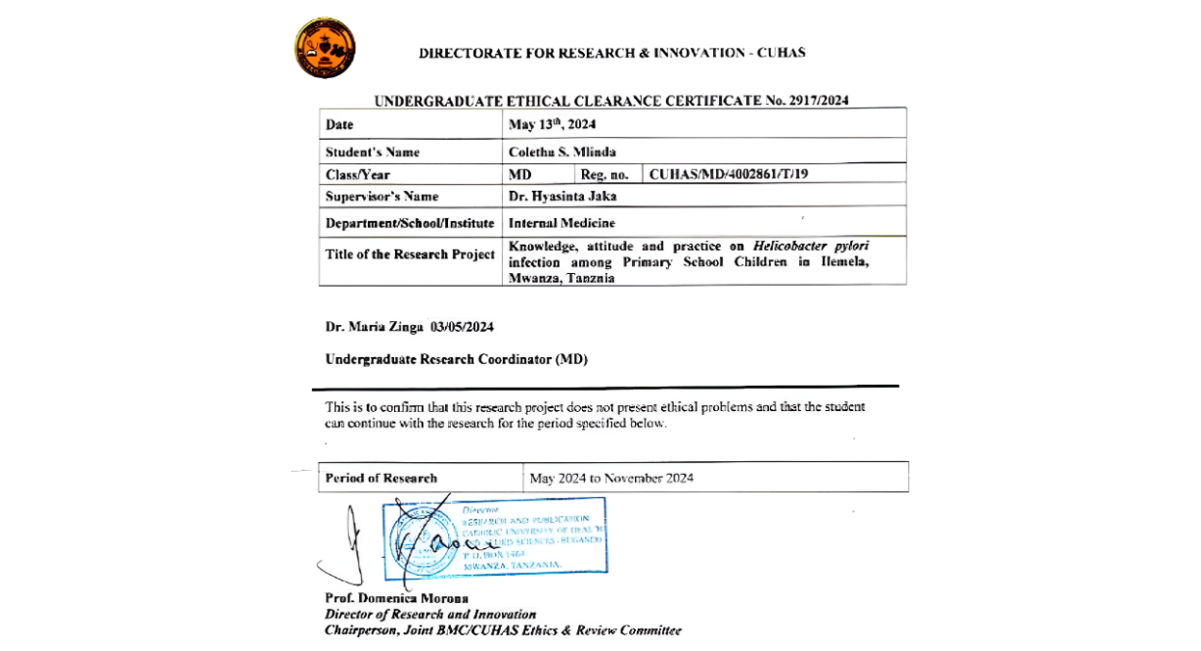
Ethical clearance to carry out this study was sought from Joint Catholic University of Health and Allied Sciences and Bugando Medical Centre (CUHAS-BMC) research and ethical committee numbered CRECU/2917/2024. To gain access to the study population permission was sought from Municipal executive director and Municipal primary schools education officer then head of school of Nyasaka, Kilimani and Muungano primary schools were informed. Informed consent was sought from study participants’ parents/guardians for those aged below 18 years and those 18 years consent themselves and information obtained was kept confidential and no names were indicated to specific information.
RESULTS
Socio-Demographic Information
This study recruited a total of 285 primary school students from Nyasaka, Muungano and Kilimani, 95 students from each of the schools which gave a response rate of 100%. The age of the study participants ranged from 10 to 15 years with a mean age of 11.87 ± 1.14. Majority of the study participants, 159 (41.4%) had an age range of 11 to 14. About 37% of the participants were in grade 7 as shown in table 1.
11.87 ± 1.14. Majority of the study participants, 159 (41.4%) had an age range of 11 to 14. About 37% of the participants were in grade 7 as shown in table 1.
|
VARIABLES |
MEAN ± SD |
||
|
Age |
11.87 ± 1.14 |
||
|
Categories |
Frequency |
Percentage (%) |
|
|
School |
Kilimani |
95 |
33.3 |
|
Nyasaka |
95 |
33.3 |
|
|
Muungano |
95 |
33.3 |
|
|
Sex |
Male |
155 |
54.4 |
|
Female |
130 |
45.6 |
|
|
Grade |
5 |
85 |
29.8 |
|
6 |
94 |
33 |
|
|
7 |
106 |
37.2 |
|
Table 1 : Socio-demographic characteristics
Knowledge About Helicobacter Pylori Infection
Regarding the information concerning H. pylori infection, majority 223/285(78.2%) of the study participants obtained the information from health care providers (HCP). About 73% of the study participants knew that H. pylori is a microorganism. About 272/285(95%) of the participants responded that the digestive system was one affected by H. pylori and about 283/285(99% ) of the participants responded that hospital antibiotics are effective for H. pylori treatment as shown in table2.
|
PARTICULARS |
CATEGORIES |
FREQUENCY |
PERCENTAGE (%) |
|
Source about H. pylori |
School |
9 |
3.2 |
|
Television |
34 |
12 |
|
|
Radio |
15 |
5.3 |
|
|
HCP |
223 |
78 |
|
|
Others |
4 |
1.4 |
|
|
What is H. pylori? |
Microorganism |
209 |
73 |
|
Worm |
6 |
2.1 |
|
|
Insect |
70 |
25 |
|
|
System of the body affected by H. pylori |
Digestive |
272 |
95 |
|
Respiratory |
5 |
1.8 |
|
|
Reproductive |
8 |
2.8 |
|
|
Treatment of H. pylori |
Hospital antibiotics |
283 |
99 |
|
Herbal medicines |
1 |
0.4 |
|
|
Without medication |
1 |
0.4 |
Table 2 : Knowledge on H. pylori infection
Knowledge on Modes of Transmission of Helicobacter Pylori
Based on the assessment on modes of transmission of Helicobacter Pylori among students, about 99% of the participants knew fecal-oral route was one of the modes of transmission. However, the majority, 83.5% and 89.1% of the participants disagreed that blood and air are not among the modes of transmission of Helicobacter Pylori respectively as shown in the figure.
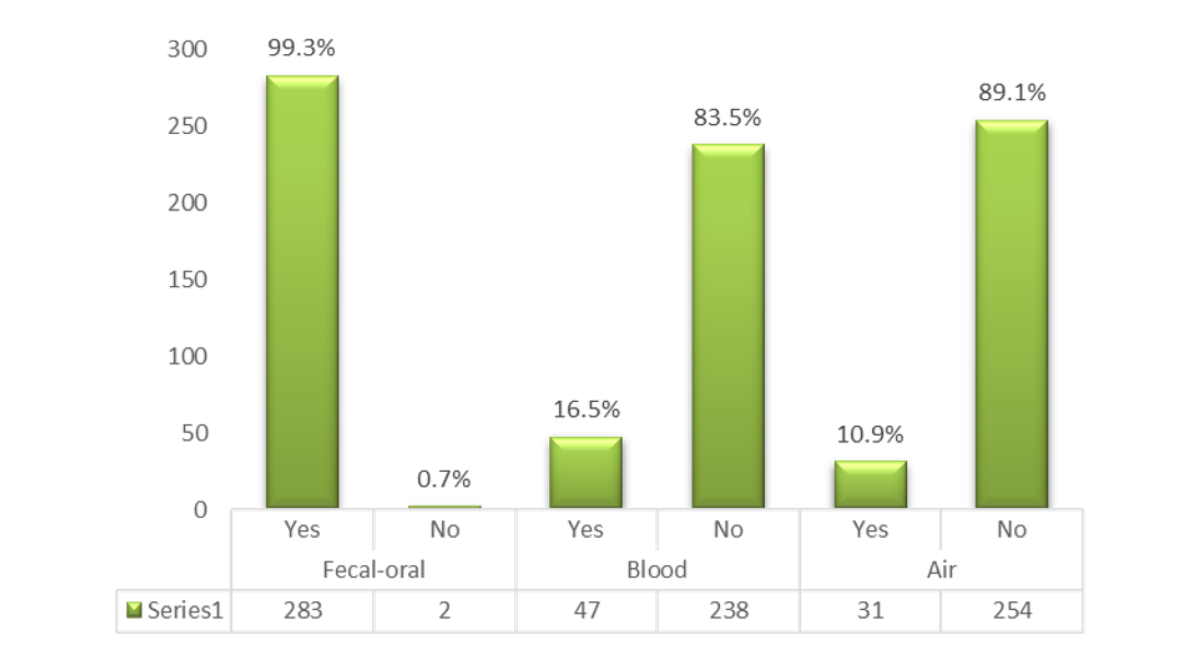
Figure 1: Modes of transmission of H. pylori
Knowledge on Risk Factors for Contacting Helicobacter Pylori
Based on the assessment on knowledge on the risk factors for contacting Helicobacter Pylori among students, about 95% of the participants knew low socio-economic status was one of the risk factors for contacting Helicobacter Pylori. In addition to that, the majority, 92.6%, 95.4% and 95.8% of the participants agreed that poor hygiene, being in overcrowded places and using of unclean water were among the risk factors for contacting Helicobacter Pylori respectively as shown in figure 2.
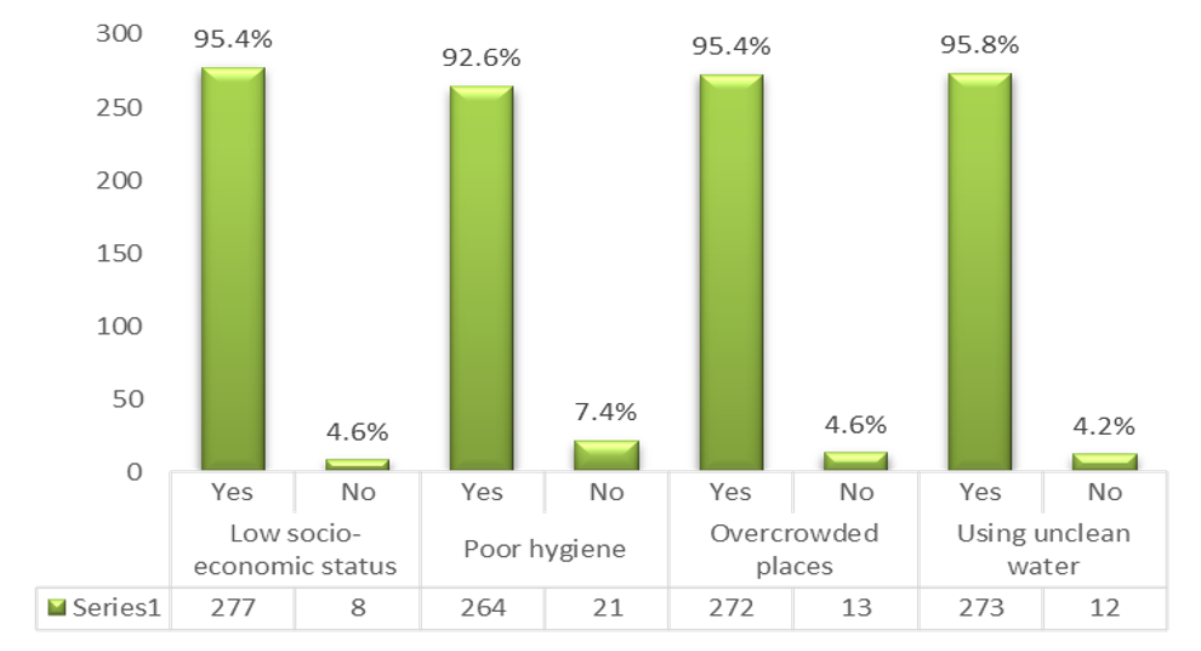
Figure 2: Risk factors for H. pylori infection
Knowledge on Symptoms Developed by Helicobacter Pylori Infection
Based on the assessment on knowledge on symptoms developed by Helicobacter Pylori infection, about 90% of the participants knew heartburn was one of the symptoms. On top of that, the majority, 64.9%, 96.8% and 94% of the participants knew that nausea and vomiting, abdominal pain and flatulence were among the symptoms of Helicobacter Pylori infection as shown in figure 3.
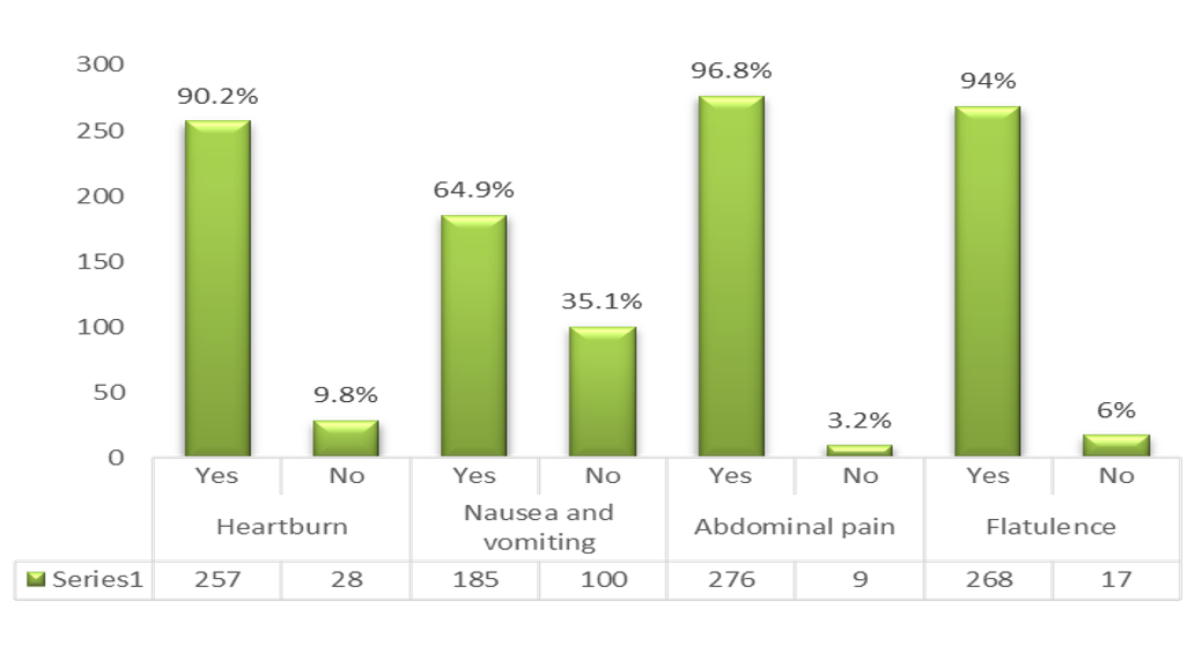
Figure 3: Symptoms of H. pylori infection
Knowledge on Complications Developed from Helicobacter Pylori Infection
Regarding the knowledge on complications developed by Helicobacter Pylori infection, about 95%, 96% and 94% of the study participants knew inflammation of the stomach lining, peptic ulcers and gastric cancer were among the complications developed by Helicobacter Pylori infection respectively as shown in the figure.
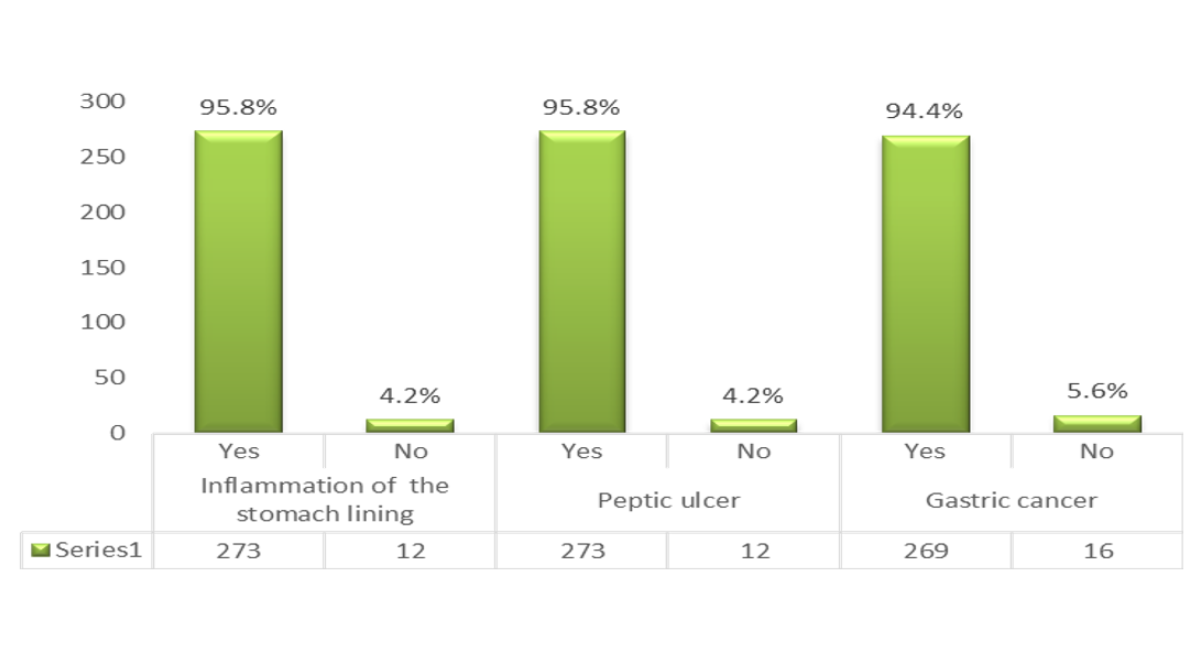
Figure 4: Complications of H. pylori infection
Knowledge on Helicobacter Pylori Infection Prevention
Regarding the knowledge on Helicobacter Pylori infection prevention, about 99%, 98%, 98, and 95% of the study participants knew washing hands with clean water and soap after toilet, washing hands before eating, drinking clean water and avoiding overcrowded places where the ways to prevent Helicobacter Pylori infection respectively as shown in table 5.
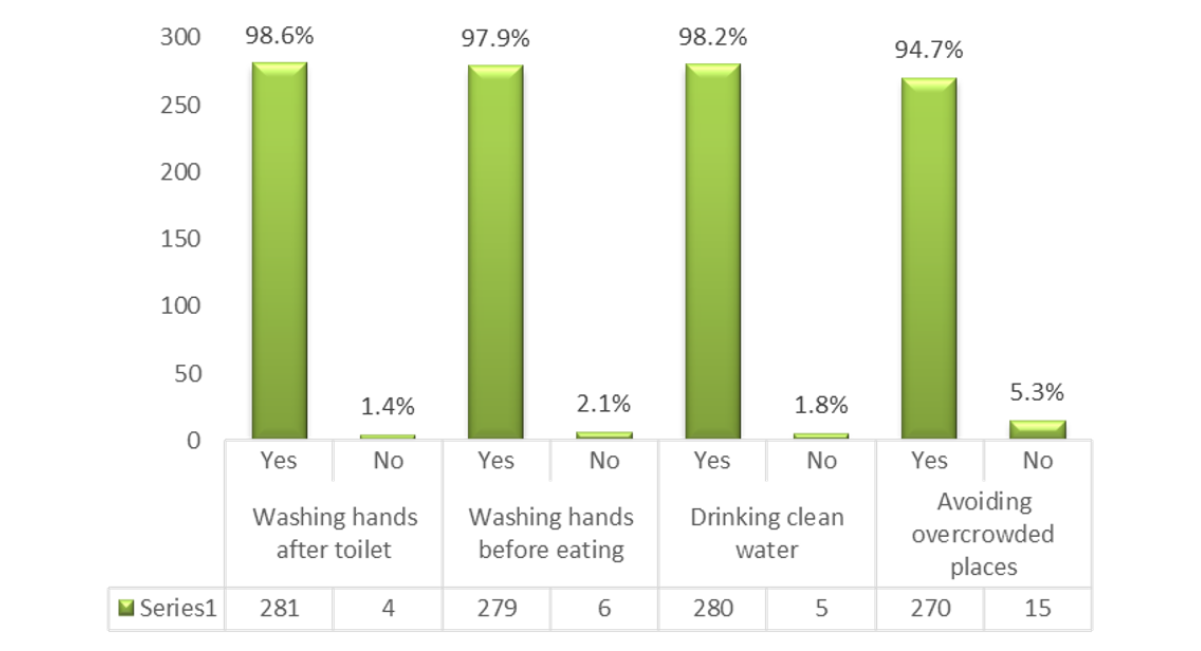
Figure 5: Knowledge on H. pylori infection prevention
Overall knowledge on Helicobacter Pylori Infection
The study showed that 88.4% (252) participants had good knowledge regarding H.pylori infection, 11.2% (32) participants had moderate knowledge and 0.4% (1) participant had poor knowledge as shown on figure below figure 6
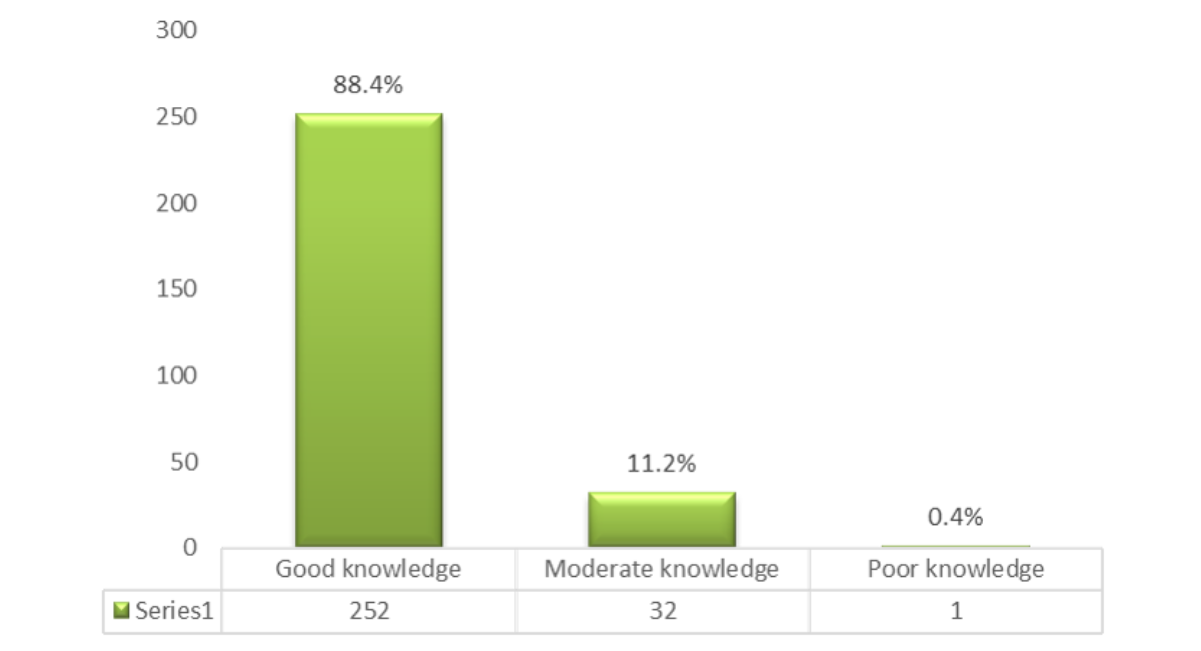
Figure 6: Overall knowledge on H. pylori infection
Attitude on Helicobacter Pylori Infection
Regarding the attitude of the study participants on H. pylori infection prevention, about 73% of the participants believed that they were at very high risk of contracting H. pylori. About 74% of the participants strongly agreed that H. pylori infection can be prevented. On top of that, about 72% of the participants strongly agreed that, addressing the risk factors for contacting H. pylori would prevent infection and reduce its incidence. However, about 78% of the participants believed that they had a very high understanding on H. pylori infection in comparison to their peers as shown in table.
|
PARTICULARS |
CATEGORIES |
FREQUENCY |
PERCENTAGE (%) |
|
Risk for contacting H. pylori |
Very low |
6 |
2.1 |
|
Low |
3 |
1.1 |
|
|
Average |
18 |
6.3 |
|
|
High |
49 |
17.2 |
|
|
Very high |
209 |
73.3 |
|
|
Believe H. pylori can be prevented |
Strongly disagree |
4 |
1.4 |
|
Disagree |
6 |
2.1 |
|
|
Indifferent |
10 |
3.5 |
|
|
Agree |
55 |
19.3 |
|
|
Strongly agree |
210 |
73.7 |
|
|
Addressing risk factors is best way for prevention |
Strongly disagree |
10 |
3.5 |
|
Disagree |
6 |
2.1 |
|
|
Indifferent |
2 |
7 |
|
|
Agree |
62 |
21.8 |
|
|
Strongly agree |
205 |
71.9 |
|
|
Grading your understanding compared to your peers |
Very low |
3 |
1.1 |
|
Low |
1 |
0.4 |
|
|
Same |
18 |
6.3 |
|
|
High |
40 |
14 |
|
|
Very high |
223 |
78.2 |
Table 3: Attitude of the participants on H. pylori infection
Overall attitude on Helicobacter pylori infection
The study showed that 67.4% (192) of participants had positive attitude regarding H.pylori while 32.6% (93) of participants had negative attitude as shown in figure below
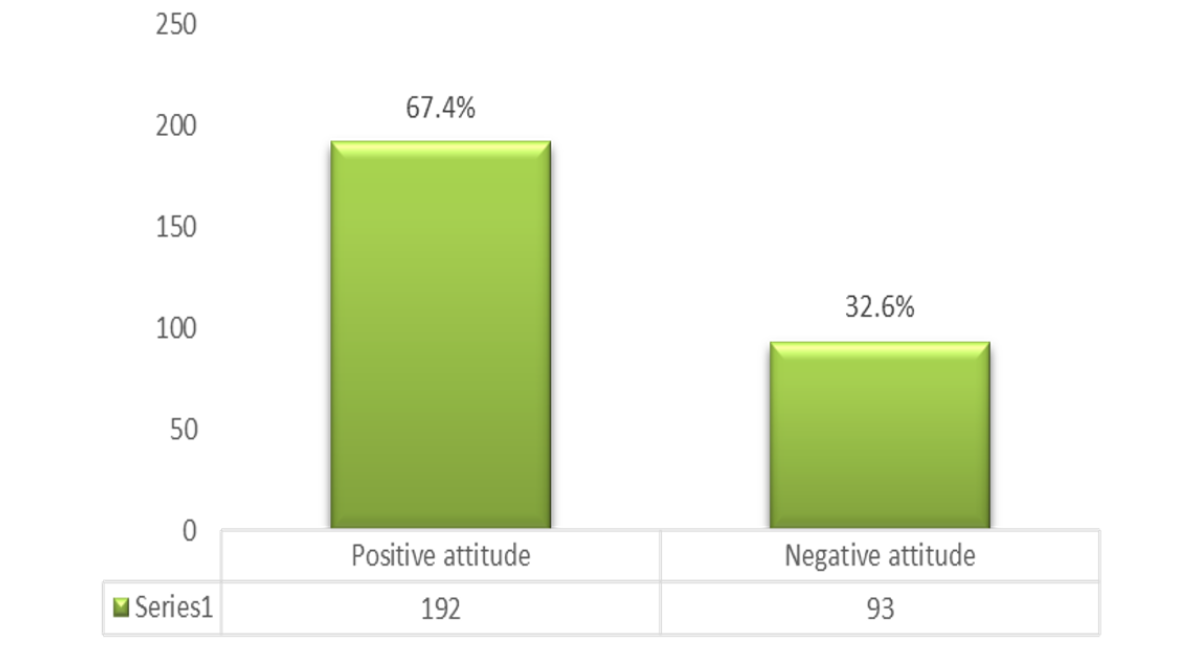
Figure 6: Overall attitude on H.pylori infection
Practice Towards Helicobacter Pylori Infection Prevention
Regarding the practice towards H. pylori infection prevention, about 94% of the participants considered handwashing as a preventive method in contacting H. pylori. About 99% of the participants had regarded adherence to dietic hygiene is a way to reduce the way to reduce the incidence of H. pylori. About 88% of the participants had practiced boiling of drinking water so as to prevent H. pylori infection as shown in table 4.
|
PARTICULARS |
CATEGORIES |
FREQUENCY |
PERCENTAGE (%) |
|
Considered handwashing as preventive method |
Yes |
268 |
94 |
|
No |
17 |
6 |
|
|
Adherence to dietic hygiene |
Yes |
283 |
99.3 |
|
No |
2 |
0.7 |
|
|
Ever boiled drinking water |
Yes |
252 |
88.4 |
|
No |
33 |
11.6 |
Table 4: Practice on H. pylori infection prevention
Overall participants’ practice on Helicobacter pylori prevention
The study showed 96.8% (276) of participants had good practice and 3.2% (9) of participants had poor practice as shown on figure 8
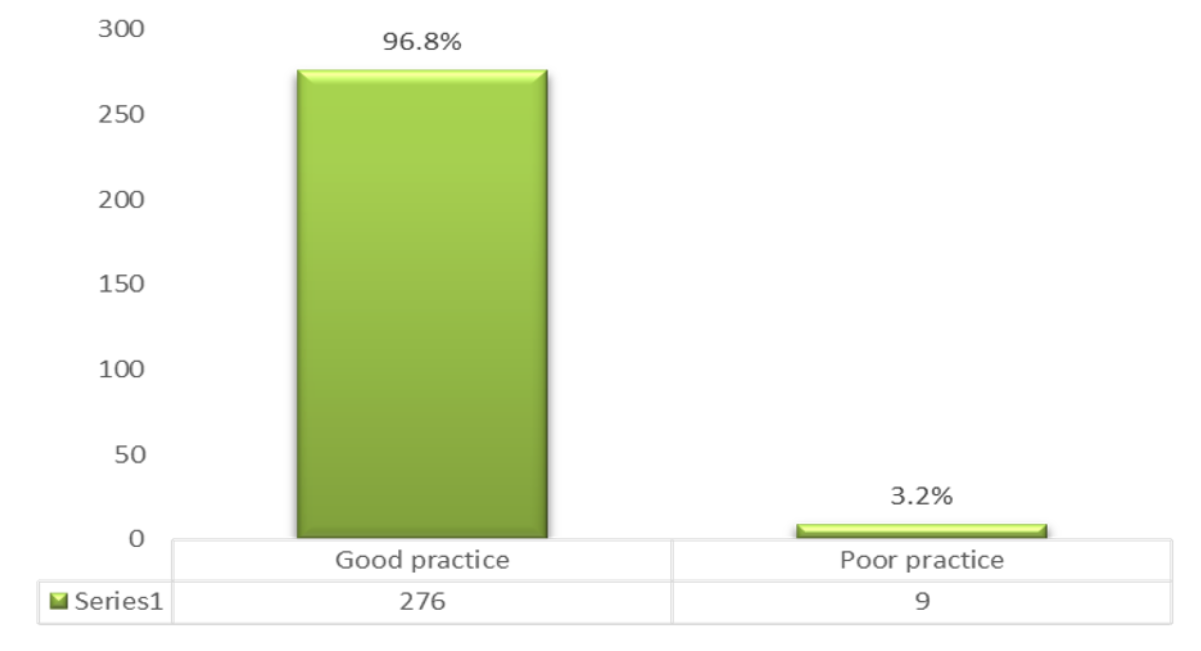
Figure 7: Overall participants’ practice on H. pylori prevention
Factors Associated with knowledge on Helicobacter pylori Infection
Various factors have association with knowledge on H.pylori infection including attitude, practice, school, sex, grade and source of knowledge however only school factor showed to have significant association. As shown on table below *-significant association
|
KNOWLEDGE |
|||||||
|
Poor |
Moderate |
Good |
Chi-square value |
P value |
|||
|
Attitude |
Positive |
0 |
19 |
173 |
3.2 |
0.2 |
|
|
Negative |
1 |
13 |
79 |
||||
|
Practice |
Poor |
0 |
0 |
9 |
1.2 |
0.5 |
|
|
Good |
1 |
32 |
243 |
||||
|
School |
Kilimani |
1 |
3 |
91 |
26.4 |
<0.05* |
|
|
Muungano |
0 |
23 |
72 |
||||
|
Nyasaka |
0 |
6 |
89 |
||||
|
Sex |
Male |
1 |
16 |
138 |
1.1 |
0.6 |
|
|
Female |
0 |
16 |
114 |
||||
|
Grade |
5 |
1 |
12 |
72 |
3.8 |
0.4 |
|
|
6 |
0 |
8 |
86 |
||||
|
7 |
0 |
12 |
94 |
||||
|
Source of knowledge |
School |
0 |
1 |
8 |
6.5 |
0.5 |
|
|
Television |
0 |
6 |
28 |
||||
|
Radio |
0 |
4 |
11 |
||||
|
HCP |
1 |
21 |
201 |
||||
|
Others |
0 |
0 |
4 |
||||
Table 5: Factors associated with knowledge on H.pylori infection
DISCUSSION
Knowledge on Helicobacter Pylori Infection
Understanding the public’s knowledge, attitude and practice on H. pylori infection prevention is essential for developing and executing effective preventative and management strategies. This cross-sectional study was carried out to determine primary school students' knowledge on transmission, prevention, and associated morbidity along with attitude and practice towards H. pylori infection prevention.
This study recruited a total of 285 primary school students from Nyasaka, Muungano and Kilimani, 95 students from each of the schools which gave a response rate of 100%. The age of the study participants ranged from 10 to 15 years with a mean age of 11.87 ± 1.14. Majority of the study participants, 159 (41.4%) had an age range of 11 to 14. About 37% of the participants were in grade 7.
The students’ overall knowledge level was excellent, the study showed that 88.4%(252) participants had good knowledge regarding H.pylori infection, 11.2%(32) participants had moderate knowledge and 0.4%(1) participant had poor knowledge these results were higher compared to the study done in Saudi Arabia which showed population knowledge of 80.1%(43) On assessment on modes of transmission 99% of the participants knew fecal-oral route as one of the modes of transmission this finding was higher compared to the study done in Korea by Shin et al as only, 31.1% of participants responded “yes,” 12.6% responded “no,” and 49.5% responded “do not know” when asked whether oral transmission of H.pylori among family members [17].
On assessment on risk factors for H.pylori 95% of the participants knew low socio-economic status was one of the risk factors for contracting Helicobacter pylori. In addition to that, the majority, 92.6%, 95.4% and 95.8% of the participants agreed that poor hygiene, being in overcrowded places and using of unclean water were among the risk factors for contacting Helicobacter pylori respectively, these findings were higher compared to the study in Canada by Wynne et al in which When asked how people can acquire the infection, only 26% of participants mentioned water, [16] also in a study by Chen et al only 23.8% of respondents correctly answered that H. pylori can be contracted from unsafe food preparation and water sources [14]. Based on the assessment on knowledge on symptoms developed by Helicobacter pylori infection, about 90% of the participants knew heartburn was one of the symptoms also 64.9%, 96.8% and 94% of the participants knew that nausea and vomiting, abdominal pain and flatulence were among the symptoms of Helicobacter pylori respectively
Regarding the knowledge on complications developed by Helicobacter Pylori infection, about 95%, 96% and 94% of the study participants knew inflammation of the stomach lining, peptic ulcers and gastric cancer were among the complications developed by Helicobacter pylori infection respectively these proportions were higher compared to a study from Korea where 58.3% of respondents answered “yes,” that H. pylori is known to cause gastric cancer also another study in same setting asked if H.pylori can cause gastric or duodenal ulcers; 60.8% answered “yes,” [17].
Regarding the knowledge on Helicobacter Pylori infection prevention, about 99%, 98%, 98, and 95% of the study participants knew washing hands with clean water and soap after toilet, washing hands before eating, drinking clean water and avoiding overcrowded places were the ways to prevent Helicobacter Pylori infection respectively these findings differ from the ones obtained in studies aimed at ascertaining level of knowledge regarding H.pylori infection as highlighted by six studies which reported on H. pylori knowledge Chen et al, Xia et al, Oh et al, Shin et al, CDC study on knowledge about causes of PUD in united states 1997 and Wynne et al. General knowledge about H. pylori was poor across all studies [14-19].
Attitudes Towards Helicobacter Pylori Infection
On the assessment regarding their attitude regarding H.pylori prevention, the study showed that 67.4%(192) of participants had positive attitude regarding H.pylori prevention while 32.6%(93) of participants had negative attitude the findings are higher compared to the ones obtained from the study done in Saudi Arabia whereby 51.2% of participants did not even know that H.pylori can be transmitted thus had negative attitude regarding its prevention [23]. About 73% of the participants believed that they were at very high risk of contracting H. pylori these findings differ from the ones obtained from the study by Shin et al in which it was found that most people viewed their own risk of contracting H.pylori as “same” or “lower” when compared with people of same age and gender [17]. A 74% of the participants strongly agreed that H. pylori infection can be prevented. On top of that, about 72% of the participants strongly agreed that, addressing the risk factors for contracting H. pylori would prevent infection and reduce its incidence. However, about 78% of the participants believed that they had a very high understanding on H. pylori infection in comparison to their peers.
Practices and Information Sources on Helicobacter pylori Infection
On assessment on practices regarding H.pylori prevention, the study showed 96.8% (276) of participants had good practice and 3.2% (9) of participants had poor practice the findings are higher compared to the study done in Saudi Arabia where by 71.4% of participants did not know that washing hands after using the toilet have a negative association with H.pylori. About 94% of the participants considered handwashing as a preventive method in contracting H.pylori about 99% of the participants had regarded adherence to dietic hygiene is a way to reduce the incidence of H.pylori about 88% of the participants had practiced boiling of drinking water so as to prevent H.pylori infection these findings correlates to the findings from seven studies that asked questions related to H.pylori prevention practices ,these studies has found that generally, good hand washing practices after using the toilet and before eating/preparing meal, safe food practices, and drinking water from a clean source were associated with less H.pylori infection [14-22].
Regarding the information concerning H.pylori infection, majority (78.2%) of the study participants obtained the information from health care providers (HCP). About 73% of the study participants knew that H.pylori is a microorganism. About 95% of the participants responded that the digestive system was one affected by H.pylori and about 99% of the participants responded that hospital antibiotics are effective for H.pylori treatment
In this study, the knowledge, practice and attitude levels of students cannot be solely attributed to their grades (classes). In addition, the knowledge level difference between the two genders cannot be ensured yet with these disparities in the number of respondents. Moreover, there was a study conducted in Al-Ahsa demonstrated that there was no significant difference between females' and males’ knowledge levels regarding H. pylori [24]. Regarding the other demographic characteristics of the participants in this study, only school showed a significant association to the level of knowledge (P-value < 0.05).
STUDY LIMITATIONS
One of the limitations of this study is that random sampling method was applied therefore, the recruitment of the respondents was based on the accessibility and availability of the participants which might lead to sampling bias. Moreover, this study did not inquire about participants’ previous history of having H. pylori infection, which could potentially affect the findings as individuals with previous H. pylori infection who experienced the symptoms and consulted healthcare professionals could obtain information regarding the infection. Also there are no studies done in Ilemela on knowledge, attitude and practice on H.pylori infection hence limited data for comparison.
RECOMMENDATIONS
Indeed, further studies should be done while considering exploring these aspects namely knowledge, attitude and practices on H. pylori with an extensive sample size to provide a more comprehensive understanding of the factors affecting knowledge, attitude and practice on H. pylori infection especially among primary school children. In addition, health promotion campaigns regarding H. pylori should be done to ensure a vast majority of people have a keen understanding of it so as to reduce its prevalence and possible complications from it.
CONCLUSION
The study highlighted that most participants had a good knowledge, practices and positive attitude regarding H. pylori infection and its prevention. The correct scores on questions regarding knowledge, attitude and practices on H.pylori infection are greatly attributed to participants’ history of having received health promotion regarding H.pylori from various sources with health care provider being top on the list.
AUTHOR CONTRIBUTION
Coletha S. Mlinda: Conceptualization, data collection, analysis, interpretation, manuscript writing and journal submission
Allen Rweyendera: Data collection, assemblage, analysis and interpretation
Hyasinta Jaka: Reviewed the manuscript and Supervision
DECLARATION
ETHICAL APPROVAL
This study involved three primary schools (Nyasaka, Kilimani and Muungano primary schools) thus the ethical approval was provided by the CUHAS Bugando ethical committee board to conduct this study in Mwanza, Tanzania so the study was numbered CRECU/2917/2024. All the participant had a consent to sign for the participation in the study which made them to make an informed decision.
FUNDING
No fund was provided.
AVAILABILITY OF DATA AND MATERIALS
Data can be shared upon requesting
CONSENT FOR PUBLICATION
All authors under this study agreed and consent for the publication of this information to the public. But also, the BCREC consent for the publication.
REFERENCES
- Namyalo E, Nyakarahuka L, Afayoa M, Baziira J, Tamale A, Atuhaire GC, et.al Kungu JM. Prevalence of Helicobacter pylori among patients with gastrointestinal tract (GIT) symptoms: A retrospective study at selected Africa air rescue (AAR) clinics in Kampala, Uganda, from 2015 to 2019. Journal of tropical medicine. 2021;2021(1):9935142. [Crossref] [Google Scholar] [PubMed]
- Khalifa MM, Sharaf RR, Aziz RK. Helicobacter pylori: a poor man's gut pathogen? Gut pathogens. 2010 Mar 31;2(1):2. [Crossref] [Google Scholar] [PubMed]
- Asombang AW, Kelly P. Gastric cancer in Africa: what do we know about incidence and risk factors?. Transactions of the Royal Society of Tropical Medicine and Hygiene. 2012 Feb 1;106(2):69-74. [Crossref] [Google Scholar] [PubMed]
- Ayana SM, Swai B, Maro VP, Kibiki GS. Upper gastrointestinal endoscopic findings and prevalence of Helicobacter pylori infection among adult patients with dyspepsia in northern Tanzania. Tanzan J Health Res. 2014 Jan;16(1):16-22. doi: 10.4314/thrb.v16i1.3. PMID: 26867268. [Crossref] [Google Scholar] [PubMed]
- Mbulaiteye SM, Hisada M, El-Omar EM. Helicobacter pylori associated global gastric cancer burden. Frontiers in bioscience: a journal and virtual library. 2009 Jan 1;14:1490. [Crossref] [Google Scholar] [PubMed]
- Borka Balas R, Meliț LE, Mărginean CO. Worldwide prevalence and risk factors of Helicobacter pylori infection in children. Children. 2022 Sep 6;9(9):1359. [Crossref] [Google Scholar] [PubMed]
- Egan BJ, Holmes K, O’Connor HJ, O'Morain CA. Helicobacter pylori gastritis, the unifying concept for gastric diseases. Helicobacter. 2007; 12:39-44. [Crossref] [Google Scholar] [PubMed]
- Malnick SD, Melzer E, Attali M, Duek G, Yahav J. Helicobacter pylori: friend or foe?. World journal of gastroenterology: WJG. 2014 Jul 21;20(27):8979. [Crossref] [Google Scholar] [PubMed]
- Suvak B, Dulger AC, Suvak O, Aytemiz E, Kemik O. The prevalence of helicobacter pylori among dyspeptic patients in an earthquake-stricken area. 2015;70:69-72. [Crossref] [Google Scholar] [PubMed]
- Malek AI, Abdelbagi M, Odeh L, Alotaibi AT, Alfardan MH, Barqawi HJ. Knowledge, attitudes and practices of adults in the United Arab Emirates regarding Helicobacter pylori induced gastric ulcers and cancers. Asian Pacific journal of cancer prevention: APJCP. 2021 May;22(5):1645. [Crossref] [Google Scholar] [PubMed]
- Schacher K, Spotts H, Correia C, Walelign S, Tesfaye M, Desta K, Tsegaye A, Taye B. Individual and household correlates of Helicobacter pylori infection among Young Ethiopian children in Ziway, Central Ethiopia. BMC infectious diseases. 2020 Apr 25;20(1):310. [Crossref] [Google Scholar] [PubMed]
- Kimang'a AN, Revathi G, Kariuki S, Sayed S, Devani S. Helicobacter pylori: prevalence and antibiotic susceptibility among Kenyans. South African Medical Journal. 2010 Jan 1;100(1):53-7. [Google Scholar] [PubMed]
- Hestvik E, Tylleskar T, Kaddu-Mulindwa DH, Ndeezi G, Grahnquist L, Olafsdottir E, Tumwine JK. Helicobacter pylori in apparently healthy children aged 0-12 years in urban Kampala, Uganda: a community-based cross sectional survey. BMC gastroenterology. 2010 Jun 16;10(1):62. [Crossref] [Google Scholar] [PubMed]
- Chen SY, Liu TS, Fan XM, Dong L, Fang GT, Tu CT, Gu XY, Wang JY. Epidemiological study of Helicobacter pylori infection and its risk factors in Shanghai. Zhonghua yi xue za zhi. 2005 Mar 1;85(12):802-6. [Google Scholar] [PubMed]
- Xia P, Ma MF, Wang W. Status of Helicobacter pylori infection among migrant workers in Shijiazhuang, China. Asian Pacific Journal of Cancer Prevention. 2012;13(4):1167-70. [Crossref] [Google Scholar] [PubMed]
- Wynne A, Hastings EV, Colquhoun A, Chang HJ, Goodman KJ. Untreated water and Helicobacter pylori: perceptions and behaviors in a Northern Canadian community. Circumpolar Health Supplements. 2013;72:704. [Google Scholar]
- Shin DW, Cho J, Kim SH, Kim YJ, Choi HC, Son KY et.al Park SM, Park JH, Park MS, Cho B. Preferences for the “screen and treat” strategy of Helicobacter pylori to prevent gastric cancer in healthy Korean populations. 2013 Aug;18(4):262-9. [Crossref] [Google Scholar] [PubMed]
- Oh DY, Choi KS, Shin HR, Bang YJ. Public awareness of gastric cancer risk factors and disease screening in a high risk region: a population-based study. Cancer research and treatment: official journal of Korean Cancer Association. 2009 Jun 30;41(2):59-66. [Crossref] [Google Scholar] [PubMed]
- Centers for Disease Control and Prevention (CDC. Knowledge about causes of peptic ulcer disease--United States, March-April 1997. MMWR. Morbidity and mortality weekly report. 1997 Oct 24;46(42):985-7. [Google Scholar] [PubMed]
- Abebaw W, Kibret M, Abera B. Prevalence and risk factors of H. pylori from dyspeptic patients in northwest Ethiopia: a hospital based cross-sectional study. Asian Pacific Journal of Cancer Prevention. 2014;15(11):4459-63. [Crossref] [Google Scholar] [PubMed]
- Ahmed KS, Khan AA, Ahmed I, Tiwari SK, Habeeb A, Ahi JD, Abid Z, Ahmed N, Habibullah CM. Impact of household hygiene and water source on the prevalence and transmission of Helicobacter pylori: a South Indian perspective. Singapore medical journal. 2007 Jun 1;48(6):543-9. [Google Scholar] [PubMed]
- Lee YY, Ismail AW, Mustaffa N, Musa KI, Majid NA, Choo KE, Mahendra Raj S, Derakhshan MH, Malaty HM, Graham DY. Sociocultural and dietary practices among Malay subjects in the north‐eastern region of Peninsular Malaysia: a region of low prevalence of Helicobacter pylori infection. 2012 Feb;17(1):54-61. [Crossref] [Google Scholar] [PubMed]
- Eltayeb LB. Milestones of knowledge attitude and practice among saudi population at risk towards helicobacter pylori infection. Biomedical and Pharmacology Journal. 2022 Mar 31;15(1):379-86. [Google Scholar]
- Al Ghadeer HA, Al Sahlawi M, Al Shaikh SB, Al Sultan SM, Al Ghannam ZM, Buawadh HS, Al-Rabia ZH, Al-Ghanim ME. Public awareness and attitude towards Helicobacter pylori infection in Alahsa, Saudi Arabia. Med Sci. 2021;25(116):2469-76. [Google Scholar]