About the Journal
Overview
Journal of Pediatric and Neonatal Sciences is an international, peer-reviewed, open-access journal dedicated to publishing high-quality research, reviews, and clinical studies focused on the health, growth, and development of neonates, infants, children, and adolescents. The journal provides a global platform for pediatricians, neonatologists, scientists, and healthcare professionals to share knowledge and advance innovations in pediatric and neonatal care.
The journal covers a broad range of topics including neonatal physiology, neonatal intensive care, pediatric diseases, congenital anomalies, genetic and metabolic disorders, immunization, pediatric nutrition, maternal–fetal medicine, and childhood development. It welcomes original research articles, review papers, case reports, short communications, and clinical studies that contribute to evidence-based practice and improved patient outcomes.
The Journal of Pediatric and Neonatal Sciences also encourages submissions addressing global child health challenges, public health initiatives, preventive medicine, and community-based care for vulnerable pediatric populations.
Our editorial board consists of experienced experts across diverse pediatric and neonatal specialties, ensuring a transparent, rigorous, and unbiased peer-review process. Each manuscript is evaluated for scientific quality, originality, and relevance. The journal is committed to supporting clinicians and researchers by disseminating timely, accessible, and impactful research. All published articles are freely available online, promoting global visibility and knowledge exchange to advance pediatric and neonatal healthcare worldwide.
Aim and Scope
The Journal of Pediatric and Neonatal Sciences is an international, peer-reviewed, open-access journal committed to advancing knowledge and promoting high-quality research in the fields of pediatric and neonatal medicine. The journal provides a multidisciplinary platform for researchers, clinicians, and healthcare professionals to share recent developments, clinical innovations, and scientific discoveries that enhance the health and well-being of infants, children, and adolescents.
The scope of the journal covers a broad range of topics, including but not limited to:
Neonatology & Pediatric Medicine
- Growth, development, and physiology of neonates, infants, and children
- Clinical management of preterm, low-birth-weight, and critically ill neonates
- Pediatric intensive care, neonatal resuscitation, and early life interventions
Pediatric Diseases & Disorders
- Congenital anomalies, genetic disorders, and metabolic diseases in children
- Infectious diseases, immunization, and pediatric infectious epidemiology
- Chronic conditions including asthma, diabetes, and pediatric oncology
Neonatal & Pediatric Nutrition
- Breastfeeding, formula feeding, and complementary nutrition strategies
- Nutritional interventions for growth, development, and disease prevention
- Malnutrition, micronutrient deficiencies, and obesity in children
Developmental & Behavioral Pediatrics
- Neurodevelopmental assessment, early intervention, and cognitive development
- Behavioral disorders, autism spectrum disorders, and mental health in children
- Family-centered care and psychosocial support for pediatric patients
Pediatric Surgery & Interventions
- Neonatal and pediatric surgical techniques, minimally invasive surgery
- Pediatric anesthesiology, perioperative care, and post-surgical recovery
- Innovations in pediatric therapeutic devices and surgical tools
Translational & Pediatric Research
- Molecular biology, genomics, and epigenetics in pediatric health
- Biomarkers, diagnostics, and therapeutic targets in neonates and children
- Clinical trials, evidence-based pediatric care, and personalized medicine
Public Health & Policy in Pediatrics
- Epidemiology of childhood diseases and preventive health strategies
- Health policy, vaccination programs, and pediatric healthcare systems
- Ethical, social, and legal aspects of pediatric and neonatal care
Neonatology & Pediatric Medicine
- Growth, development, and physiology of neonates, infants, and children
- Clinical management of preterm, low-birth-weight, and critically ill neonates
- Pediatric intensive care, neonatal resuscitation, and stabilization protocols
- Respiratory support, cardiovascular monitoring, and neurological assessment in neonates
- Early intervention strategies for at-risk infants and pediatric populations
Pediatric Diseases & Disorders
- Congenital anomalies, genetic disorders, and metabolic diseases in children
- Infectious diseases, immunization, and pediatric infectious epidemiology
- Chronic conditions including asthma, diabetes, pediatric obesity, and oncology
- Autoimmune, hematological, and rare pediatric disorders
- Early diagnosis, disease progression, and management strategies in children
Neonatal & Pediatric Nutrition
- Breastfeeding, formula feeding, and complementary nutrition strategies
- Nutritional interventions for optimal growth, cognitive development, and immunity
- Malnutrition, micronutrient deficiencies, and pediatric obesity management
- Metabolic disorders, therapeutic diets, and enteral/parenteral nutrition in neonates
- Maternal nutrition and its impact on neonatal outcomes
Developmental & Behavioral Pediatrics
- Neurodevelopmental assessment, early intervention, and cognitive development
- Behavioral disorders, ADHD, autism spectrum disorders, and mental health in children
- Language, motor, and social development in infants and toddlers
- Pediatric psychology, family-centered care, and caregiver support programs
- School readiness, learning disabilities, and educational interventions
Pediatric Surgery & Interventions
- Neonatal and pediatric surgical techniques, minimally invasive surgery
- Pediatric anesthesiology, perioperative care, and post-surgical recovery
- Pediatric cardiac, neurosurgical, and orthopedic interventions
- Innovations in therapeutic devices, catheters, and pediatric implants
- Postoperative care, pain management, and long-term follow-up in children
Translational & Pediatric Research
- Molecular biology, genomics, and epigenetics in pediatric health
- Biomarkers, diagnostics, and therapeutic targets in neonates and children
- Pediatric clinical trials, pharmacology, and drug development
- Personalized and precision medicine approaches in pediatric populations
- Stem cell therapy, regenerative medicine, and gene therapy in neonates
Public Health & Policy in Pediatrics
- Epidemiology of childhood diseases, vaccination coverage, and preventive health
- Health policy, pediatric healthcare delivery systems, and global child health initiatives
- Access to care, health disparities, and social determinants of pediatric health
- Child safety, injury prevention, and adolescent health promotion
- Ethical, legal, and societal considerations in pediatric and neonatal care
Emerging & Interdisciplinary Pediatric Topics
- Telemedicine, digital health, and AI in pediatric diagnostics and care
- Pediatric environmental health, exposure to toxins, and sustainable living
- Pediatric pharmacogenomics and novel drug delivery systems
- Integration of behavioral, nutritional, and medical interventions for holistic care
- Global health challenges, disaster preparedness, and neonatal crisis management
The journal welcomes original research articles, clinical trials, systematic reviews, case reports, short communications, and expert opinions. Special emphasis is placed on studies that bridge gaps between basic science and clinical practice, or that address pressing global challenges in child and neonatal health.
Through rigorous peer review and global dissemination, the Journal of Pediatric and Neonatal Sciences aims to support evidence-based pediatric care, encourage innovation, and foster collaboration across disciplines to improve health outcomes from the earliest stages of life.
Editorial and Peer-Review Policy
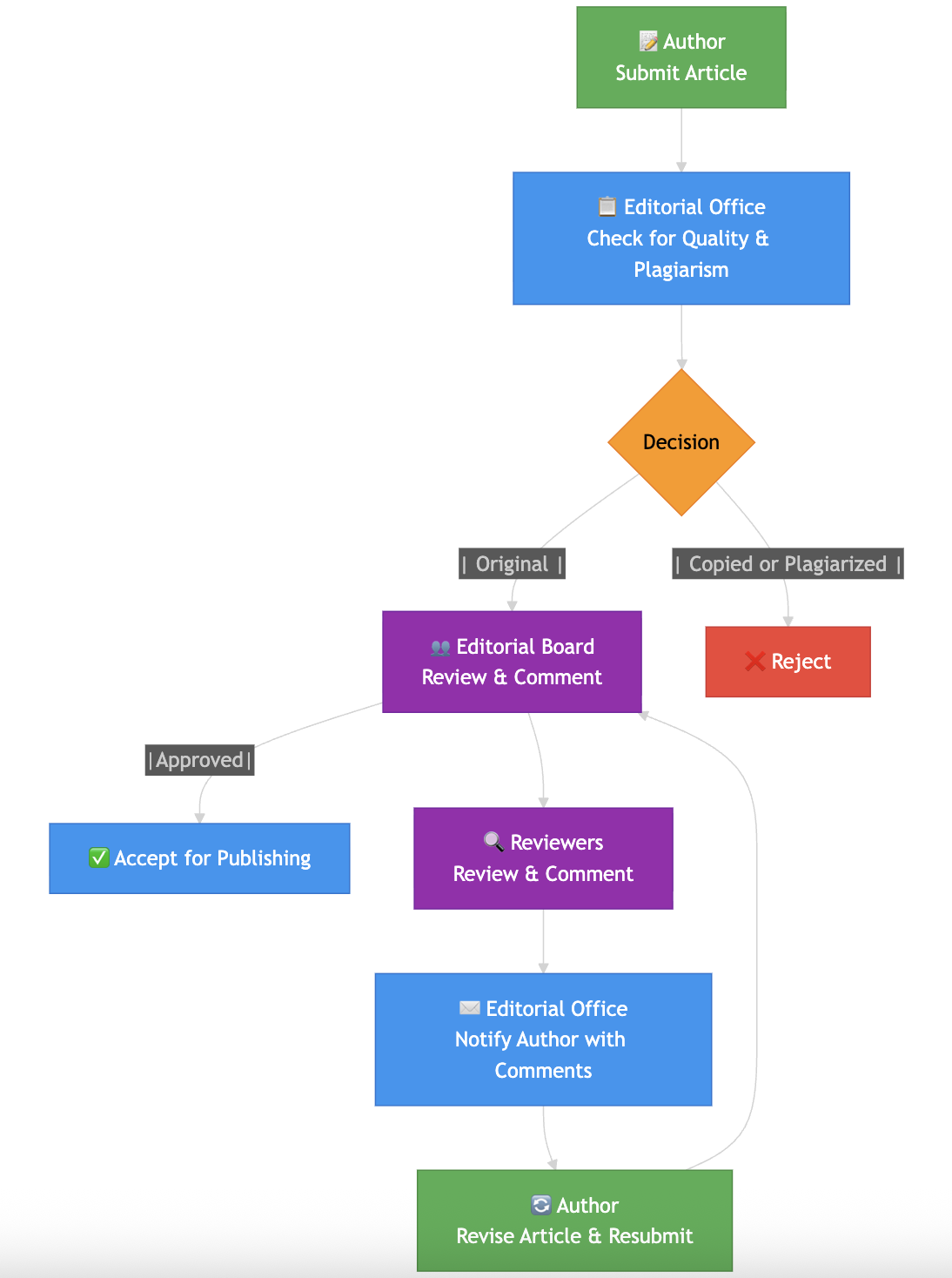
Journal of Pediatric and Neonatal Sciences adheres to a strict single-blind peer-review process to maintain the quality, integrity,
and scientific validity of all published work.
Key features include:
-
Each manuscript is reviewed by at least two independent experts in the field,
along with an academic editor.
-
Reviewers know who the authors are, but the authors remain unaware of the reviewer's
identities.
-
The evaluations emphasize scientific merit, originality, methodological rigor, ethical
compliance, and how well the work fits within the journal's scope.
-
Every submission goes through plagiarism checks and ethical compliance assessments
before the review process begins.
-
The final decision on publication is based on the reviewer's recommendations and the
editor's evaluation.
Publication Frequency & Format
This journal comes out Bi-Annual (Two issues per year). Accepted articles are
made available online in both HTML and PDF formats, ensuring that scholarly work is accessible
and disseminated promptly.
Open Access Policy
Journal of Pediatric and Neonatal Sciences operates under a fully open access model. This means all published content is freely
accessible to readers around the globe, without any subscription or paywall. Authors maintain
the copyright to their work, and the content is shared under an appropriate open-access license.
Indexing & Archiving
Journal of Pediatric and Neonatal Sciences is dedicated to upholding high standards with the goal of being included in reputable
scientific indexing and abstracting services. The journal also ensures long-term digital
preservation through recognized archives and repositories, guaranteeing permanent access and
discoverability.
Manuscript Submission
Authors are encouraged to submit their manuscripts through the journal's Online Submission
System (Submit Manuscript) or by emailing them directly to the
Editorial Office at
support@globalmeetx.com.
Manuscripts must adhere to the journal's author guidelines regarding structure, formatting,
referencing style, ethical approvals, and necessary disclosures (such as conflicts of interest
and funding).
Publication Ethics & Integrity
Journal of Pediatric and Neonatal Sciences follows internationally recognized standards for publication ethics and research integrity,
which include (but are not limited to):
- Make sure you have ethical approval.
- Ensure informed consent and guarantee confidentiality.
- Declare any conflicts of interest.
- Be transparent about data availability.
- Clarify authorship criteria and the roles of contributors.
- Conduct anti-plagiarism checks.
- Have a clear policy for retraction and correction.












 Abstract
 HTML
HTML
 PDF
PDF