Loading languages…





When Technology Meets Humanity: Humanizing EFL Classrooms through Loving Pedagogy in the Age of Artificial Intelligence
Review Article - Volume: 1, Issue: 1, 2026 (November)
 Download PDF
ABSTRACT
Objective: As Artificial Intelligence (AI) becomes increasingly integrated into English as a Foreign Language (EFL) education, it is reshaping instructional practices and classroom interaction while raising new emotional and ethical challenges for teachers. Drawing on the framework of AI-informed Loving Pedagogy, this study examines how EFL teachers cultivate empathy, care, and ethical responsibility within AI-mediated learning environments.
Methods: Using a qualitative design, the study explored the lived emotional, pedagogical, and ethical experiences of teachers who integrate AI technologies into their instructional practice. Fifteen EFL teachers from Tehran, Iran, took part in semi-structured interviews and kept reflective journals over a four-week period. Data were analyzed thematically to identify recurring patterns across participants' accounts.
Results: Thematic analysis generated three interconnected themes: (1) Relational Presence in Algorithmic Spaces, (2) Moral Ambiguity and Emotional Labor, and (3) Pedagogical Renewal through AI Partnership. The findings show that teachers deliberately adapted AI-generated interactions to preserve authenticity and emotional connection, navigated ethical uncertainty while managing the emotional demands of technological change, and increasingly came to view AI as a collaborative resource that strengthens empathy, creativity, and reflective teaching.
Conclusion: The findings suggest that technological innovation does not diminish the human dimensions of teaching when educators intentionally integrate empathy, ethical judgment, and reflective practice into AI-supported instruction. The proposed AI-informed Loving Pedagogy framework shows that affective literacy, critical AI awareness, and moral responsibility can coexist within a sustainable digital education model. The study contributes to theory and practice by offering guidance for teacher education, curriculum development, and educational policy aimed at fostering human-centered AI integration in language education.
Keywords: Loving Pedagogy; Artificial Intelligence; Digital Pedagogy; EFL Education; Empathy; Ethical Awareness; Human-Centered AI
INTRODUCTION
Artificial Intelligence (AI) has evolved rapidly enough to fundamentally reshape educational practice, changing how teachers design learning experiences, evaluate student performance, and engage with learners across diverse instructional settings [1,2]. Within English as a Foreign Language (EFL) education specifically, AI-powered technologies (intelligent writing assistants, adaptive learning environments, and conversational agents among them) have opened new possibilities for personalized instruction, immediate feedback, and more efficient teaching [3,4]. Yet this growing reliance on algorithm-driven tools has also raised important questions about how meaningful human relationships can be preserved in digitally mediated classrooms. As instructional interactions increasingly pass through technological systems, the emotional and interpersonal dimensions of teaching empathy, care, and authentic connection risk being overshadowed by efficiency, automation, and standardization [5,6].
Against this backdrop, Loving Pedagogy offers a human-centered lens for addressing the challenges of technology-mediated education [7]. Rooted in humanistic education and Positive Psychology (Fredrickson, 2013), it conceptualizes teaching as a relational practice through which educators cultivate trust, emotional security, compassion, and a strong sense of belonging among learners [8]. These principles carry particular weight in EFL classrooms, where successful communication is closely bound up with learners' emotional experiences. Loving Pedagogy has attracted growing scholarly attention within research on affective learning and positive education [9], yet its application to AI-enhanced instructional environments remains underexamined. Existing scholarship on AI in education has focused predominantly on technological adoption, learning outcomes, and ethical governance, leaving comparatively little room for understanding how educators sustain meaningful teacher-student relationships in increasingly digital learning contexts [10,11]. This gap points to the need for a conceptual framework that can integrate technological innovation with the emotional and ethical responsibilities central to effective teaching.
Despite the widespread adoption of AI in language education, teachers continue to face real challenges in sustaining empathy, relational engagement, and ethical responsibility within AI-supported learning environments. Studies in EFL contexts have raised concerns about a gradual weakening of teacher-student interaction and a lack of practical guidance for using AI in ways that preserve emotional connection and professional accountability. International scholarship echoes these concerns, documenting persistent tensions between technological efficiency and humanistic educational values and warning that algorithmic decision-making may unintentionally erode the relational qualities underpinning meaningful learning. Taken together, these findings point to a central challenge for contemporary education: ensuring that advances in educational technology strengthen, rather than undermine, the human foundations of teaching and learning.
To address this challenge, the present study proposes AI-informed Loving Pedagogy, an integrative framework that draws together Loving Pedagogy, Positive Psychology, and Critical AI Literacy (CAILL) to support the ethical, affective, and human-centered implementation of AI in EFL education. Within this framework, love is understood not as sentimentality but as a professional and ethical orientation one that shapes educators' critical, reflective, and compassionate engagement with intelligent technologies. Guided by this perspective, the study addresses three research questions:
RQ1: How do EFL teachers experience and interpret love, empathy, and care within AI-mediated teaching environments?
RQ2: What challenges and ethical tensions do teachers encounter when integrating AI tools while maintaining affective connections with learners?
RQ3: In what ways can the principles of Loving Pedagogy inform a sustainable and humanizing model for AI-assisted language education?
By examining teachers' lived experiences and reflective accounts, this study contributes to the emerging scholarship on humanizing AI-supported education. Its principal contribution lies in integrating affective pedagogy with AI literacy through an ethically grounded, human-centered framework that moves beyond framing human and artificial intelligence as competing forces.
This research matters beyond its immediate technological implications because it foregrounds the relational, ethical, and emotional dimensions of AI-supported teaching. The proposed framework offers conceptual guidance for educators, curriculum developers, and policymakers seeking to implement AI technologies while preserving empathy, trust, and professional responsibility in educational practice.
Ultimately, this study seeks to offer both theoretical insight and practical direction for promoting emotionally intelligent, ethically responsible, and compassion-oriented AI integration in EFL classrooms. It positions love as an ethical foundation for digital pedagogy, ensuring that technological innovation continues to serve human flourishing rather than displace the uniquely human qualities that define education. In doing so, it contributes to ongoing debates about the future of language education by arguing that sustainable AI integration depends not only on technological advancement but also on the enduring values of empathy, care, and moral responsibility.
Significance of the Study
This study makes theoretical, pedagogical, and practical contributions to the growing field of AI-supported language education. Theoretically, it extends existing scholarship by integrating the principles of Loving Pedagogy with contemporary discussions of artificial intelligence in education. Prior research has established the instructional benefits and technological capabilities of AI-assisted learning, but far less attention has gone to understanding how emotional engagement, empathy, and ethical responsibility can be sustained within digitally mediated classrooms. Addressing this overlooked dimension, the present study broadens current perspectives on AI integration and underscores the importance of preserving the human qualities that underpin effective teaching and learning.
Pedagogically, the study offers practical guidance for EFL teachers who are incorporating AI technologies into their instruction with increasing frequency. As digital tools become more prevalent in language education, teachers must continually balance technological efficiency against meaningful interpersonal interaction. The findings offer insight into the strategies educators use to maintain empathy, care, and authentic teacher-student relationships while still benefiting from AI-supported instruction, assessment, and feedback.
The study also carries implications for educational policy and teacher professional development. Its findings point to the need for educational institutions, curriculum developers, and teacher educators to promote approaches that integrate technological innovation with emotional well-being and ethical responsibility. By advocating the incorporation of Loving Pedagogy into AI-assisted teaching, this research supports the development of sustainable, human-centered educational practices that prepare teachers to navigate the emotional, ethical, and pedagogical challenges that come with emerging digital technologies.
Objectives of the Study
The primary purpose of this study is to investigate the role of Loving Pedagogy in AI-supported EFL instruction. It examines how teachers and learners perceive empathy, care, and emotional support in technology-mediated learning environments, and explores whether AI-assisted teaching can coexist with meaningful interpersonal relationships in contemporary language classrooms.
More specifically, the study pursues four objectives: (1) to investigate teachers' and learners' perceptions of Loving Pedagogy within AI-supported EFL learning environments; (2) to examine how AI-assisted instruction influences learners' emotional engagement and classroom interaction; (3) to explore how the integration of AI technologies affects the maintenance of supportive and meaningful teacher-student relationships; and (4) to propose practical recommendations for implementing emotionally responsive, human-centered teaching practices in AI-mediated language education.
LITERATURE REVIEW
Humanizing AI in Language Education: Emerging Perspectives
AI's rapid expansion has transformed language education, opening new possibilities for teaching, learning, assessment, and classroom interaction. Intelligent tutoring systems, adaptive learning environments, automated writing assistants, and conversational AI have enabled teachers to deliver more personalized instruction while giving learners immediate feedback and more flexible learning opportunities [11-16]. Beyond improving instructional efficiency, these technologies have reshaped how teachers design learning experiences and support language development in increasingly digital settings.
This growing dependence on AI, however, has also raised pedagogical and ethical concerns. Intelligent systems can automate routine instructional tasks and support individualized learning, but they cannot fully replicate the interpersonal qualities that define effective language teaching. Scholars have accordingly questioned whether increasing technological mediation might inadvertently weaken teacher-student relationships by narrowing opportunities for empathy, authentic dialogue, and emotional responsiveness [17,18]. Recent reviews similarly find that discussions of AI adoption have centered largely on technological capability, with comparatively little attention paid to preserving the human dimensions of education [19,20].
These developments have prompted researchers to look beyond AI as merely an instructional technology and instead ask how digital innovation can coexist with the relational and ethical responsibilities of educators. Rather than replacing human interaction, AI is increasingly framed as a pedagogical resource whose value depends on teachers' professional judgment, emotional awareness, and ethical decision-making. Contemporary scholarship therefore tends to advocate educational approaches that pair technological advancement with human-centered principles, so that innovation strengthens rather than diminishes meaningful learning relationships.
Loving Pedagogy and the Emotional Foundations of EFL Learning
Within language education, Loving Pedagogy offers a humanistic perspective that places empathy, compassion, respect, and care at the center of teaching and learning [21-23]. Rather than reducing teaching to the transmission of knowledge, it frames education as a relational process in which emotional support, trust, and mutual respect create the conditions for learners to flourish. Love, in this sense, is not a purely emotional disposition but a professional commitment to learners' intellectual, emotional, and personal development [24].
This perspective is especially relevant in EFL classrooms, where language learning is inherently social and emotionally demanding. Students often contend with communication anxiety, diminished confidence, and fear of making mistakes, which makes supportive teacher-student relationships essential for successful language acquisition [25-27]. Teachers who build caring, emotionally supportive classrooms have consistently been shown to foster stronger learner engagement, greater willingness to communicate, and higher academic motivation [28].
Recent scholarship extends this view further, arguing that empathy, relational warmth, and emotional support matter just as much in digitally mediated environments. As AI becomes more deeply embedded in instructional practice, the responsibility for preserving authentic human interaction falls increasingly to educators rather than to the technology itself. Loving Pedagogy therefore provides an essential foundation for keeping technological innovation aligned with the emotional and ethical purposes of education.
AI, Positive Psychology, and Learner Well-Being
Positive Psychology has substantially shaped contemporary language education by directing attention to learners' strengths, emotional well-being, resilience, and meaningful engagement. Rather than focusing primarily on learning difficulties or negative emotional experiences, it foregrounds enjoyment, optimism, confidence, and psychological growth as essential conditions for successful language learning [29].
A substantial body of research shows that learners' emotional experiences shape motivation, classroom participation, and achievement: positive emotions facilitate deeper cognitive engagement and sustained learning, while negative emotional states can reduce willingness to communicate and limit academic progress [30]. These insights carry added weight as language education undergoes rapid digital transformation.
From a Positive Psychology perspective, integrating AI into educational settings brings both opportunities and challenges. Intelligent technologies can personalize learning and increase instructional efficiency, yet used without sufficient attention to learners' emotional needs, they may also narrow opportunities for spontaneous interpersonal interaction. Several scholars argue that combining technological innovation with human-centered pedagogy can help preserve emotional presence while still supporting learners' cognitive and psychological development (Crompton & Burke, 2023, 2024). Emerging evidence likewise suggests that socio-emotional support, teacher immediacy, and emotionally responsive instruction continue to shape learner motivation even in AI-supported educational environments [31-33].
Ethical AI, Critical AI Literacy, and Human Agency
As AI becomes further embedded in educational practice, ethical considerations have moved from the periphery to the center of responsible teaching. Beyond questions of instructional effectiveness, educators are now expected to critically evaluate how AI shapes decision-making, communication, assessment, and learner autonomy. The conversation has accordingly shifted from simply learning how to use AI toward understanding how to use it responsibly, transparently, and ethically. Critical AI Literacy (CAILL) has emerged as an important response to this shift, encouraging educators and learners to examine the social, ethical, and pedagogical implications of intelligent technologies rather than accept algorithmic outputs uncritically [34]. On this view, AI is not merely a technical innovation but a sociotechnical system capable of shaping educational practice, influencing human judgment, and reinforcing existing assumptions which means teachers need the knowledge and critical awareness to evaluate AI-generated information, recognize its limitations, and make informed pedagogical decisions.
Recent studies point to several ethical issues that accompany the growing use of AI in education, including transparency, bias, privacy, authorship, academic integrity, and teacher autonomy [35,36]. These challenges are often discussed in technological or regulatory terms, but they carry a distinctly human dimension as well, since every ethical decision ultimately rests on educators' professional judgment and moral responsibility.
In language education, ethical AI use means more than complying with institutional policy. It requires teachers to preserve fairness, encourage independent thinking, protect learners' agency, and maintain authentic interpersonal relationships while weaving intelligent technologies into instruction. Critical AI Literacy complements humanistic approaches here by keeping technological innovation anchored in reflective practice, ethical awareness, and professional accountability. Far from diminishing teachers' roles, AI can strengthen educational practice when guided by informed ethical reasoning and sustained critical reflection.
Toward the Technology-Humanity Loving Pedagogy (THLP) Framework
Although prior scholarship has contributed a great deal to understanding AI-supported language education, Loving Pedagogy, Positive Psychology, and Critical AI Literacy have largely developed along separate tracks. Research on AI has focused chiefly on technological capability, implementation strategy, and ethical governance; studies of Loving Pedagogy have centered on empathy, care, and emotional relationships in face-to-face or digitally mediated classrooms; Positive Psychology has concentrated on well-being, resilience, and learner engagement; and Critical AI Literacy has explored responsible, reflective technology use. Little work has attempted to bring these complementary perspectives together into a unified framework capable of guiding AI-supported language education.
This separation leaves an important gap. Educators increasingly rely on AI throughout the teaching process, yet existing research offers limited guidance on how emotional presence, ethical responsibility, and technological competence might be cultivated together. As a result, teachers often navigate the emotional and moral complexities of AI-assisted instruction without a coherent model to explain how these interconnected dimensions should inform classroom practice.
To address this gap, the present study proposes the Technology-Humanity Loving Pedagogy (THLP) framework, an integrative model that draws together the complementary strengths of Loving Pedagogy, Positive Psychology, and Critical AI Literacy. Rather than treating technology and humanity as opposing forces, the framework conceives of AI as a pedagogical partner whose educational value depends on how teachers use it to strengthen empathy, professional responsibility, and meaningful human interaction. Technology, in this view, supports rather than replaces the relational foundations of effective language education.
The THLP framework rests on three interconnected pillars. Loving Pedagogy provides the affective foundation, emphasizing empathy, compassion, trust, and authentic teacher-student relationships. Positive Psychology contributes a focus on emotional well-being, resilience, motivation, and human flourishing, helping teachers and learners approach technological change with confidence and optimism. Critical AI Literacy supplies the ethical dimension, encouraging reflective engagement with intelligent technologies and promoting responsible, transparent, and equitable practice. Together, these three perspectives form a holistic model that balances technological innovation with human values.
The THLP framework accordingly serves as the conceptual foundation for the present study, providing both the interpretive lens through which teachers' experiences of empathy, ethical responsibility, and AI-supported instruction are examined, and a practical model for designing more humane, ethical, and emotionally responsive language-learning environments. Figure 1 illustrates the relationships among the three pillars and their integration within the proposed THLP framework.
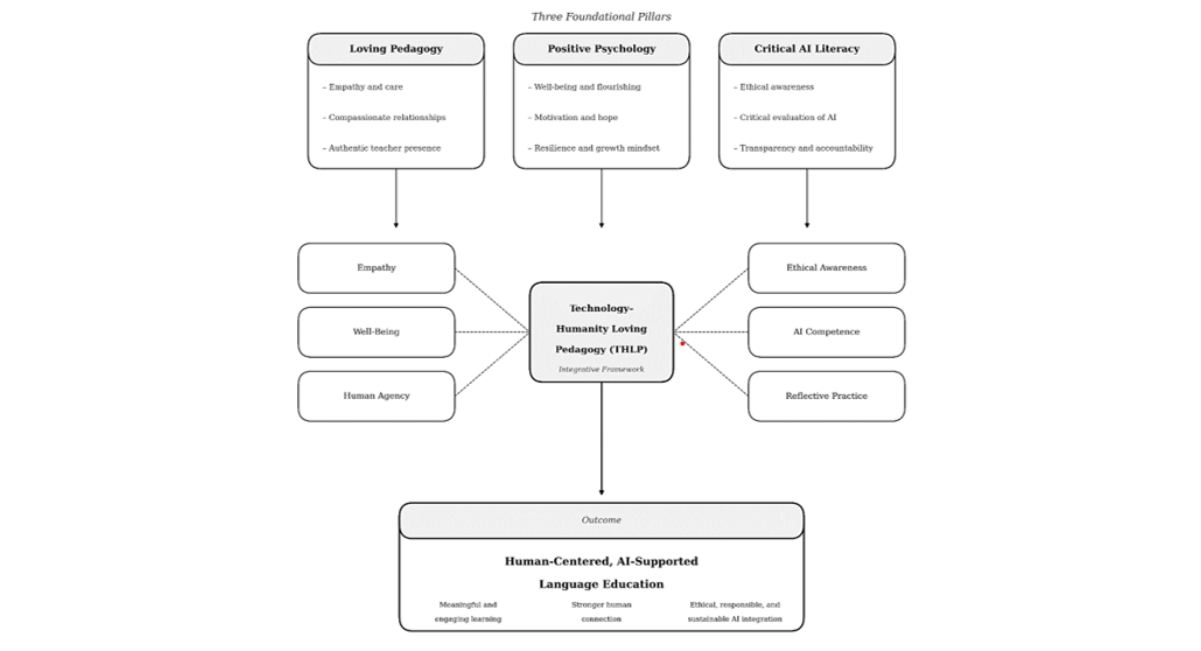
Figure 1: Technology Humanity Loving Pedagogy (THLP): An Integrative Conceptual Framework for AI-Supported Language Education
As Figure 1 shows, the THLP framework places human values at the center of AI-supported language education. It informed the development of the research questions, data collection procedures, and thematic analysis by foregrounding the dynamic interaction between technological innovation and human-centered pedagogical principles. The following section describes the methodological procedures used to investigate teachers' lived experiences of integrating AI into language education.
METHODOLOGY
Research Design
Given the exploratory nature of the research questions, this study adopted a qualitative research design. A qualitative approach suited the study's aims because it allows an in-depth understanding of participants' experiences, perceptions, and interpretations within their natural educational contexts. Rather than pursuing statistically generalizable findings, qualitative inquiry seeks to reveal the meanings individuals assign to their experiences making it well suited to investigating the emotional, ethical, and pedagogical dimensions of AI-supported teaching.
This design enabled the researchers to examine how EFL teachers experience empathy, care, ethical responsibility, and emotional engagement while integrating AI technologies into their instructional practice, and provided the flexibility needed to capture the complexity of teachers' lived experiences and to explore the emerging THLP framework through rich narrative accounts.
Participants and Context
The study was conducted in Tehran, Iran, a multicultural metropolitan area where digital technologies are increasingly woven into English language education. This setting offered a fitting context for exploring how EFL teachers negotiate the emotional, ethical, and pedagogical implications of AI-supported instruction across diverse teaching environments.
Fifteen EFL teachers took part in the study, drawn from a range of institutions that included three public universities, two private language institutes, and several online teaching platforms serving adult learners. All participants had at least one year of practical experience using AI-powered educational tools (including ChatGPT, Grammarly, and adaptive language-learning systems) in their instructional practice. Their teaching experience ranged from 3 to 18 years, and their qualifications included degrees in TESOL, Applied Linguistics, and Educational Technology.
Participants were selected through purposeful sampling, which allowed for the inclusion of teachers with varied professional backgrounds, institutional affiliations, and levels of experience with AI technologies, thereby capturing a diverse range of perspectives on the integration of empathy, care, and ethical responsibility within AI-mediated language education.
Recruitment proceeded through professional TESOL networks, institutional mailing lists, and social media communities dedicated to English language teaching in Tehran. An invitation describing the study's focus on AI and emotional engagement in language teaching was distributed electronically, and teachers who expressed interest received a detailed participant information sheet explaining the study's objectives, participation procedures, confidentiality measures, and their right to withdraw at any stage without consequence.
Potential participants were then screened against two inclusion criteria: practical experience using at least one AI-supported instructional tool, and a demonstrated interest in the affective, reflective, or ethical dimensions of language education. Teachers who met both criteria were invited to take part in the semi-structured interviews and to keep reflective journals throughout the four-week data collection period.
Tehran's cultural and institutional diversity offered a particularly valuable context for examining how educators understand the relationship between technology, ethics, and human connection in contemporary EFL classrooms, and the variety of teaching settings represented in the sample strengthened the richness of the data and supported a comprehensive exploration of the proposed THLP framework.
Table 1 presents participants' demographic information, educational background, teaching experience, institutional affiliation, and the AI tools most frequently used in their instructional practice.
Participant | Gender | Age | Highest Qualification | Teaching Experience (Years) | Institution | Primary AI Tools Used |
|---|---|---|---|---|---|---|
T1 | Female | 31 | MA TESOL | 7 | Public University | ChatGPT, Grammarly |
T2 | Female | 35 | MA Applied Linguistics | 10 | Private Language Institute | ChatGPT, Grammarly |
T3 | Male | 29 | MA TESOL | 5 | Online Language Platform | ChatGPT |
T4 | Female | 42 | PhD Applied Linguistics | 18 | Public University | ChatGPT, Adaptive Learning System |
T5 | Male | 37 | MA TESOL | 12 | Private Language Institute | ChatGPT, Grammarly |
T6 | Female | 40 | PhD Educational Technology | 15 | Public University | ChatGPT, Adaptive Learning System |
T7 | Male | 33 | MA Applied Linguistics | 8 | Online Language Platform | ChatGPT |
T8 | Female | 36 | MA TESOL | 11 | Private Language Institute | ChatGPT, Grammarly |
T9 | Male | 30 | MA TESOL | 6 | Online Language Platform | ChatGPT |
T10 | Female | 39 | PhD Applied Linguistics | 14 | Public University | ChatGPT, Adaptive Learning System |
T11 | Male | 34 | MA TESOL | 9 | Private Language Institute | ChatGPT, Grammarly |
T12 | Female | 28 | MA TESOL | 4 | Online Language Platform | ChatGPT |
T13 | Male | 41 | PhD Applied Linguistics | 16 | Public University | ChatGPT, Grammarly |
T14 | Female | 32 | MA Educational Technology | 7 | Private Language Institute | ChatGPT, Adaptive Learning System |
T15 | Male | 38 | MA TESOL | 13 | Public University | ChatGPT, Grammarly |
Table 1: Participant Demographic Information
Data Collection Instruments
Data were collected through two complementary instruments: semi-structured interviews and reflective journals. Drawing on multiple sources of evidence allowed the researchers to build a richer understanding of teachers' emotional, ethical, and pedagogical experiences while strengthening the credibility of the findings through data triangulation.
The semi-structured interviews invited participants to describe how AI technologies shaped their teaching practices, particularly their ability to express empathy, sustain caring relationships, and preserve authentic interactions with learners. This flexible format allowed participants to elaborate on personal experiences, ethical dilemmas, emotional challenges, and adaptive strategies, while giving the interviewer room to probe emerging issues through follow-up questions.
To complement the interview data, participants also kept reflective journals throughout the study, documenting authentic classroom episodes in which they consciously balanced the instructional advantages of AI against their commitment to emotional presence and human connection. Entries described specific teaching moments in which participants negotiated ethical concerns, demonstrated empathy, or adapted AI-generated content to better meet learners' emotional and educational needs.
Together, interviews and journals offered two complementary vantage points on teachers' experiences: interviews captured retrospective interpretations and professional reflection, while journals documented ongoing emotional responses and classroom decision-making in real time. This combination provided a comprehensive picture of teachers' affective labor, ethical awareness, and pedagogical practice within AI-supported language education, and strengthened the trustworthiness and depth of the qualitative analysis.
Procedure
Data collection took place over four weeks following approval from the relevant institutional ethics committee. Before participation began, all teachers received a detailed explanation of the study's objectives, procedures, and ethical safeguards. Written informed consent was obtained from every participant, who were informed that participation was voluntary and that they could withdraw at any stage without penalty.
The study began with individual semi-structured interviews lasting approximately 45-60 minutes, conducted in quiet locations chosen by participants or, when face-to-face meetings were not feasible, through secure video-conferencing platforms. With participants' permission, interviews were audio-recorded and later transcribed verbatim to ensure accuracy.
Following the interviews, participants kept reflective journals over the subsequent four weeks, documenting authentic classroom experiences involving AI-supported teaching with particular attention to episodes illustrating empathy, care, ethical decision-making, and emotional challenges. They were also asked to reflect on how AI shaped their instructional decisions, classroom communication, and sense of professional responsibility.
To promote consistency across entries, participants received a brief set of guiding prompts that encouraged reflection while leaving room to describe experiences that felt personally meaningful. Weekly reminders helped sustain regular journal writing and participant engagement throughout the data collection period.
Once data collection was complete, interview transcripts and reflective journals were anonymized using participant identification codes. All identifying information was removed prior to analysis, and the dataset was stored securely on password-protected devices accessible only to the research team.
Data Analysis
The data were analyzed using thematic analysis following the systematic procedures set out by Braun and Clarke (2006), an approach chosen for its flexible yet rigorous framework for identifying, organizing, and interpreting recurring patterns across qualitative datasets while remaining attentive to participants' lived experiences.
Analysis began with repeated readings of the interview transcripts and reflective journals to build familiarity with the data. At this initial stage, the researchers examined participants' narratives closely, recording preliminary observations and noting meaningful expressions related to empathy, care, ethical responsibility, emotional engagement, and experiences with AI-supported teaching.
The researchers then generated initial codes by systematically identifying meaningful segments throughout the dataset. Similar codes were grouped into broader conceptual categories representing recurring ideas across participants' experiences, and these categories were reviewed, compared, and refined through iterative discussion until coherent patterns emerged.
These categories were examined further to develop overarching themes capturing the shared meanings underlying participants' experiences. Themes were repeatedly checked against the original dataset to ensure they accurately reflected participants' accounts and remained conceptually coherent, an iterative process that ultimately yielded three overarching themes, each supported by two subthemes illustrating different dimensions of teachers' experiences with AI-mediated language education.
To enhance credibility and trustworthiness, coding decisions were independently reviewed by members of the research team, and any differences in interpretation were discussed until consensus was reached. Evidence from the interviews and reflective journals was also compared continuously throughout the analytical process, enabling methodological triangulation and strengthening confidence in the final thematic structure.
Trustworthiness and Ethical Considerations
Several strategies safeguarded the trustworthiness and ethical integrity of the study. Credibility was strengthened through data triangulation, combining evidence from semi-structured interviews and reflective journals to build a comprehensive understanding of participants' experiences; comparing these complementary sources allowed the researchers to confirm recurring patterns while capturing multiple perspectives on AI-supported teaching.
Dependability was supported by a transparent audit trail documenting each stage of the research process (participant recruitment, data collection, coding decisions, theme development, and interpretation) ensuring that the analytical procedures remained systematic, transparent, and replicable.
Confirmability was supported through continuous reflexive discussion: regular team meetings examined emerging interpretations, challenged potential assumptions, and worked to minimize individual researcher bias during coding and theme development, contributing to a balanced interpretation of participants' narratives.
Transferability was addressed through detailed descriptions of the research context, participant characteristics, educational settings, and data collection procedures, giving readers the information needed to judge the applicability of the findings to other educational environments.
The study received ethical approval from the Ethics Committee of Islamic Azad University, Ayatollah Amoli Branch (Approval No. 2025-738). All participants gave written informed consent before taking part and were informed of their right to withdraw at any time without consequence. The research was conducted in accordance with the ethical standards of the institutional research committee and the principles of the 1964 Declaration of Helsinki and its subsequent amendments.
To protect participants' privacy, all personal information was anonymized using identification codes. Interview recordings, transcripts, reflective journals, and other digital research materials were stored on encrypted, password-protected devices accessible only to the research team, and confidentiality was maintained throughout every stage of the investigation.
RESULTS
Process of Theme Development
To address the research questions, interview transcripts and reflective journals were analyzed using Braun and Clarke's (2006) six-phase thematic analysis procedure. The process began with repeated, careful readings of the entire dataset, allowing the researchers to become thoroughly familiar with participants' narratives while identifying recurring emotional expressions, reflective language, and shared experiences related to love, empathy, ethics, and AI-supported teaching—with particular attention to how teachers negotiated the relationship between technological innovation and human connection in everyday practice.
The initial coding stage generated more than 180 preliminary codes, among them maintaining human warmth, balancing efficiency with care, ethical uncertainty, professional responsibility, emotional fatigue, humanizing AI feedback, and creative uses of technology. These codes captured ideas that recurred consistently across participants' accounts and provided the foundation for the analysis that followed.
Conceptually related codes were then grouped into broader analytical categories representing common patterns of emotional, ethical, and pedagogical experience. Through continuous comparison of the data, repeated refinement of these categories, and peer debriefing, three overarching themes emerged: 1) Relational Presence in Algorithmic Spaces, 2) Moral Ambiguity and Emotional Labor, and 3) Pedagogical Renewal through AI Partnership. Each theme comprised two complementary subthemes that together captured the complexity of teachers' experiences with AI-mediated language instruction.
This thematic structure aligns closely with the study's research questions, illustrating how teachers experience relational presence, emotional labor, ethical reflection, and pedagogical innovation while integrating AI into EFL instruction. Each theme represents a distinct yet interconnected dimension of the proposed THLP framework and offers empirical evidence for how participants understood the coexistence of technological advancement and human-centered education.
In total, the coding and refinement process produced three overarching themes and six interrelated subthemes, capturing teachers' experiences of integrating AI into language education and illustrating how relational presence, ethical reflection, and pedagogical innovation interact within AI-supported teaching. Figure 2 provides a visual overview of the thematic structure that guided the presentation and interpretation of the findings.
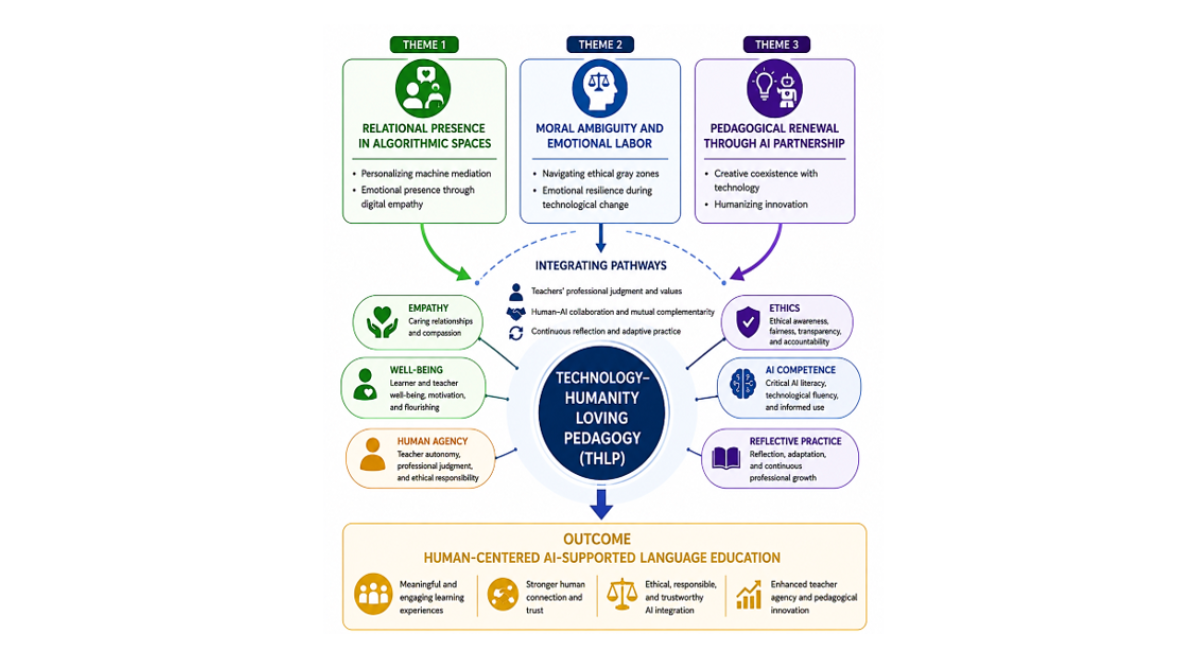
Figure 2: Overview of Emergent Themes and Subthemes from Teachers' Experiences with AI Integration
As Figure 2 shows, the three themes are conceptually interconnected, together tracing a progression from preserving meaningful human relationships, through addressing ethical and emotional challenges, to reimagining AI as a collaborative pedagogical partner. Each theme is discussed in turn below, illustrated with representative participant narratives.
Emergent Themes and Subthemes
The following sections examine each theme in turn, illustrated with representative participant quotations that capture the richness and diversity of teachers' perspectives.
Theme 1: Relational Presence in Algorithmic Spaces
The first theme, Relational Presence in Algorithmic Spaces, reflects teachers' deliberate efforts to preserve authentic human relationships while incorporating AI into classroom practice. Participants repeatedly stressed that meaningful teaching extends beyond delivering content and also requires emotional availability, encouragement, and interpersonal connection. Rather than letting AI-generated communication substitute for their own professional voice, teachers intentionally modified digital interactions so that students continued to experience empathy, care, and genuine teacher presence throughout the learning process.
Personalizing Machine Mediation
Participants actively reshaped AI-generated materials before sharing them with learners. Rather than forwarding automated responses unmodified, teachers revised wording, added encouragement, incorporated humor, and adjusted emotional tone so that feedback reflected their own teaching identity rather than the impersonal language of the software.
"Whenever AI prepares comments for my students, I make sure to rewrite parts of the feedback in my own words so that it still conveys warmth, encouragement, and my personal concern for their learning." (T2, Interview)
Another participant noted that technology does not diminish empathy so much as require teachers to express it differently.
"Technology doesn't take empathy away; it simply encourages us to communicate it through new forms of interaction." (T7, Reflective Journal)
Emotional Presence through Digital Empathy
Teachers described intentionally projecting emotional support during technology-mediated communication, carefully selecting the timing, wording, and tone of messages while remaining attentive to learners' emotional needs despite the physical distance that digital environments create.
"I try to understand students' emotions even through a screen. The language I choose, the timing of my replies, and even small expressions all become ways of showing empathy." (T4, Interview)
Taken together, these findings suggest that relational presence in AI-supported classrooms does not emerge automatically from the technology itself but results from teachers' conscious efforts to transform digital communication into meaningful human interaction through empathy, attentiveness, and ethical commitment. This directly addresses Research Question 1, demonstrating how participants intentionally sustained emotional connection while integrating AI-supported instructional technologies.
Theme 2: Moral Ambiguity and Emotional Labor
The second theme, Moral Ambiguity and Emotional Labor, captures the ethical and emotional complexity teachers encountered while incorporating AI into their instructional practice. Participants acknowledged the considerable pedagogical advantages of intelligent technologies, yet also described recurring uncertainty about responsible AI use, academic integrity, transparency, and the preservation of their professional identity. Rather than treating AI integration as a straightforward technological advance, teachers portrayed it as an ongoing process of ethical reflection demanding thoughtful judgment, emotional awareness, and professional responsibility.
Two closely related subthemes emerged from the analysis—Navigating Ethical Gray Zones and Emotional Resilience during Technological Change—which together reveal that successful AI integration extends well beyond technological competence, requiring educators to continually balance innovation against human values and ethical decision-making.
Navigating Ethical Gray Zones
Participants consistently reported that increasing AI use created situations in which clear professional boundaries were difficult to define. AI enhanced efficiency by assisting with lesson planning, feedback generation, and instructional support, but teachers were emphatic that they could not rely on algorithmic recommendations alone; every AI-generated output, they said, required careful evaluation before it could be incorporated into classroom practice.
"AI certainly helps me complete many teaching tasks more efficiently, but I always question whether its suggestions truly reflect my educational values before I decide to use them." (T6, Interview)
Another participant described transparency as an essential part of responsible AI integration.
"Whenever I use AI to prepare classroom materials, I believe it is important to be honest about its role while ensuring that the final decisions remain my own." (T9, Reflective Journal)
Several teachers also raised concerns about fairness, bias, and the risk that students might become overly dependent on AI-generated responses. Rather than rejecting these technologies outright, participants described a cautious, reflective approach in which professional judgment consistently guided instructional decisions—one in which AI supports educational practice without diminishing teacher autonomy, learner independence, or ethical accountability.
These findings suggest that ethical AI integration is not merely a technical matter but an ongoing professional responsibility, one in which reflective decision-making keeps technological innovation aligned with educational values and human-centered teaching.
Emotional Resilience during Technological Change
Beyond ethical concerns, participants described the emotional adjustments demanded as AI became more deeply integrated into language education. Many acknowledged periods of uncertainty while adapting to rapidly evolving technologies, but also felt that these challenges ultimately strengthened their professional confidence and resilience.
"At first I worried that AI might gradually reduce the importance of teachers, but over time I realized that our human qualities have become even more valuable." (T10, Interview)
Another participant highlighted the value of continual learning.
"Keeping pace with AI requires constant professional growth, but it has also encouraged me to rethink my teaching in more creative and reflective ways." (T13, Reflective Journal)
Participants often described emotional resilience as the capacity to stay flexible while holding onto confidence in their professional expertise. Rather than resisting technological change, they treated adaptation as an opportunity to refine their instructional practice while preserving empathy, authenticity, and meaningful relationships with learners. Several explained that navigating this uncertainty prompted deeper reflection on their evolving roles within AI-supported classrooms, ultimately reinforcing rather than weakening their commitment to student-centered education.
Taken together, these findings indicate that emotional resilience is a critical component of responsible AI integration one that involves not only acquiring new technical competencies but also sustaining optimism, professional identity, and ethical commitment through periods of educational transformation.
Theme 3: Pedagogical Renewal through AI Partnership
The third theme, Pedagogical Renewal through AI Partnership, captures participants' evolving understanding of AI as a collaborative educational partner rather than a substitute for the teacher. Across interviews and journals, teachers described a similar shift in perspective: initial concerns about automation and diminished human interaction gave way to a more balanced view in which AI was seen as a resource for enhancing creativity, instructional flexibility, and meaningful engagement provided teachers remained actively involved in pedagogical decision-making. Far from weakening the human dimension of teaching, participants felt that thoughtful AI integration opened new avenues for strengthening empathy, innovation, and learner-centered practice.
Two complementary subthemes emerged within this broader theme (Creative Coexistence with Technology and Humanizing Innovation) together showing that participants understood pedagogical innovation as a collaborative process in which technological capability combines with distinctly human qualities such as empathy, ethical reasoning, and professional judgment.
Creative Coexistence with Technology
Participants consistently found AI most effective when treated as a partner that supports rather than directs instructional practice. Teachers described using it to generate lesson ideas, create learning materials, design classroom activities, and spark creative thinking, while retaining full responsibility for selecting, adapting, and implementing these resources according to learners' needs. AI, in this sense, expanded teachers' pedagogical possibilities without diminishing their professional agency.
"Working alongside AI has completely reshaped my understanding of love in education. I now see it as the willingness to intentionally create richer and more meaningful learning experiences for my students." (T1, Interview)
Another participant explained:
"AI often gives me ideas I might never have considered, but transforming those ideas into meaningful learning experiences still depends on my own teaching decisions." (T5, Reflective Journal)
Several teachers added that collaborating with AI encouraged greater experimentation in lesson planning, classroom interaction, and learner engagement. Rather than following technology uncritically, they actively adapted AI-generated suggestions to suit individual learning contexts, cultural expectations, and students' emotional needs—experiences suggesting that pedagogical creativity emerges through collaboration between human expertise and technological support, not through automation alone.
Humanizing Innovation
This subtheme reflects participants' commitment to keeping technological innovation firmly grounded in authentic human relationships. Teachers repeatedly stressed that AI's educational value depended less on increasingly sophisticated algorithms than on educators' ability to preserve empathy, trust, encouragement, and meaningful interpersonal communication throughout digitally mediated learning experiences.
"I usually ask AI to generate an initial draft, but I always revise the language so that students feel they are hearing a real teacher rather than interacting with a machine." (T8, Reflective Journal)
Similarly, another participant observed:
"Technology can certainly improve learning, but students continue to remember the kindness, encouragement, and understanding they receive from their teachers long after the lesson has ended." (T12, Interview)
Participants consistently described humanizing AI as an intentional pedagogical practice rather than an automatic byproduct of technology use. Every AI-generated explanation, feedback message, and learning activity, they explained, required thoughtful adaptation to ensure students continued to experience emotional support, respect, and authentic teacher presence. Innovation, in this light, did not replace traditional educational values but created new avenues for expressing them within digitally enhanced learning environments.
Across both subthemes, participants showed that meaningful innovation occurs when technological capability is guided by human wisdom rather than efficiency alone. AI, accordingly, was not seen as an endpoint of educational transformation but as a catalyst that prompted teachers to rethink creativity, empathy, and professional responsibility in contemporary language education.
Of the three themes, this one offers the strongest empirical support for the THLP framework. Participants consistently portrayed effective AI integration as a dynamic partnership in which technology enhances educational practice while teachers remain responsible for preserving empathy, ethical judgment, and authentic human connection directly addressing Research Question 3 by showing how educators reconceptualized AI as a collaborative pedagogical partner capable of supporting both innovation and human-centered teaching.
To make the analytical process transparent, Table 2 summarizes the relationship between the study's research questions, key analytical variables, emergent themes and subthemes, representative evidence, and corresponding interpretations, showing how each research question was systematically addressed through thematic analysis and tracing the progression from empirical data to principal findings.
Research Question | Key Analytical Variables | Emergent Theme and Subthemes | Representative Participant Evidence | Interpretation |
|---|---|---|---|---|
RQ1. How do teachers sustain relational presence and emotional connection while integrating AI into language teaching? | Relational presence; Emotional connection; Digital empathy; Teacher-student interaction | Theme 1: Relational Presence in Algorithmic Spaces Subthemes: • Personalizing Machine Mediation • Emotional Presence through Digital Empathy | "Whenever AI prepares feedback for my students, I revise parts of it using my own words so that the message still reflects warmth and genuine care." (T2, Interview) | Teachers deliberately modify AI-generated content to preserve empathy, authentic communication, and meaningful teacher-student relationships. Relational presence emerges through conscious pedagogical choices rather than through technology itself. |
RQ2. What emotional and ethical challenges do teachers experience while incorporating AI into pedagogical practice? | Emotional labor; Ethical reflection; Professional responsibility; AI literacy | Theme 2: Moral Ambiguity and Emotional Labor Subthemes: • Navigating Ethical Gray Zones • Emotional Resilience during Technological Change | "AI certainly helps me work more efficiently, but I always question whether its suggestions truly reflect my educational values." (T6, Interview) | Participants described continuous ethical reflection while balancing technological efficiency with fairness, transparency, and professional responsibility. Emotional resilience enabled teachers to adapt to technological change without compromising their educational values. |
RQ3. How do teachers reinterpret AI as a collaborative partner that supports pedagogical innovation and human-centered learning? | Pedagogical renewal; Teacher agency; Human-centered innovation; Creativity | Theme 3: Pedagogical Renewal through AI Partnership Subthemes: • Creative Coexistence with Technology • Humanizing Innovation | "Working alongside AI has reshaped my understanding of love in education because it encourages me to create richer and more meaningful learning experiences." (T1, Interview) | Teachers reconceptualize AI as a collaborative pedagogical partner that enhances creativity while reinforcing empathy, ethical judgment, and human-centered teaching. These findings provide empirical support for the Technology-Humanity Loving Pedagogy (THLP) framework. |
Table 2: Alignment of Research Questions, Analytical Variables, Emergent Themes, Representative Evidence, and Interpretations
DISCUSSION
This study explored how EFL teachers experienced the integration of AI into language education through the lens of the proposed THLP framework. Drawing on semi-structured interviews and reflective journals, the findings show that participants did not perceive AI as replacing the relational foundations of teaching. Instead, they consistently described intelligent technologies as pedagogical resources whose educational value depended on teachers' ability to preserve empathy, ethical responsibility, and meaningful interpersonal relationships. Together, the three themes suggest that successfully integrating AI is not primarily a technological achievement but a human-centered educational process in which innovation and humanity coexist rather than compete.
Rather than standing as isolated findings, the three themes trace a progressive arc from maintaining relational presence, through navigating ethical complexity, to reconceptualizing AI as a collaborative pedagogical partner. This progression lends empirical support to the THLP framework and reinforces the study's central proposition: meaningful educational innovation occurs when technological advancement is guided by empathy, professional judgment, and ethical responsibility.
When Technology Meets Humanity: Preserving Relational Presence in AI-Supported Language Education
The first theme shows that participants regarded relational presence as indispensable to effective language teaching, regardless of how sophisticated AI technologies become. Rather than letting AI-generated communication substitute for authentic interaction, teachers deliberately personalized instructional materials, revised automated feedback, and carefully adjusted the emotional tone of digital communication so that students continued to experience encouragement, care, and human connection. Empathy, these findings suggest, was not diminished by technology but intentionally reconstructed within AI-mediated learning environments.
This finding extends prior scholarship on Loving Pedagogy by showing how caring relationships can be sustained even as instructional interactions become more heavily mediated by intelligent technologies. Earlier studies have established the importance of empathy, compassion, and teacher student relationships in language education the present findings move beyond confirming that significance to identify the practical strategies teachers use to preserve these qualities during AI-supported instruction. Empathy, participants' experiences suggest, remains a conscious pedagogical practice rather than an automatic outcome of technological integration.
These findings also reinforce Positive Psychology principles, showing that emotional support, encouragement, and positive interpersonal relationships continue to shape learner engagement even as intelligent educational technologies become more widespread. Prior research has established the importance of positive emotions for motivation, resilience, and language achievement the present study complements this work by showing that AI does not diminish the importance of these emotional processes so much as change how teachers go about intentionally communicating care, reassurance, and emotional support in digitally enhanced environments.
An important contribution of this theme is the recognition that relational presence functions as a professional competence rather than simply a personal trait. Participants showed that empathy can be intentionally embedded within AI-supported teaching through thoughtful adaptation of technology-generated content, careful instructional design, and reflective communication. The educational effectiveness of AI, accordingly, depended less on algorithmic sophistication than on teachers' capacity to preserve authentic human relationships throughout the learning process reinforcing the broader argument that technology enhances education most effectively when it strengthens, rather than replaces, the interpersonal foundations of teaching.
Ethical Reflection, Emotional Labor, and Responsible AI Integration
The second theme highlights the ethical and emotional complexity that accompanies growing AI integration in language education. Participants recognized the considerable instructional advantages of intelligent technologies but were equally emphatic that responsible implementation required continuous reflection, careful professional judgment, and emotional resilience. Rather than treating AI as a fully autonomous instructional solution, teachers described an ongoing process of evaluating algorithmic recommendations, weighing efficiency against fairness, and keeping educational decisions aligned with their professional values.
These findings align closely with existing discussions of Critical AI Literacy, which hold that educators need more than technical competence to integrate AI responsibly and require them to critically evaluate algorithmic outputs against issues of transparency, bias, privacy, and accountability. The present study extends this literature by showing how such principles are negotiated in everyday classroom practice: rather than remaining abstract, ethical considerations became concrete decisions that participants faced each time an AI-generated recommendation required human evaluation and adaptation.
The findings also reveal emotional labor as an essential but often overlooked dimension of AI-supported teaching. Participants described adapting not only to new technologies but also to shifting professional expectations, evolving pedagogical roles, and expanding ethical responsibilities; maintaining confidence amid rapid technological change demanded continual learning, emotional flexibility, and reflective practice. Rather than treating these as obstacles, most teachers interpreted them as opportunities for professional growth and pedagogical renewal.
Collectively, these findings suggest that ethical AI integration depends on preserving human agency throughout the decision-making process. Participants consistently resisted the idea that algorithmic recommendations should replace professional expertise, insisting instead that technology should inform rather than determine educational practice preserving teachers' autonomy, moral responsibility, and capacity for reflective judgment. This reinforces the THLP framework's central premise that ethical AI integration is grounded in human values, not technological capability alone.
Reimagining Human-AI Partnership Through the THLP Framework
Perhaps the most significant contribution of this study is participants' reconceptualization of AI, from technological tool to collaborative pedagogical partner. Rather than describing AI as an autonomous instructional agent or a replacement for teachers, participants consistently tied its educational value to how educators combined technological capability with empathy, ethical reflection, and professional judgment. This shifts the focus of AI-supported language education from technological performance to human agency, suggesting that meaningful innovation emerges through purposeful collaboration between teachers and intelligent technologies.
Existing research has highlighted the instructional benefits of AI in language learning, but much of it has concentrated on automation, personalization, learning analytics, and instructional efficiency [35], leaving comparatively little attention for how teachers actively preserve education's emotional, ethical, and relational dimensions while working alongside AI. The present findings address this gap: participants did not treat AI as an external force shaping their teaching but continuously interpreted, modified, and humanized its outputs to keep technological innovation consistent with their educational values.
This provides strong empirical support for the proposed THLP framework. Rather than a simple combination of Loving Pedagogy, Positive Psychology, and Critical AI Literacy, THLP explains how these complementary perspectives interact dynamically throughout AI-supported teaching: Loving Pedagogy contributes the relational foundation through empathy, care, compassion, and authentic teacher-student relationships; Positive Psychology strengthens that foundation through learner well-being, motivation, resilience, and human flourishing; and Critical AI Literacy supplies the ethical dimension through reflective engagement, responsible decision-making, transparency, and professional accountability. The present findings show these dimensions operating simultaneously rather than independently, forming an integrated approach capable of supporting both technological innovation and human-centered education.
An equally important contribution concerns the evolving role of teachers within AI-supported classrooms. Participants rejected the assumption that technological advancement inevitably diminishes teacher agency, portraying AI instead as expanding opportunities for creativity, reflection, and pedagogical innovation while increasing the importance of human expertise. This challenges technology-centered narratives that cast AI as the primary driver of educational transformation, suggesting instead that sustainable innovation depends on educators' capacity to exercise ethical judgment, emotional intelligence, and pedagogical wisdom while collaborating with intelligent technologies. The future of language education, on this account, is best understood not as a transition from human teaching to artificial intelligence but as the emergence of increasingly sophisticated forms of human AI partnership grounded in shared educational purposes.
Taken together, these findings reinforce the message embedded in the study's title When Techn ology Meets Humanity. Educational transformation occurs neither through technological advancement alone nor through resistance to innovation, but when technological capability is guided by empathy, ethical responsibility, and authentic human relationships. The THLP framework thus offers both a theoretical explanation and a practical model for understanding how AI can enrich language education without compromising its fundamentally human character. Rather than operating independently, the three themes (relational presence, ethical reflection, and pedagogical renewal) interact dynamically through empathy, human agency, reflective practice, and responsible AI use, forming the foundation of the proposed THLP framework. Figure 3 illustrates how these findings converge into this integrated conceptual model.
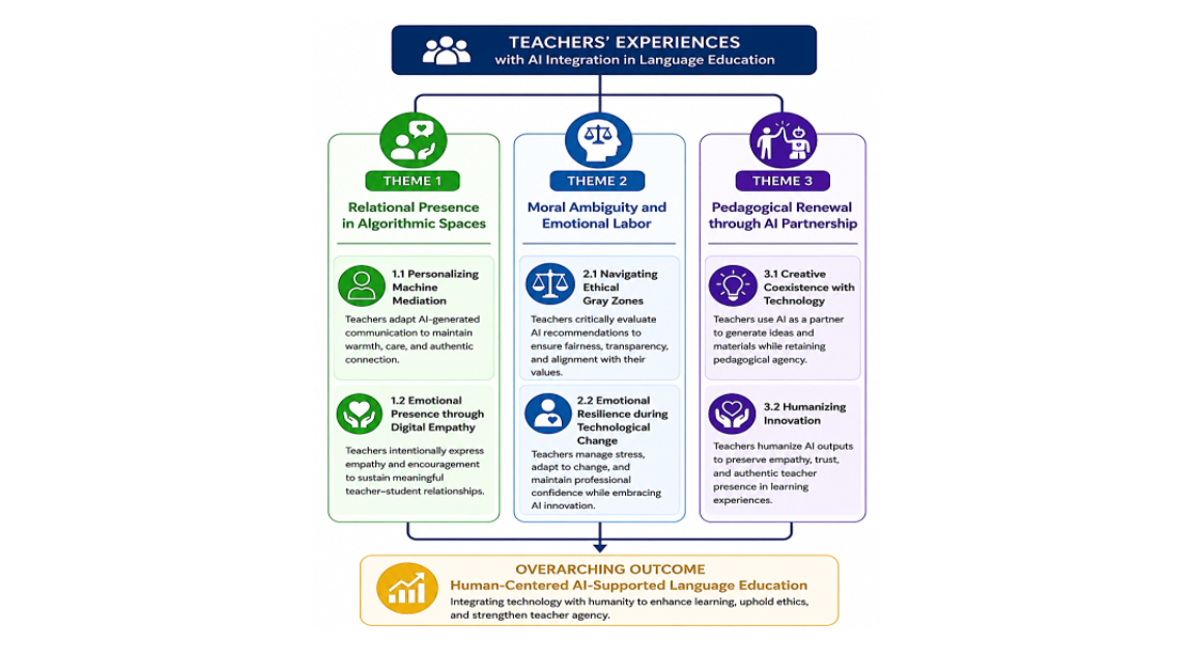
Figure 3: From Findings to Framework: Convergence of the Three Themes within the Technology Humanity Loving Pedagogy (THLP) Model
As Figure 3 shows, the three themes converge through complementary pedagogical and ethical processes that position teachers as reflective professionals guiding AI integration through empathy, ethical responsibility, and human agency. Rather than emphasizing technological capability alone, the model shows sustainable educational innovation emerging from the continuous interaction between human values and intelligent technologies a perspective that grounds the theoretical contributions discussed next.
Theoretical Contributions
This study makes several contributions to the growing literature on AI in language education. First, it extends existing scholarship on Loving Pedagogy by showing that empathy, care, and authentic teacher-student relationships remain central to effective instruction even in AI-supported learning environments. Where previous studies examined these constructs primarily in conventional settings, the present findings show how teachers intentionally reconstruct relational presence through the thoughtful adaptation of AI-mediated interactions.
Second, it contributes to Positive Psychology research by showing that emotional well-being, learner motivation, and supportive classroom relationships continue to shape educational experiences despite growing technological mediation. Rather than diminishing the importance of positive interpersonal relationships, AI appears to have heightened teachers' awareness of the need to cultivate encouragement, trust, and emotional support in digitally enhanced learning environments.
Third, the findings broaden current understanding of Critical AI Literacy by showing that ethical AI integration involves far more than technical competence. Participants consistently framed ethical decision-making as an ongoing process of evaluating algorithmic recommendations against professional responsibility, fairness, transparency, and learner well-being supporting the view that responsible AI integration is a human centered pedagogical practice rather than a purely technological skill.
Most importantly, this study proposes the THLP framework as an integrative model that connects these previously independent perspectives into a coherent account of AI-supported language education. Rather than treating empathy, ethics, psychological well-being, and technological competence as separate objectives, the framework shows how these dimensions mutually reinforce one another in everyday classroom practice, offering a theoretically grounded foundation for future empirical work and for the responsible design and implementation of AI-assisted language education.
Practical Implications
These findings carry practical implications for teachers, teacher educators, institutions, and policymakers alike. For classroom practitioners, the results suggest that AI should be integrated as a resource that complements rather than replaces human interaction continuing to adapt AI-generated materials, personalize feedback, and foster emotionally supportive classrooms that preserve empathy and authentic communication.
For teacher education programs, the findings underscore the need to prepare future educators not only to use AI technologies effectively but also to develop ethical awareness, critical AI literacy, and relational competence. Professional development should accordingly pair technological training with opportunities for reflective practice, ethical reasoning, and the cultivation of caring pedagogical relationships.
Educational institutions and policymakers likewise have a role to play in keeping AI implementation aligned with human centered educational values. Institutional policies should promote transparency, responsible AI use, protection of learner privacy, and continued recognition of teachers' professional judgment. Rather than evaluating AI adoption chiefly by measures of efficiency or productivity, educational leaders should also weigh its influence on learner well-being, teacher autonomy, and the quality of human relationships within educational environments.
Together, these implications reinforce the central premise of the THLP framework: the educational potential of AI depends not only on technological sophistication but also on educators' sustained commitment to empathy, ethical responsibility, and meaningful human engagement.
Limitations and Future Research
Several limitations warrant acknowledgment. First, the study adopted a qualitative design with a relatively small sample of EFL teachers from institutions in Tehran, Iran. This approach enabled an in-depth exploration of participants' lived experiences, but the findings are context-specific and should not be read as statistically generalizable to all educational settings. Nonetheless, the richness of the qualitative data offers valuable insight into how teachers negotiate the emotional, ethical, and pedagogical dimensions of AI-supported language education.
Second, the study focused exclusively on teachers' perspectives. This emphasis suited the aim of examining professional experience and pedagogical decision-making, but it left learners' perceptions unexamined. Future research would benefit from incorporating students' voices to build a fuller picture of how empathy, care, and human connection are experienced within AI-mediated learning environments.
Third, given how rapidly AI continues to evolve, teachers' experiences and attitudes are likely to keep changing as new technologies emerge. The findings should therefore be read as reflecting participants' experiences at the current stage of AI development, not as fixed patterns of technology integration.
Future research should extend this investigation through larger, more diverse samples, cross-cultural comparisons, longitudinal designs, and mixed-methods approaches that pair qualitative insight with quantitative evidence. Such work could examine the applicability of the THLP framework across different educational contexts, learner populations, and technological environments, and explore how institutional policies, teacher education programs, and professional development initiatives shape the successful implementation of human-centered AI in language education. Collectively, these directions would help refine the THLP framework while deepening understanding of the ethical, relational, and pedagogical practices that define AI-supported education.
CONCLUSION
The growing presence of Artificial Intelligence is reshaping educational practice, creating unprecedented opportunities while raising important pedagogical and ethical questions. Against this shifting landscape, the present study examined how EFL teachers experience AI-supported language education through the lens of the proposed THLP framework. Drawing on qualitative evidence from interviews and reflective journals, the findings show that effective AI integration depends not simply on technological capability but on educators' continued commitment to empathy, ethical responsibility, professional judgment, and authentic human relationships.
The thematic analysis revealed three interconnected dimensions of teachers' experiences. First, participants intentionally preserved relational presence by adapting AI-generated interactions to sustain empathy and meaningful communication. Second, they described AI integration as an ongoing process of ethical reflection requiring emotional resilience, professional responsibility, and continuous critical evaluation of technological recommendations. Third, teachers reconceptualized AI as a collaborative pedagogical partner capable of enhancing creativity and instructional innovation while reinforcing, rather than diminishing, the human foundations of education. Together, these findings show that technological advancement and human-centered pedagogy are not competing priorities but complementary dimensions of responsible educational practice.
Beyond answering the study's research questions, these findings contribute to contemporary scholarship by proposing the THLP framework as an integrative model uniting Loving Pedagogy, Positive Psychology, and Critical AI Literacy within a coherent approach to AI-supported language education. The framework shows empathy, emotional well-being, ethical reflection, and technological competence operating as interconnected dimensions of effective teaching rather than isolated objectives. By positioning teachers as reflective professionals who intentionally shape the relationship between technology and humanity, THLP offers both a theoretical foundation for future research and practical guidance for educators, teacher educators, institutional leaders, and policymakers.
Ultimately, the future of Artificial Intelligence in education will not be settled by increasingly sophisticated algorithms or expanding technological capability alone. Its long-term educational value will depend on the extent to which teachers continue to preserve empathy, compassion, ethical responsibility, and authentic human relationships even as they embrace innovation. In this sense, the findings of the present study reaffirm the message reflected in its title: meaningful educational transformation occurs not when technology replaces humanity, but when technology meets humanity.
DECLARATIONS
Ethical Approval
The study involving human participants was reviewed and approved by the Institutional Review Board of Islamic Azad University, Ayatollah Amoli Branch, Department of English Language and Literature, Iran (Ref. No. 933/ELT/2025, Date. 03. November.2025), and conducted in accordance with the ethical standards of the institutional research committee and with the principles of the Declaration of Helsinki and its later amendments.
CONSENT TO PARTICIPATE
Informed consent was obtained from all participants prior to participation in the study. Participation was voluntary, and participants were informed of their right to withdraw at any time without penalty.
CONSENT TO PUBLISH
Not Applicable
ACKNOWLEDGEMENT
We sincerely thank all the editors, managers, and reviewers for their insightful comments and valuable guidance. Additionally, the authors gratefully acknowledge all participants for their cooperation and active involvement in the study.
COMPETING INTERESTS
All of the authors declare no conflict of interest.
FUNDING
This work received no funding.
CLINICAL TRIAL NUMBER
Not applicable.
USE OF AI TOOLS
The authors used generative artificial intelligence tools to assist with language editing and manuscript refinement. All conceptualization, data collection, analysis, interpretation, and final decisions regarding the content of the manuscript were performed by the authors. The authors take full responsibility for the accuracy and integrity of the work.
AUTHOR CONTRIBUTION
Conceptualization: H.I.
Investigation: H.I.
Methodology: H.B.
Formal analysis: H.B.
Resources: H.B.
Writing - original draft: H.I.
Writing - review & editing
Software: H.I.; H.B.
Supervision: H.I.
DATA AVAILABILITY
The datasets generated and analyzed during the current study are available from the corresponding author upon reasonable request.
REFERENCES
- Alonazi WB. The impact of emotional intelligence on job performance during COVID-19 crisis: A cross-sectional analysis. Psychology research and behavior management. 2020 Sep 22:749-57. [Crossref] [Google Scholar] [PubMed]
- Barjesteh H, Isaee H. Technology is an Asset: Enhancing EFL Learners’ Vocabulary Knowledge and Listening Comprehension through CALL.[Google Scholar]
- Barjesteh H, Isaee H, Manoochehrzadeh M. From skill acquisition to professional agency: Rethinking EFL teachers’ professional development in the age of AI. Indonesian Journal of Pedagogy and Teacher Education. 2026 Apr 1;4(1):20-30.[Google Scholar]
- Barjesteh H, Vijayaratnam P, Fatehi Rad N, Golkar Rafsanjani M, Isaee H, Gholipour H. Unraveling the Drivers of Teacher Exhaustion in Language Education: A Deep Drive into Internal and External Factors. InForum for Linguistic Studies 2025 (Vol. 7, No. 3, pp. 90-103).[Google Scholar]
- Crompton H, Burke D. Artificial intelligence in higher education: The state of the field. International journal of educational technology in higher education. 2023 Apr 24;20(1):22.[Google Scholar]
- Crompton H, Burke D. The educational affordances and challenges of ChatGPT: State of the field. 2024 Mar;68(2):380-92.[Google Scholar]
- Crompton H, Jones MV, Burke D. Affordances and challenges of artificial intelligence in K-12 education: A systematic review. Journal of research on technology in education. 2024 May 3;56(3):248-68.[Google Scholar]
- Derakhshan A, Fathi J. Longitudinal exploration of interconnectedness through a cross-lagged panel design: enjoyment, anxiety, willingness to communicate, and L2 grit in English language learning. Journal of Multilingual and Multicultural Development. 2025 Sep 14;46(8):2192-210.[Google Scholar]
- Derakhshan A, Pawlak M. An introduction to the special issue on innovative research approaches in the study of foreign language teachers’ and learners’ academic emotions. Journal of Multilingual and Multicultural Development. 2025 Sep 14;46(8):2133-9.[Google Scholar]
- Li C. Emotions in second language acquisition: A critical review and research agenda. Shanghai International Studies University. 2020 Feb 10.[Google Scholar]
- Fredrickson BL. Positive emotions broaden and build. In Advances in experimental social psychology 2013 Jan 1 (Vol. 47, pp. 1-53). Academic Press.[Google Scholar]
- Isaee H. Iranian EFL instructors’ perspectives on integrating artificial intelligence applications into English language teaching and learning. Journal of AI in ELT and Applied Linguistics. 2026 Feb 25;2(1):14-24.[Google Scholar]
- Isaee H, Barjesteh H. EFL teachers’ professional development needs: A comparative phenomenological analysis for face-to-face and online instruction. Journal of Studies in Learning and Teaching English. 2023 Jun 1;12(2):45-56.[Google Scholar]
- Isaee H, Barjesteh H. Humanizing artificial intelligence integration in English as a foreign language pedagogy through love and empathy. Polyglot: Journal of Linguistics, Literature, and Language Education. 2025 Dec 29;1(2):81-100.[Google Scholar]
- Isaee H, Barjesteh H. The relation between Iranian EFL learners' perception of teacher enthusiasm and their engagement in the context of second-language classrooms. Applications of Language Studies. 2025 Apr 1;3(1):74-102.[Google Scholar]
- Isaee H, Barjesteh H. Exploring teachers’ and learners’ perceptions of AI-supported pedagogical tools in English language teaching. Discover Artificial Intelligence. 2026 Feb 14;6(1):224.[Google Scholar]
- Isaee H, Barjesteh H, Manoochehrzadeh M. Loving pedagogy and second language learning: The role of teacherly care, motivation, and anxiety in EFL classrooms. Indonesian Journal of Pedagogy and Teacher Education Vol. 2025;3(3).[Google Scholar]
- Kelley M, Taylar W. Advancing artificial intelligence literacy in teacher education through professional partnership inquiry. Education Sciences. 2025;15(6):659.[Google Scholar]
- Klemettilä PA. AI literacy as ‘a candle in the dark’: exploring critical perspectives towards artificial intelligence with children and youth(Master's thesis, PA Klemettilä).[Google Scholar]
- Laakso M, Fagerlund Å, Pesonen AK, Lahti-Nuuttila P, Figueiredo RA, Karlsson C, Eriksson JG. Flourishing students: The efficacy of an extensive positive education program on adolescents’ positive and negative affect. International Journal of Applied Positive Psychology. 2021 Oct;6(3):253-76.[Google Scholar]
- Li C, Dewaele JM, Jiang G. The complex relationship between classroom emotions and EFL achievement in China. Applied Linguistics Review. 2020 Sep 25;11(3):485-510.[Google Scholar]
- Loreman T. Kindness and empathy in pedagogy. InLove as Pedagogy 2011 (pp. 15-31). Rotterdam: SensePublishers.[Google Scholar]
- MacIntyre PD, Mercer S. Introducing positive psychology to SLA. Studies in second language learning and teaching. 2014;4(2):153-72.[Google Scholar]
- MacIntyre PD, Gregersen T, Mercer S. Setting an agenda for positive psychology in SLA: Theory, practice, and research. The Modern Language Journal. 2019 Mar;103(1):262-74.[Google Scholar]
- Manoocherzadeh M, Isaee H, Barjesteh H. Artificial intelligence in project-based learning: A systematic review of its role in English language acquisition and pedagogical innovation. Indonesian Journal of Pedagogy and Teacher Education. 2025 Sep 10;3(3):81-91.[Google Scholar]
- Mercer S, Gregersen T. Transformative positive psychology in the acquisition of additional languages. Journal of Multilingual and Multicultural Development. 2025 Oct 21;46(9):2671-86.[Google Scholar]
- Oxford RL. Teaching and researching language learning strategies: Self-regulation in context. Taylor & Francis; 2016 Dec 19.[Google Scholar]
- Seo K, Tang J, Roll I, Fels S, Yoon D. The impact of artificial intelligence on learner–instructor interaction in online learning. International journal of educational technology in higher education. 2021 Oct 26;18(1):54. [Crossref] [Google Scholar] [PubMed]
- Velander J, Otero N, Milrad M. What is critical (about) AI literacy? Exploring conceptualizations present in AI literacy discourse. InFraming futures in postdigital education: Critical concepts for data-driven practices 2024 Jul 10 (pp. 139-160). Cham: Springer Nature Switzerland.[Google Scholar]
- Wang N, Kang J. The role of teacher empathy and immediacy in Chinese EFL students’ affective learning outcomes: unveiling the associations. Frontiers in Psychology. 2023 Nov 9;14:1294891. [Crossref] [Google Scholar] [PubMed]
- Wang XM, Hu QN, Hwang GJ, Yu XH. Learning with digital technology-facilitated empathy: An augmented reality approach to enhancing students’ flow experience, motivation, and achievement in a biology program. Interactive Learning Environments. 2023 Dec 15;31(10):6988-7004.[Google Scholar]
- Wang Y, Derakhshan A, Pan Z. Positioning an agenda on a loving pedagogy in second language acquisition: Conceptualization, practice, and research. Frontiers in Psychology. 2022 May 20;13:894190. [Crossref] [Google Scholar] [PubMed]
- Wong PT. Second wave positive psychology’s (PP 2.0) contribution to counselling psychology. Counselling Psychology Quarterly. 2019 Oct 2;32(3-4):275-84.[Google Scholar]
- Yan L, Sha L, Zhao L, Li Y, Martinez‐Maldonado R, Chen G, Li X, Jin Y, Gašević D. Practical and ethical challenges of large language models in education: A systematic scoping review. British Journal of Educational Technology. 2024 Jan;55(1):90-112.[Google Scholar]
- Zawacki-Richter O, Marín VI, Bond M, Gouverneur F. Systematic review of research on artificial intelligence applications in higher education–where are the educators?. International journal of educational technology in higher education. 2019 Oct 28;16(1):39.[Google Scholar]
- Zhao S, Li M. Reflection on loving pedagogy and students' engagement in EFL/ESL classrooms. Frontiers in Psychology. 2021 Sep 17;12:757697. [Crossref] [Google Scholar] [PubMed]