




 Download PDF
ABSTRACT
The thesis aims to explore, investigate and identify the emergence of Virtual Reality as an immersive, interactive, and accessible alternative platform to traditional theatre experience. The advancement in technology has transformed traditional theatre into digital experience. Helsinki based company like “Second Theatre” has collaborated with platform such as Meta to produce and project theatrical performance through Virtual Reality devices. Hence, this study aims to acquire a qualitative understanding of the transformation of traditional to virtual theatre experience. With this change there is a possibility to experience entertainment with more immersion and accessibility features like multilingual subtitles, boosted hearing and lens correction for visually impaired to make theatre experience more inclusive and accessible. It is to investigate how well virtual theatre provides an immersive, interactive and accessible experience through this study.
Since Virtual Reality is an extended and alternate theatre platform for creators, this study is crucial as it dives deeper into exploring the possibilities and shortcomings of the platform in terms of accessibility and immersion. A user testing session has been conducted at Tampere University by the research group with “Second Theatre” as part of this study in April 2024. During the session, a drama was projected through VR among research participants. The survey included a set of thirty qualitative and quantitative questionnaires where participants responded with their immediate experience of the Virtual Reality Theatre.
However, there is scope for implementing improved features and develop the user experience for watching theatre using VR devices. Based on the findings from the user testing, this thesis also provides recommendations to help ensure future VR experiences to more accessible and user friendly
Keywords: Virtual reality theatre; Accessibility; Digital Inclusion; Immersive technologies; Digital Theatre; User Experience; Sustainable Media; Multisensory Experience; Personalized Entertainment
INTRODUCTION
Theatre has been an ancient form of art and platform of artistic expressions. From the early days, theatre was not just considered as a form of entertainment, but it was embedded in the structures, lifestyle, behaviors, and beliefs of many civilizations, communities which was not limited to elite group of dramatic literates. Early anthropological studies suggest that civilizations from Mediterranean basin, Ancient Greek, the Far East and northern Europe used a common space for religious ritual to connect with supernatural forces. The Ancient Greek drama from the 5th century BCE is found to have created the foundation for Western theatre. Later, the religious practice has been transformed into theatrical performances. Moreover, traces of the early practices can be found in prehistoric cave paintings and traditions which transformed into dramatic presentations in Italy, Greece, India, China among several others. Historically, theatre has been a platform for humans to reflect their unique cultural identity and social norms. It has been evident from the medieval pageants and Shakespearean innovations, and public playhouses in England. These were the major stages where the audience engagement, immersion and interactivity grew, making the plays a way of active involvement for the audiences [1]. This thesis aims at identifying the gaps and explore the areas of studies concerning accessibility in virtual theatre, user literary, inclusion and interaction. The identified research problems of the thesis are that theatre platforms have limited support and features for the users with mobility, visual, hearing, and language accessibility needs. Additionally, there are the barriers with immersion, user literacy, user experience, comfort and engagement they face.
However, the thesis focuses in exploring the socio-scientific aspects of the VR theatre in the approach to cater the needs of the users with disabilities. This is to examine how technology-oriented entertainment such as VR theatre can promote social inclusion and build sustainable digital society. Moreover, the thesis highlights the connection between the virtual theatre experience and the creators. Also, technological aspects play a pivotal role in understanding the level of user literacy and their engagement. Virtual theatre is still a novice practice; this thesis attempts to understand the shift from and co-existence of traditional and virtual theatre with the research question:
How crucial are factors like immersion, interactivity, accessibility, user interface and comfort in designing Virtual Theatre platform to provide best user engagement?
The popularity of VR as an immersive platform has been growing with over 171 million users of VR worldwide [3]. The popularity indicates the increasing demand and needs to incorporate the accessibility features embedded within the device by default, not as an extension when required [4]. Although VR is comparatively a new technology and Virtual Theatre being even a newer implementation, developers can consider the history of accessible design and integrate the accessibility elements to ensure accessible VR experience [5].
Despite having the studies that highlight the future potential of VR as a platform for digital theatre, there has been a comparatively limited concern about the fundamentals of accessibility. Considering the necessity of adequate accessibility features to ensure inclusive medium of entertainment, some companies are taking the necessary step through their inclusive business module. The founders of “Box Office VR” Kelman and Gemma Grieg-Kicks aim to make Theatre more accessible to a broader audience. By launching the platform, they minimized the problem of people with disability and limited mobility to experience the performance at the comfort of their homes during the Covid 19 pandemic [6].
Moreover, in Finland a Virtual Theatre company named “Second Theatre” has started up its operations by collaborating with Meta and Apple. The idea was developed by the founder Erkki Izarra in 2015 who was then Global Director at Microsoft after experiencing VR technology. In 2023 the company launched its very first Virtual Theatre show named, “The Hairdresser” in the platform leveraging Meta as the platform. As a thesis collaborator with the research students at Tampere University, they responded to the queries about the business plan, integrating accessibility features and future sustainability concerns. Currently, the promote accessibility through the platform by ensuring subtitle in multiple languages. They also facilitate the 3D customization in seats, ambience, environment, and avatar for easy accessibility.
However, not every company facilitate accessibility features in the platforms. Hence, this research focusses on accessibility, personalized experience, immersion, and significance of digital literacy. The most crucial factor influencing the selection of this topic is the association of Second Theatre as a collaborator of this research. Hence, Second Theatre and their approach to Virtual Theatre have been chosen as case study. Moreover, the author of this thesis living in Finland, being a student at Tampere University, his academic and professional background in Digital Media and Communication and his association with Tampere Accessibility Unit (TACCU) make the topic suitable for exploration further from a multidisciplinary perspective.
The core aim of this study is to identify and explore the answers to the research questions stated above. It followed both the qualitative and quantitative research methods through questionnaires. The data has been collected in presence of the collaborator- Second Theatre through user testing survey conducted among the ten students who volunteered to participate in the virtual theatre show- “Two Phone calls”. The thesis also focuses on Digital Sustainability and inclusivity for sustainable societies.
Furthermore, there is a lack of inclusive and universal design (user interface) for various audience types in experiencing virtual theatre with VR devices. To mitigate this, platforms can incorporate more accessible features keeping the diverse user groups in mind which is elaborated in the recommendation section. Since traditional theatre comes with limited accessibility options, virtual theatre can fill in the gap of limited accessibility. “Second Theatre” provides a personalized interactive platform with an alternative watching experience. The study will investigate how VR can be a feasible and sustainable alternative to traditional theatres. Theatre performances can provide audiences with immersive experiences using virtual reality. Therefore, audiences watch and participate actively in the storytelling by interacting with virtual audiences and artists. Moreover, Virtual reality (VR) technology offers a digital substitute for theatre experience, enabling the development of dynamic, multi-dimensional performances and inventive narrative methods.
In summary, the thesis consists of seven chapters starting with the introduction. This part familiarizes with the concept of VR, current practices and integrating theatre in the platform. This provides an overview of the thesis in general. The second chapter presents literature review from the relevant published sources and available articles on Virtual Reality, Virtual Theatre, Digital Accessibility, User Literacy, and digital Inclusion for sustainable societies. It also addresses the research question and research problems. It continues with the third chapter with the research methodologies used in this research with a brief discussion on the ethical consideration. The fourth chapter provides the analysis of the data from the findings of experiment conducted 29 April 2024.
It is then followed by the fifth chapter that discusses about the research findings and provides recommendations. The sixth being the concluding chapter will shed light on the overall summary, future scopes of the study and implications. Lastly, the thesis aims to develop an interpretivist/constructivist paradigm since the main objective is to understand the phenomenon of Virtual Reality devices as the platform of digital/virtual theatre.
Research questions: With the research questions below, the study asks how simulated accessibility information can be helpful for the users.
How can the immersive accessibility digital twin impact pre-visit confidence, trust, and independence for users with disability and parents/caregivers?
How can AI collaboration and crowdsourced verification support the creation and maintenance of an accessible urban digital twin?
LITERATURE REVIEW
The term “virtual reality” concerning theatrical art is an innovative product of the global society of informatization as it interprets the historical and psychological aspects of “virtuality”, as a universal cultural phenomenon [7]. The transition from traditional theatre to virtual theatre has been considerably crucial especially in the recent technological advancements and the global pandemic in understanding the attributes of these two media of the same art form. In the traditional theatre, the act is presented live which usually takes place in indoor theatre. Whereas, virtual theatre involves various tools and digital platforms, including VR, online streaming, recording and digital technology for viewing [8].
Virtual Theatre, an Amalgamation of Technology, Art and Culture
It was since the times of Greek playwright Aristophanes and tragedian Sophocles; theatre plays have been a crucial medium of human expression and artistic portrayal of life by presenting creative work in theatre stages [9]. Traditional theatre production undergoes an extensive and complex process that involves ideation, set design, acting, writing, direction, costumes, art design, and overall arrangement. It is the production team that works to develop the setup for the ultimate audience experience by creating dramatic ambience, theme, emotions, mood, and sound. The nature of this artistic medium makes the plays live and interactive which significantly distinguishes from other forms of media such as movies and games [10]. In contrary, audiences use Virtual Reality devices as a tool to experience theatre virtually which enhances the viewing experience of the live theatre, rather than creating a new type of theatre. The majority of the audience of Virtual Thater comprises of younger users where 68% of them reportedly prefer more digital elements in Virtual Theatre where they would be willing to pay more [11].
In the paper, A History of Virtual Reality in Performance (2006), Steve Dixon highlights how virtual reality has developed in the field of theatrical performance. He explains that the idea of creating immersive experiences is not novice. For centuries, people have been using mediums like panoramas and illusion spaces to immerse the audiences in the story. Dixon also describes how VR technologies like headsets created by Morton Heilig and Ivan Sutherland influenced artists and performers in the 1990s. According to him, despite the potential of VR in making theatre more immersive and engaging, there are challenges like expenses and technical difficulties. He believes with the proper support and monitoring; VR can offer the new opportunities and exciting ways to experience live entertainment.
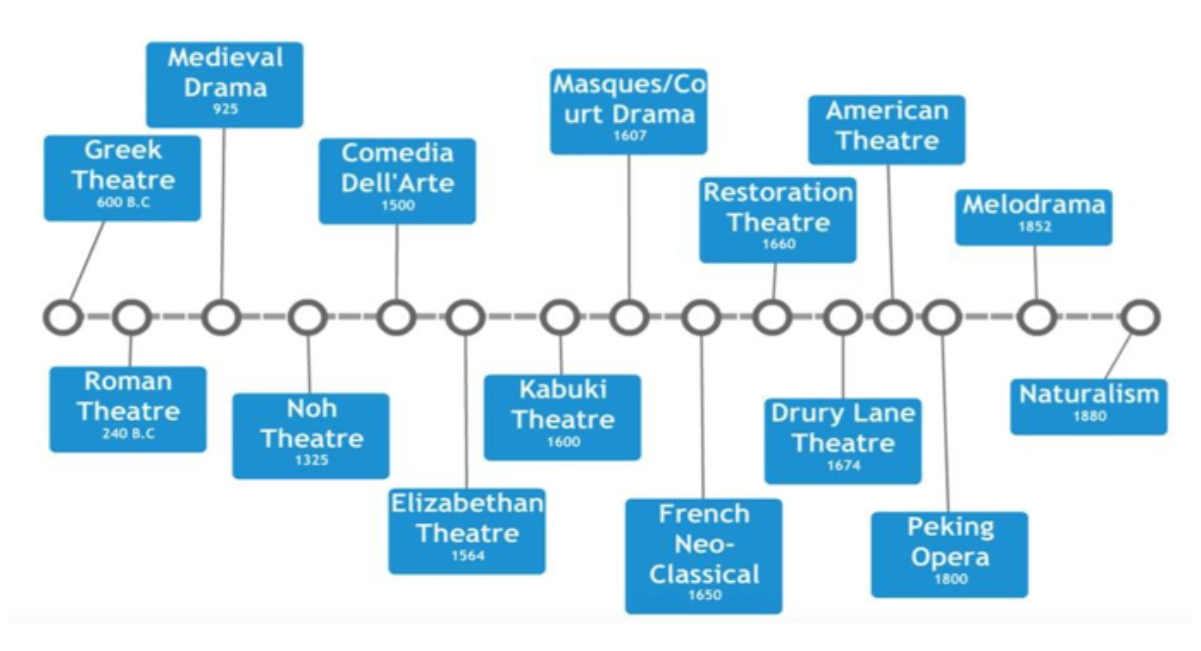
Figure 1: [Source: https://tspeyton.blogspot.com/p/timeline-of-theatre.html]
Moreover, theatre does not just reflect the culture of the elite or so-called literates as argued in the paper “A Cultural History of Theatre: A Desideratum (2016)” by Davis and Balme. They argue that it is fundamentally a social and cultural practice which is universal means of artistic expression. Through the paper, they also noted that from the late 70s, theatre researchers started considering history of theatre differently. They focussed not only to the popular plays but also paid attention to the ordinary people’s performances where people’s values, rituals, lifestyle, beliefs, and everyday practices were reflected. In the contrary, the paper “Cultural Representation in Modern Theater (2024)” by Siena Ebony explores how modern theatre represents diverse culture through plays. Ebony (2024) finds that the modern theatre has progressed by hosting and promoting more culturally diverse stories and perspectives. However, the leaders and decision makers such as producers, directors, still come from certain majority of cultural groups. The crucial point in the paper is that there are regional differences, power imbalance and discrimination in the society. Despite of all these, she suggests that theatre can offer inclusive policies for the marginalized people to be heard. This will result in inclusivity in the society by uplifting the minorities.
Dixon and Smith (2017) differentiate between traditional and virtual theatre by identifying the structural setting in both the platforms. Unlike traditional theatre, virtual ones incorporate digital technology to project shows/acts [12]. According to the study conducted by the Australia Council for the Arts (2021), the virtual theatre can be categorized into interactive and non-interactive based on the extent of interactivity of the platforms. In the interactive virtual theatre, audience can engage themselves with interactive simulation elements such as virtual audience, interaction like cheering, responding to acts, avatar, custom seat arrangements, ambience, and lighting. However, in live performances when watched virtually, the audiences usually do not differentiate the play itself, rather they experience the presentation and the digital elements which enhance their theatrical experience. Also, audience select the play depending on the content, personal preference rather than merely the interactive elements [13].
Santhosh Sv (2023) in his 2023 paper, Virtual Reality and the Arts: Opportunities for Creativity and Innovation discusses that VR as technology has the potential to revolutionise art and the way it will be experienced by the users. According to him, it opens doorway for the creators a new form of art which were difficult to achieve, produce and distribute initially. As per his exploration, VR as a platform for art is such a significant innovation that offers the ability to create virtual exhibitions, which consequently creates a virtual space for artists to showcase their work globally without the barrier of mobility. Furthermore, VR enables the artists with creative freedom where they can go beyond the traditional two-dimensional media. They can not only create immersive contents, but also three-dimensional audio-visual environment for audience to immerse and interact. Additionally, VR comes with the ability to create art incorporating multisensory experience besides sight for instance, haptic feedback technology. The paper also discussed how VR technology facilitates artists to explore unique ways of storytelling as far as VR Theatre is concerned. They can generate virtual narratives to offer an immersive and participatory storytelling for the viewers. This unique approach enables artists to set new standards for new media. Traditional theatres require in person presence of the audience to immerse them in storytelling which are portrayed in real time and space. However, as Mike Pearson (2012) explored, traditional theatre can be experienced in other forms of in-person site such as a host site where audience experience a real-world location such usual seating gallery. Another example being the ghost site where audiences experience a simulated act or environment with created scenography [14]. Similarly, many traditional theatres organize immersive activities with proscenium seating arrangement to immerse the audiences [15].
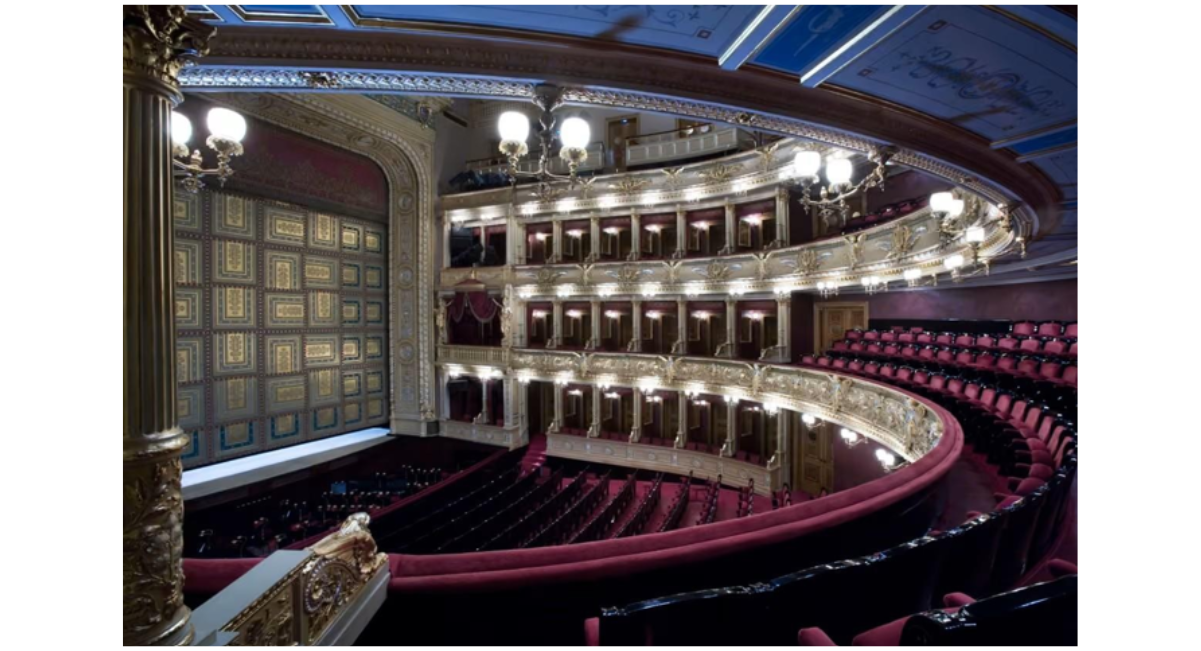
Figure 2: The National Theatre in Prague [Source: https://shorturl.at/x0Qel]
Moreover, Alston (2016) has presented the possibility to immerse the audience into the play utilizing interactive activities such as running, hiding, and dancing during the play [16]. These immersive principles are leveraged into developing theatre in Virtual Reality with digital technology to facilitate immersion virtually [17]. In the paper Theatre and Cultural Heritage: A Global View (2025), D. Kovalenko explores the interaction between theatre and cultural heritage in various global contexts. It's evident in the discussion that theatre is crucial in preserving and representing the cultural identity. He also argues that theatre is a unique platform to transmit cultural memory that helps communities to present shared history and values. An artwork being referred to as “digital” can indicate that it has been generated employing software, digital tools and/or any other means of technology. Hence, it “can be described as an electronic series of zeros and ones” [18]. Moreover, art is communicated to the audiences through senses such as immersion, smell, motion and sound. These senses are transmitted at one’s emotional, mental, sensory and spiritual states. The process occurs by a process of multiple synchronization of these senses in human body, senses, intellect and mind which helps us to respond to art and comprehend it [19].
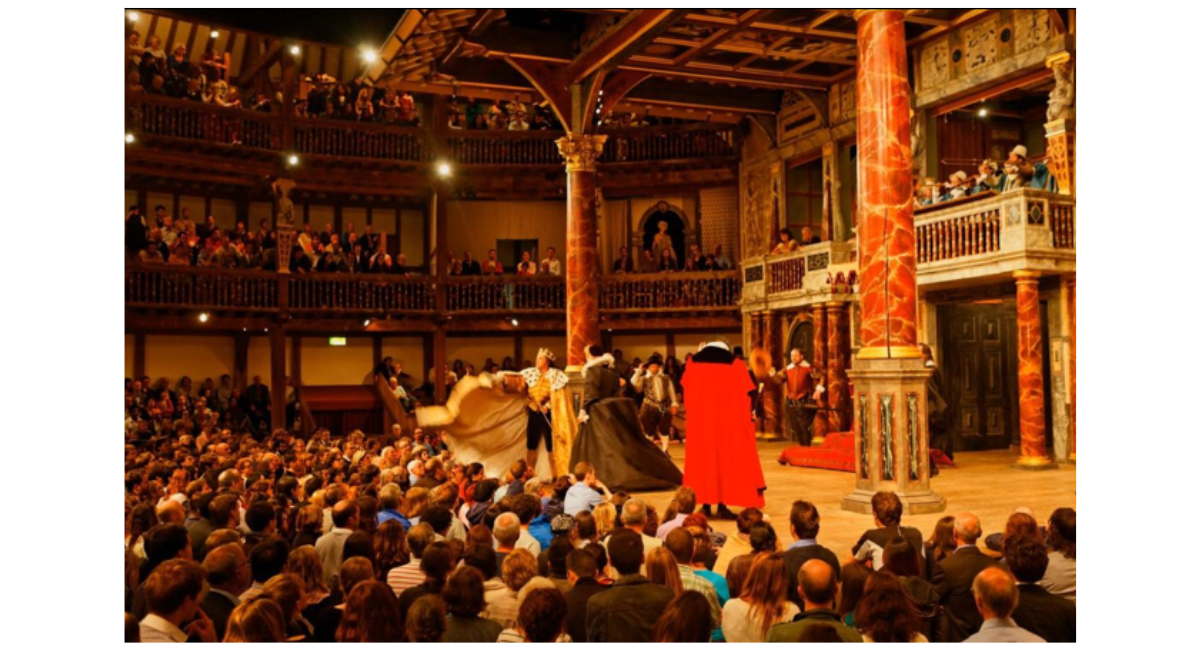
Figure 3: Traditional Theatre, Shakespeare’s Globe in London. [Source: https://shorturl.at/nBIzy]
However, earlier studies indicate significant association of art with digital technology like VR. VR is a technology which is significantly theatrical, despite the difficulty of turning an isolated, subjective VR experience into something like the Aristotelian understandings of theatre [20]. However, essential components of Aristotle's dramatic ideas, including empathy and mockery, are present in VR. He believes that if properly executed, a virtual reality experience will have a greater sense of participation and satire in the events [21]. Moreover, the first VR theatre designer, Mark Reaney, refers to theatre as "the original virtual reality machine," which allow the audiences to enter "imaginary worlds which are interactive and immersive" [22]. Meanwhile, VR critic and artist Diane Gromala contends that the fantastical worlds evoked by copied simulations of ceremonies, scenery, art, literature, and theatre are the historical predecessors of VR [23].
Moreover, producers and artists have been exploring VR for decades by utilizing the technology to offer lively performances, and interactive experiences. Another significant advantage is that VR can provide a sense of presence within the virtual environment. VR technology can give a sense of transportation to the audiences in different environments by creating an immersive experience. This phenomenon is difficult to achieve through traditional form of theatre. For instance, VR can simulate a 360-degree environment where audience can experience artistic audio-visual from every angle and interact within the virtual space with avatars. Consequently, this creates an unparalleled engagement which creates a strong connection between the audience and the artwork.
Emergence of Virtual Theatre
Recent years have witnessed a significant rise in the use of Virtual Reality platforms in education, personalized entertainment, communication, research, innovation, and immersive gaming. To trace back the inception of the concept of VR, it was Ivan Sutherland in the 1960s who described VR as a window where user could perceive the virtual world by looking, feeling, and hearing with real sound in which users could act realistically [24]. Virtual reality (VR) blends the computer graphics, motion sensors, and visual technologies to project immersive virtual settings for the users [25]. Earlier, Fuchs and Bishop (1992) defined Virtual Reality as “the real-time interactive graphics with 3D models, combined with a display technology that gives the user the immersion in the model world and direct manipulation". As per the definition of Gigante (1993), VR is "the illusion of participation in a synthetic environment rather than external observation of such an environment”.
Currently, startups across the world are leveraging the VR technology to offer new platforms for users to experience theatre digitally. Virtual Theatre is a recent approach to experiencing theatre performances by employing Virtual Reality devices merging with existing platform like Meta. It combines elements of traditional theatre such as theatrical performance, acting and production combining with digital technologies that helps users to transcend physical limitations [26]. Users witness the immersive experience with Virtual Reality devices which offers a new potential to support social interaction [27]. VR provides an immersive experience to the users in various forms where immersion is a state of experience that concerns the degree of stimulated senses, interactions, and the resemblance to the reality with the simulated environments. Depending on the level of immersion, the devices are categorised into three types which are: immersive, semi-immersive and non-immersive. The immersive systems can provide a complete simulated experience through various sensory outputs devices such as Head Mounted Displays (HMDs) to enable a stereoscopic view of the visual element through the user’s head movement. Whereas the semi-immersive ones are capable of projecting stereo images of a three-dimensional scene in monitor using a perspective projection which is placed to the head position of the users [28]. Lastly, the non-immersive are the simplest and cheaper ones that use only the desktop to produce images and sounds to deliver a conventional way of audio-visual experience. However, the feature depends on the attributes and properties of the technological system or a particular platform (Slater, 2009). How users experience the immersion significantly depend on their sense of presence within the platform. Presence is a psychological state of “being there” in the audio-visual system that involves the sense of interaction and reaction to the simulation [29].
Traditional theatre has been a source of entertainment since ages as a strong medium of cultural expression, which offers an immersive storytelling and theatrical experience through live performances. The established concept of theatre is that it portrays a dramatic performance by actors in a staged environment where audiences live and experience the performances. As far as the VR contents are concerned, the nature of the content determines if users experience the stimuli as reality or not. When the user expectation of reality is met through the content, their experience of VR watching is enhanced. Higher the level of reality in VR interaction, there is a higher level of realism of the user’s behaviors [30].
Immersion in Virtual Theatre
Immersion refers to the deep psychological involvement of user within the virtual environment [31]. where the boundaries between reality and the virtual blur. This might lead the user to a sense of 'presence' within the virtual world. Immersive experiences often offer a unique escape from the daily stress and challenges. For many, diving into a virtual environment after a stressful day can be reading an interesting novel or getting lost in Netflix channels. It is a temporary detachment, a respite from endless responsibilities and plans. When it comes to theatre play experience with stories, adventures, theatrical performances and musical, immersion simply provides a space where one can temperately set aside mundane issues. Intermedial theatre incorporating digital technology and immersive media into theatrical work. For example, Bluff and Johnston (2019) highlights how dance performances have utilized the elements of augmented reality into a dance performance and Worthen (2021) explores that there are many ways in which plays have been live streamed on Zoom. Also, there are ways in which immersive performances implement mixed reality technologies to facilitate out-of-body experiences [32].
Indicate that due to VR device’s interactive functionality and nature, various works have enabled users to have a sense of assumption in a participatory role in the play’s narrative [33]. In this context, director of Tinker Lou Ward, Cristopher David, and Lara Bucarey conducted a case study in 2021 on Tinker where audience has the part in drawing and building toys with the actor playing the role of grandfather. It was the director’s grandfather who developed Alzheimer’s disease. Later, a 2D film was created which turned into an immersive VR experience where audience could engage and immerse into the story to connect deeply. Additionally, The Under Presents: Tempest is another example of immersive attempt which allowed audience to play around with virtual props and act non-verbally involving them within the narrative [34]. However, Dalsgaard and Hansen (2008) suggest that the possibility of engaging audience with these interactive elements through VR theatre can significantly influence the role of the audience, making them both performer and audience at the same time [35].
Moreover, study by suggests that most of the technology that is used in VR theatre draws the design principle from digital games and cinema. The interactive virtual theatre often projects recorded theatre show where actors interact with the audiences [36]. Research has found that there has been a significant interconnection between immersive theatre and immersive gaming. Research indicates that game design often uses the design language of the theatrical set up as per Fullerton’s narration of the dramatic arc in games [37]. Exploring further by games like Uncle Roy All Around You and Can You See Me Now? implement real-time interactions with live performers to bring out the game’s alternate reality to improve the game content.
Furthermore, significant elements of a traditional theatrical rehearsal process, according to, can greatly enhance participants' sensation of presence in a shared virtual environment. It is shown in that to establish a feeling of presence, traditional shared Virtual Environments (VEs) for theatre production should meet certain characteristics. The extent of an audience’s presence significantly depends on the dynamic relationship between the actor and avatar, and how they interact within space. There have been various attempts to create more expressive virtual characters that react to human input in both virtual and 2D multi-media contexts [38]. However, when the participants engage, a “high degrees of freedom” (DOFs) input is crucial to ensure expressive control of virtual characters.
The immersion often raises questions about the state of reality among the audiences. The book Theatre and Performance in Digital Culture by Matthew Causey published in 2006 implies that theatre has always been virtual by nature. Whatever we see on screen or cyberspace has already been performed on stage. The book also refers to the argument of Peggy Phelan where it is implied that the nature of performances or acts may deteriorate the liveliness and immersion when it’s reproduced and re-presented through technological media. On the contrary, Philip Auslander has a different perspective as he perceives “live” as an artifact of mediatization. According to him, liveliness is not just a prior condition but it’s the output of how the act is mediatized through technology. The author Matthew Causey finds the arguments problematic and amends it by suggesting that the nature of live performance changes when it enters technological spaces [39].
Merging technology and human presence are essential to make the audience experience immersion. An article in European Commission by Allegra Mancini explores that Virtual Theatre has the potential to blur out the subtle between reality and fiction. This results in creating a unique narrative opportunity for the creators. For instance, in the Family Game VR production it combines a 50-minute VR video experience with live actor interactions to engage them with full immersion. It incorporates the elements of traditional theatre to create a hybrid format of viewing and interacting. The audience watches the performance using VR headsets and later during the session they remove the devices to interact with the actors [40].
Not just in entertainment, virtual reality has shown promising potential in the fields of education. Immersive Virtual Reality (IVR) environments have proven to boost students’ learning capabilities and engagement with immersive content. Conrad (2024) conducted thirty studies on IVR based education and analyzed that learners in virtual environment demonstrated active participation, autonomy, motivation and playfulness as compared to the traditional formats. The key contributors to such positive impact in the learners’ increased motivation and engagement are immersion and a sense of presence (Conrad, 2024). Studies by Kaplan-Rakowski and Gruber (2025) indicate that Immersive Virtual Reality is crucial for personalized learning and build emotional connections to enhance user engagement [41].
The interactive and multisensory nature of the VR environment also stimulates the creativity of the learners as explored by. His study finds that VR has the capacity to deliver complex learning materials in easier and engaging manner [42]. contextualises virtual reality gaming where user engagement and satisfaction are the result of realistic
visuals, interactive storytelling and feedback [43]. Healthcare sector has also witnessed a significant benefit with virtual reality. demonstrates immersive VR is highly interlinked with positive emotional output especially in the Oncology care department. She suggests through the paper that users experience a better emotional state when they are engaged in VR environments resulting in their mental and physical well-being [44].
VR and AR technologies have been integrated into immersive theatre, and this practice transformed the global artistic practice and audience engagement. Overall, the immersive entertainment industry was valued at over $60 billion in 2019, where the contribution of immersive theatre was around $28 million. This clearly portrays the significant market growth and the potential of future new media (AMT Lab, 2021). The National Theatre in London has played a crucial role acting as the pioneer of immersive storytelling. They have conducted experiment such as merging theatre with VR, and AR to extend the scope of theatre beyond the traditional ones. Shows such as VR musical Wonderland in 2016 converged music, narrative and interactive design. Similarly, the program alt.barbican presented hybrid storytelling projects using the novel forms of technologies [45-47].
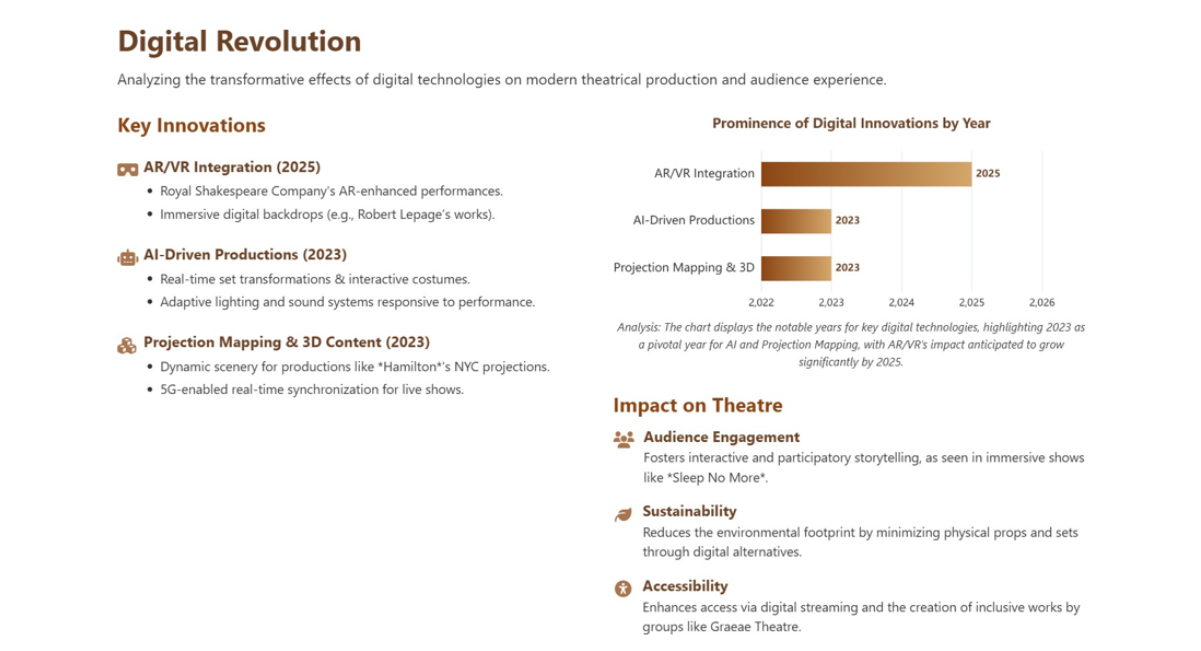
Figure 4: Integration of AR and VR into immersive theatre. [Source: https://shorturl.at/WPO2B]
National Theatre London was critically acclaimed for producing high profile work like All Kinds of Limbo that earned a Sundance nomination in 2019 for the innovative use of VR in exploring culture and music. The productions also integrate immersive and spatial motion with 360-degree immersive sound that lets the audience experience both digital and physical spaces that increases the engagement [48]. However, alongside the National Theatre London, the United States also has significant collaborations such as The Under Presents by Piehole and Tender Claws that has pushed the idea further. This has transformed VR theatre practice into mixture of gaming, and theatrical performance utilizing platforms like Oculus Meta Quest. This leverages the potential of the performers, and interactive challenges with technological innovation [49].
This shift to virtual spaces enables the creators to cater to geographically broader range of audiences. Doing so, it redefines the fundamentals of immersive and engaging narrative of storytelling. VR enables audiences to engage in a direct way which goes beyond the passive observation of traditional theatre. It often enables them to be the cast and be active witnesses, or characters in the play. These enhance the audience energy level, emotional connection, and opportunity to witness multisensory storytelling [50,51].
Hamlet 360: Thy Father’s Spirit is a n example of the potential that the transformation holds. The play was co-produced by Commonwealth Shakespeare Company and Google in 2019 where it was not merely filmed like a stage performance. However, this adaptation offered an option to characterize the audience as the ghost of Hamlet’s father. This has been a unique perspective on Shakespeare’s tragedy that the audience experienced firsthand. During the sixty minutes of the play, audiences could navigate a virtual 360-degree world where they followed actors and discovered hidden details like treasure hunting. Later, reviews show that this approach helped in experiencing a deep level of immersion and presented classic work like Hamlet in a never-seen-before and accessible way [52-54].
These facilities and provisions of digital creation broaden theatrical reach by the creators and performers with digital storytelling tools. However, literature suggests that successful VR theatre requires a balance of both traditional and virtual style of narrative with transparency. Audience gets the best output when creative teams utilize VR’s interactive and accessibility features to serve them with the best [55,56] Universal and Inclusive Design in VR Theatre.
Inclusion is the “environment facilitates acceptance, involvement by appreciating various approaches, perspectives, and experiences. This allows different individuals to express themselves with their identities to present their strengths and capacity [58]. In Europe this concept is alternatively known as, “Design for All” and in the United Staes it’s knows as, “Universal Design”. The concept of Inclusive Design goes back to the starting of the European social ideals which came into concept after the World War II. This initially included the basic human rights such as healthcare and housing for everyone [59]. During the early days, the primary focus of this has been the inclusive designing for the elderly and individuals with disabilities. However, in 2000, the government of the United Kingdom proposed another approach to Inclusive Design where the needs of the wide range of consumers are met by means of services, commodities and environments meant for all [60]. But as per the contemporary global trends of inclusion, it is not bound to only by catering the needs of the people with disabity and elderly people, but also to focus on excluded individuals and communities [61]. This is a philosophy to include everyone irrespective of people’s ability, background, gender, social class, religion and every other labels. Digital inclusivity is often achieved through methodological design that focuses in generating digital media, virtual environments, and theatres which can be easily accessed and used by the widest possible group of users, especially people with disabilities and from diverse backgrounds. This approach of digital inclusion ranges beyond traditional accessibility by incorporating diversity of the users as the key priority in the conceptualization and the overall design process and language. This consequently ensures that the product of services cater to the needs of people of different abilities, ages, languages, and cultural contexts. However, in the digital context, the inclusive design reflects usability, adaptability, flexibility, and willingness to participation by the users of all stages that results to engaging digital experiences [62].
Microsoft defines the concept of inclusive design as a methodology which is derived from the digital environments that enables full range of human diversity. It crucially indicates the inclusion of people and learning from the people of a diverse perspective [63]. Moreover, the accessibility criteria set while designing is the core foundation of integrity for the inclusive solution where inclusive design is prioritized (Holmes 2018). However, the final designs which are primarily designed for the people with disabilities, often benefits the other people as well who were not the initial core target. For instance, the auto doors were developed for the people with limited vision, people with visual disabilities and limited mobility. However, the people without disabilities, situational limitations, injured, parents with children also benefit from these facilities. This reflects the true essence of inclusive design where it implies that the design not only meant to cater to the entire population’s needs, but also creating appropriate design for the diversity in the population [64].
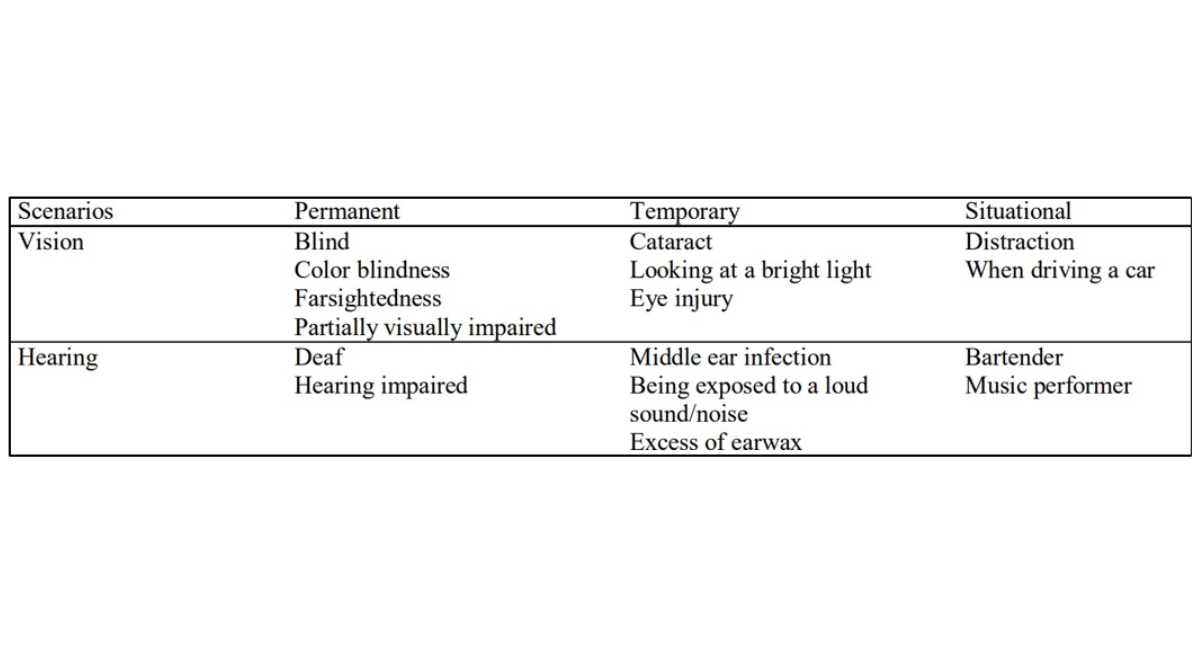
Figure 5: Persona illustrating permanent, temporary and situational scenarios [Source: Inclusion through digital arts: Creating a community of practice (Barat, 2019)
Inclusive design however in virtual reality environment, addresses the unique obstacles of the users with the help of immersive and assistive technologies like device usability, sensory accommodations, and customization of the UI- user interface. Developers implement innovative techniques such as adjustable display, multiple interaction modes (voice, gesture, eye tracking), and user compatibility with assistive technologies to ensure participation of the broader audience groups. Many research sheds light on the significance of including users with disability at the very early stages of VR environment development to receive multisensory feedback for constant development and maintenance. These practices ensure the accessibility of the virtual environments besides offering a meaningful and extensive engagement for everyone [65].
Both the traditional and virtual theatre can significantly benefit from the inclusive design principles if features like audio description, real-time captioning, comfortable seating arrangements, and sensory-friendly features can be integrated into the setting. To make the theatre accessible, theatres often collaborate with artists with disability and audiences where they help to guide the artistic and technical decisions. These practices break the traditional obstacles to participate and challenge the preset cultural assumptions and stereotypes about people’s capability and limitation regarding the theatre performances. Therefore, inclusive design in theatre is an important process of co-creation that promotes not only social changes, but also it supports creative innovation [66].
Inclusive design is a noble and positive approach to universal design that aims at broad participation of the people. This is a collaborative and continuous effort which involves development, monitoring, feedback, iteration, adaptation and responsiveness to new needs and technologies. In digital media, VR, and virtual theatre, the transformation to inclusive design has a significance towards social equity, diversity, and full participation. This field is evolving and ongoing research highlights the significance of making inclusion a central design value in all platforms and creative practices [67].
Interactivity in VR theatre and the COVID19 scenarios
Interactivity is one of the core components in virtual setup which differentiates the virtual theatre from the traditional ones. In virtual theatre, audiences don’t just sit back and passively experience the performances, they also actively participate and interact through the interactive features embedded in the devices. Their actions and choices can influence the narrative, environment, or even the outcome of the performance. According to research, interactive elements like multiple branching storylines, avatar movement, and real-time audience feedback improves the audience engagement, level of immersion, and emotional involvement with the performers and performances. These affordances make the audience theatrical experience more personalized and memorable. Recent projects have explored the potential VR platforms to facilitate interactivity which offers the ability for audiences to participate remotely, communicate, and interact with the narrative. However, this also poses threat of new challenges like balancing narrative structure with user autonomy and providing accessibility for participants [68].
During the early COVID19 pandemic days, there was a temporary closure of the theatres for audience to visit physically. This instigated the alternative solution by the artists and producers to share their work online. By then, global audience had already been familiar to the concept of digital/virtual theatre [69]. However, the practice was not as commonly used among the people as it has been in the last couple of years. The unexpected sudden discontinuation of the theatres raised the need for other ways to reach out to the audiences [70]. Ever since the pandemic in 2020, there has been emergence of various novice VR theatre performances. There has been adaptation of the already produced stage performance such as Jettison [71]. and You Should Have Stayed Home. In the play you should have stayed home, the audiences were given some protest signs and asked to recite the slogans besides the real actor. Additionally, there were some artists and producers came up with completely new shows, like, The Under Presents: Tempest [72]. Finding Pandora X [73]. and Tinker [74] which were mainly produced for VR. Some of these performances interacted and engaged with the audiences through VR in a way that was completely different from that of the traditional theatre experience, for instance, audience virtually were present in the stage instead of merely sitting and enjoying the plays. For instance, in the play The Under Presents: Tempest, audiences were given their lines and were involved in acting the lines out virtually. These practices evidently show the emergence of audience engagement and interaction in innovative ways of audience participation [75].
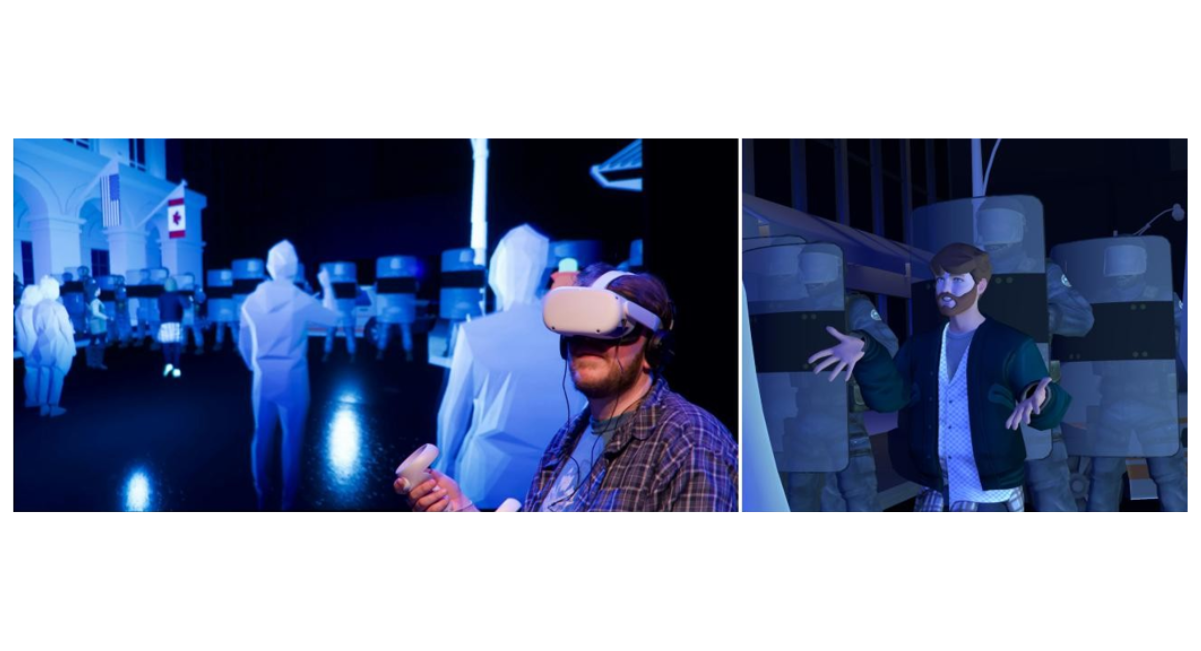
Figure 6: Scenes from the play You Should Have Stayed Home. Left: In person performance. Right: Performer in avatar Source: Festival of Live Digital Art (FOLDA).
Moreover, in this play, immersing audience was highly prioritized by placing them in the core of the action. This innovative and hybrid theatre utilized digital technology to provide three unique modes of audience participation which were: VR immersion, livestream viewing, and in-person attendance at the Festival of Live Digital Art (FOLDA). These different modes offered different stages of engagement for the participants. Audience who used VR could directly interact through avatars in the virtual environment, manipulate objects, and experienced social immersion. On the other hand, those audience participated in the livestream viewing experienced the real-time action with accessibility features like ASL (American Sign Language) interpretation. Lastly, the in-person audiences witnessed a behind-the-scenes view about the preparation, presentation and the technicalities of the VR performance by watching both the performer and the virtual world simultaneously. This unique experimental approach to audience interaction and engagement significantly broadens accessibility and minimizes the limitations of virtual theatre [76,77].
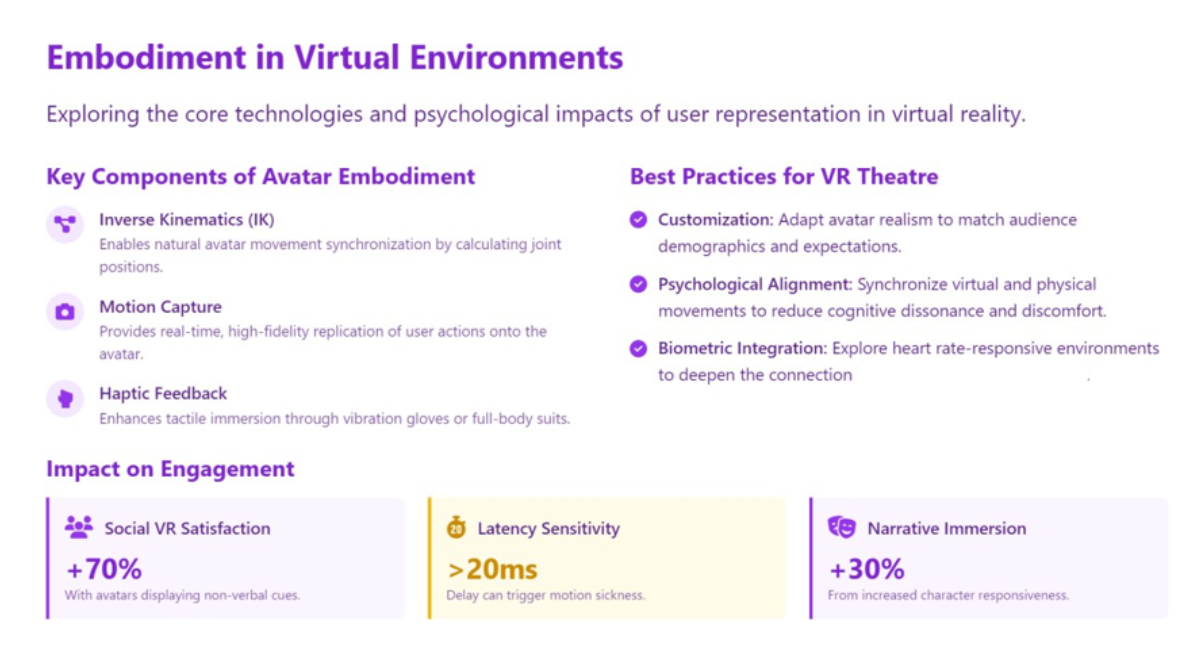
Figure 5: Embodiment in Virtual environments [ Source : You Should Have Stayed Home: How to Captivate an Audience in VR Theatre (2022)]
During the play in the VR mode, participants can create avatars to interact with the performer within the virtual spaces. This helps to evoke the narrative’s emotional state of the audience that positively impacts the audience’s relationship to the play. This experience helps them to embody the performance by witnessing and enacting the elements of the story. There are voluntary and compulsory interactions (in the play, “You Should Have Stayed Home”) like picking up protest signs with the actor or following the police instructions. This practice clearly aligns with the recently conducted theories of immersive and interactive theatre. Notably, along with facilitating interaction, accessibility and engagement, VR platforms may also cause obstacles such as digital literacy and information overload [77-78].
Meanwhile, participating in-person at VR theatre and livestream come with a major challenge of level of audience getting close to the story. Audiences who experience the livestream mode get the benefit of accessibility features like real-time translation and sign language interpretation. However, their activity in the performance is passive and limited as they only watch the performance but don’t interact directly with the act or performers. Similarly, the in-person audience get to see the performers and the overall technical process live but still they are not directly involved in the action within the virtual world. It’s only the VR participants who can directly involve, engage and interact with the story and modify the experience alongside the performers. The comparison of different aspects of participation highlights the difficulty in digital theatre and the limitation of participation in the virtual world [79].
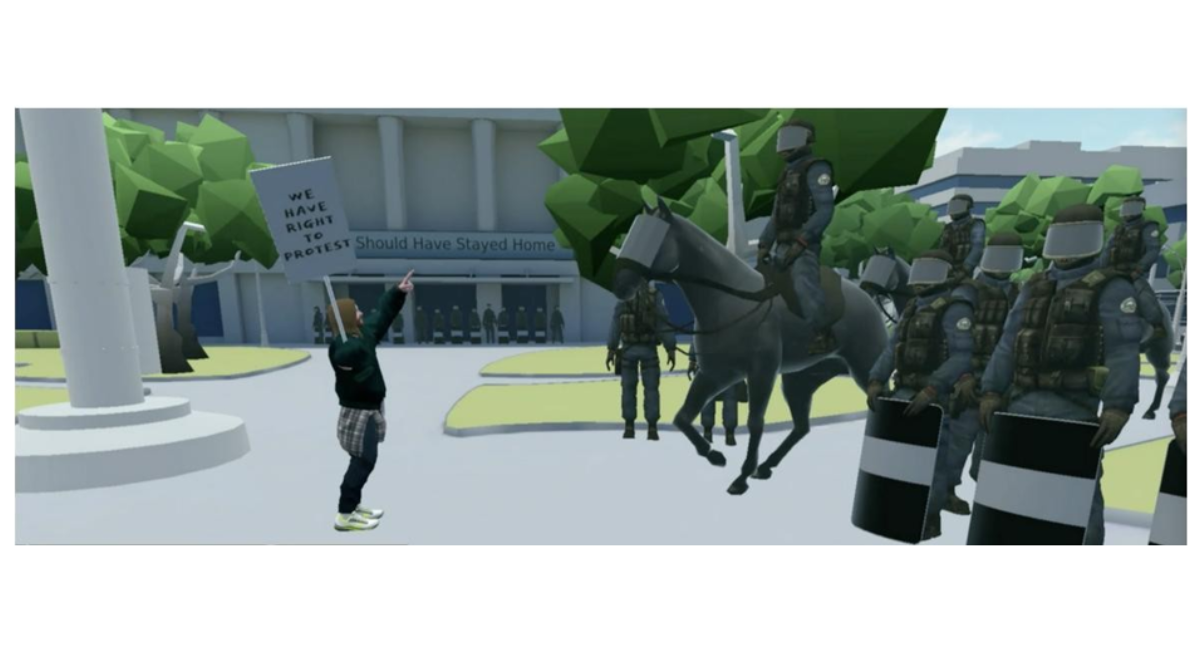
Figure 6: Participant picking up police sign (Play: You Should Have Stayed Home)
Digital Accessibility and Inclusivity in Virtual Theatre
Digital accessibility refers to the multidisciplinary integration elements and aspects like hardware, software, UX design, training, content, and standards that promote inclusivity for users of all types [80]. Digital accessibility is a dynamic concept which ranges to a various dimension that concern physical and cultural environments of the users [81]. As the concept has dynamic and diverse character, it is considered to be evolved as an umbrella concept which is also concerned about the people with disabilities [82]. There is an emergence in the research works that highlight accessibility related to age by concerning on the elderly people and children who often face obstacle in digital environments [83,84]. Digital accessibility is a vast concept which has been evolved as a dynamic, diverse and multidimensional. It has the influence of both cultural and physical contexts [85]. Digital environment is becoming complex with its advancement and extension of tech elements and features. There are limited existing reviews on this with qualitative analysis and limited sets of data [86]. Hence, it is crucial to identify the progress and gaps in accessibility studies where the focus is narrowed to only web accessibility whereas, digital accessibility is beyond merely just web accessibility [87].
Virtual art environments with various interfaces act as a bridge to connect deaf and blind viewers and artists. The approach can be multi-layered that focuses in promoting inclusivity through digital arts. This presents the significance of inclusive and universal design, communication as the main components to build an accessible space in virtual theatre [88]. Digital art has been prevalent at homes, workspaces, cybercafes and any public or private space with the facility of wireless or mobile internet [89]. Humans usually experience surroundings through multiple senses, which makes them unique. Digital artworks are appealing to the senses either individual or multisensory. There is no object to sense, but the experience which is intangible. It’s the artwork itself that the audiences experience [90]. However, the degree of engagement and involvement of the senses rely on individual capability and characteristics of utilizing the senses. For instance, the senses like vision, vibration or movement are necessary for a deaf person to experience the show. On the contrary, for a blind person senses like smell, touch, taste and or, sound are crucial aspects to witness the performance. To implement this concept, Andy Warhol Museum in Pittsburgh has the facility of a guide which facilitates the blind audience to experience the works without any barrier. This consequently makes the author’s work and life accessible to the blind or visually impaired individuals. This facility includes audio guide and tactile reproductions of numerous works by Warhol [91].
The American foundation for the blind published the book, Art Beyond Sight: A Resource Guide to Art, Creativity and Impairment, Art education for the Blind in 2002 which was one of the pioneers in analysing the perspective of art for the visually impaired people. It focuses art from both the creator and the audience’s perspective in terms of how they create and experience art respectively. Moreover, partially or completely blind people are well able to comprehend the perspective and depth of the art [92]. Virtual Theatre has the potential to minimize users’ limitation and barrier in watching traditional theatre performances. This makes Virtual Theatre ideally an accessible platform for a wide range of audience. This benefits people with disability, limited mobility, remote dwellers, introverts, and those who are unable or unwilling to attend live theatres due to preferences [93]. Moreover, performance in Virtual reality theatre do not appear as a threat to traditional theatre. Additionally, it could improve the opportunities for the people finding difficult in accessing theatres.
In 2021 to 2022 a study was carried out in the UK with 166 participants that included regular and non-regular theatregoers along with the audience with physical or mental health impairments, or merely the ones finding difficult to access theatre due to long distance or cost. In the experiment, participants were given VR headsets to experience theatre show that was produced by VR theatre company named LIVR with 360° camera. As it was a wide field of view, participants could experience a real-like show within the virtual environment. The audience were then asked to share their experience regarding immersion, engagement and accessibility. The research reported that the participants thoroughly enjoyed the art and witnessed the show with no outer distraction. However, it was reported that the social aspects of connection were missing during the whole experience. Audience could not interact, laugh or cheer with each other. Respondents also reported that virtual theatre has its own unique experience having, but not strong and adequate to replace the traditional theatre [94]. The crucial purpose of this technology is that it can achieve the accessibility that’s needed for a pleasant theatre experience for the people of any disability and the novice theatre goers. Furthermore, VR at homely set up can encourage the audience to experience the content at the comfort of their homes which would not be the case if it was for live theatre [95]. The study focussed on the significance of the theatre for social wellbeing. To summarize, the benefit of the theatre watching must be accessible either in traditional or virtual environment [96].
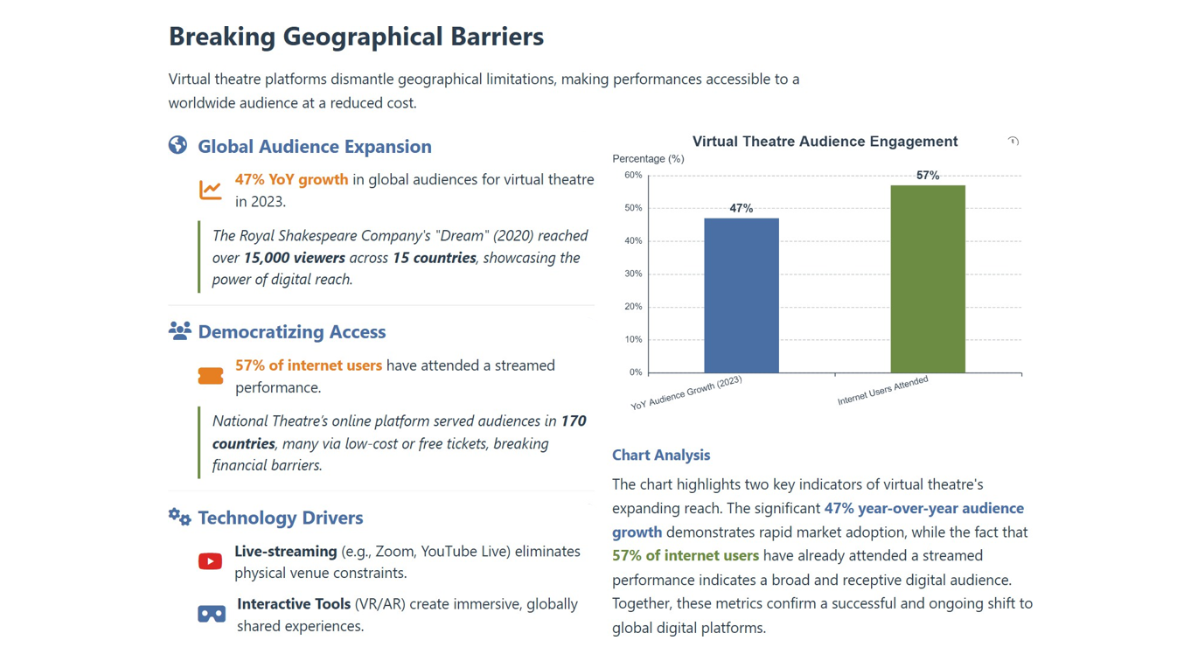
Figure 7: Expansion of Virtual Theatre [Data Source: https://www.theaterscene.net/features/virtual-theater/jack-quinn/
Fig. 2.6.1 demonstrates that in 2023, global views of Virtual Theatre by the audience was increased by 47%, as per the report by Allied Market Research. Traditional theatre has always been a matter of local experience where audiences attended live performances physically in real venues. However, in current days virtual theatre has emerged with a platform for artistic expression which is breaking the geographical barriers for the global audiences. This provides endless opportunities for anyone to experience theatrical content easily from any parts of the world. The transformation from traditional to virtual theatre has significantly improved access for global audiences. Additionally, it has opened doors for innovative forms of artistic expressions. The art is now not only confined to stage in a particular city or country, but it can be streamed in real-time for virtual audiences globally. Moreover, global audiences from urban or rural communities can easily access theatre from the comfort of their homes that was almost non-existent even a few years ago. Not only they can experience the virtual theatre passively, but also audience can enjoy the interactive elements allowing them to interact and engage with the performers or even alter the direction of the story. As per the report of Statista, approximately 57% of internet users around the world have experienced live-streamed shows of some forms, which also includes virtual theatre. This portrays the endless potential of virtual platforms for theatrical experiences [97].
Digital and virtual technology have been integrated in almost every aspect of human lives. Already by 2020, users were involved with digital media almost more than 12 hours a day. The easy access to digital technology is crucial for participation and involvement in the modern society [98].This importance of this dependency has been notable during the Covid-19 pandemic, whereas the lack of digital accessibility caused barriers in social interaction, engagement and economic matters. To tackle such situation, the European Accessibility Act has raised the significance of accessibility and inclusivity in the digital spaces. There is consistent gap in accessibility across various regions, demographics, and level of disability, which imposes threat to equal access to online opportunities. However, this gap is responsible for the increase in global dispute on inaccessibility which was recorded to be 4,605 cases in 2023 [100]. Also, 1.3 billion different types of people with disabilities continue to experience digital barriers.
However, an exceptional case was recorded in 2020 when a deaf person named Dylan Panarra filed a lawsuit against HTC Corporation for not providing captions in its virtual reality and making it inaccessible. Reportedly he won the case but left a question “how many accessible features are missing from VR experience?” The metaverse and other platforms are constantly evolving with advanced technology. They need to address the accessibility barrier considering the wider audience including people with disabilities. If the inclusion of accessibility features is not ensured, it may further elevate the digital divide which will hamper the goal of ensuring inclusive society. As discussed by Prof Virtual Reality is a platform where creators can generate user friendly accessible content for a broader audience, especially for the people with disabilities. In traditional theatres audiences with disability often face the barrier to visiting physical locations, which is difficult. However, with VR theatre, audiences can overcome the obstacle and experience art from anywhere in the world, which makes it more accessible to audiences globally. Audience can experience art in a meaningful way if the shows are exhibited with assistive tools such as multilingual subtitles, audio descriptions and text-to speech technology. This practice will make it more inclusive for people with visual or hearing impairments. This will not only help the creators to connect with new audiences but also promote more inclusive and diverse art community.
The importance of digital accessibility and its implementation in theatre platforms and various forms of digital arts have been emphasized in The Digital Accessibility Handbook for Libraries (2025). This can be achieved with the help of assistive technologies, universal design principles. Moreover, inclusion can be systematically embedded into the digital environment to cater to the needs of the diverse users irrespective of their abilities. This equally applies to the audiences of virtual theatre, where it’s legally and ethically crucial to ensure easy access to the users with disabilities. Digital platforms can make the theatrical performance available and accessible for a wider range of audience by considering the aspects of culture, inclusivity and accessibility in theatre. In the study of Yakub they highlight the significance of live captioning, sign language interpretation, and adaptive technologies to ensure an inclusive theatrical experience in both traditional and virtual environments. The author Laurenti highlights one of the first mixed reality theatre projects in the paper Virtual reality meets theatre: an accessible experience for deaf and hard of hearing people (2025). The paper emphasizes on accessibility for deaf and audience with limited hearing abilities. It also highlights the significance of assistive features like captioning and content design which is more crucial than just dialogues. Additionally, synchronized cues in the play with innovative feature like speaker identification with colour cues are some of the effective ways of ensuring accessibility.
Users’ Digital Literacy
Digital literacy is "the ability to effectively use and evaluate information" [108]. that basically focusses on the user’s ability to comprehend and access digital information. The term was first presented during the late 1990s as “the ability to understand and use information in multiple formats from a wide variety of sources when presented through computers”, specifically using the internet. The capacity to use digital technology securely and appropriately to access, manage, comprehend, integrate, communicate, evaluate, and generate information is known as digital literacy (UNESCO Institute for Statistics 2018, A Global Framework of Reference on Digital Literacy Skills for Indicator 4.4.2). Moreover, digital literacy is applicable and necessary in operating systems navigation, and software applications along with recognizing and evaluating digital media in its different forms, such as pictures, videos, and articles on the internet. Also, the knowledge about cyber risks, privacy problems, and solutions to secure personal information come under Digital Literacy. With the evolving technology, it is crucial to update the users with proper knowledge to have a safer digital space. The UNESCO Institute for Statistics indicates that digital literacy can be established following these frameworks:
Transmission Framework: It indicates that digital literacy is primarily a set of skills that students and teachers need to acquire. Once the teachers acquire these skills, they can be transmitted to the students through teaching practically. Transmitting knowledge may include basic computer literacy, internet skills and familiarizing yourself with basic software and hardware.
Socio-cultural Framework: This highlights that learning can be influenced by socio-cultural norms and practices which teenagers are familiar with. It highlights the significance of social and cultural elements in influencing people's use of digital technologies and interpreting them. Also, social activities, and cultural contexts help users build various skills and practices that make up digital literacy.
Transformative Framework: This is the framework which sees the users with a transformed and empowered individual by using various platforms like Facebook, YouTube or Instagram. Content creation, blogging, and awareness campaign promotion can enable them to implement this framework successfully. It also highlights the possibilities of digital technologies and focuses strongly on critical thinking, creativity, and social involvement as crucial components of digital literacy. This framework has been immensely fascinating to me as it does not only concern the technical skill and interest of a user, but also concerns the creativity, opinion and cognitive thinking of the users .
Digital literacy recognized increasingly as the basic requirement to use digital environments. Review by Carlsson et al. (2024) highlights that digital literacy merges information searching skills, technical proficiency, critical evaluation and digital information needed for decision-making in the virtual environment. Freina and Ott (2022) and Guerra-Tamez (2023) suggest in their work that, digital literacy in VR centric art improves a deeper engagement between the user and the immersive tools which helps to develop reasoning in the virtual environment and enhances technical fluency. It emphasizes that user literacy is not just about the digital tools used, but also about usability, adaptability and/or, critical thinking which are immensely crucial for engaging participation in the digital arts and virtual reality environment.
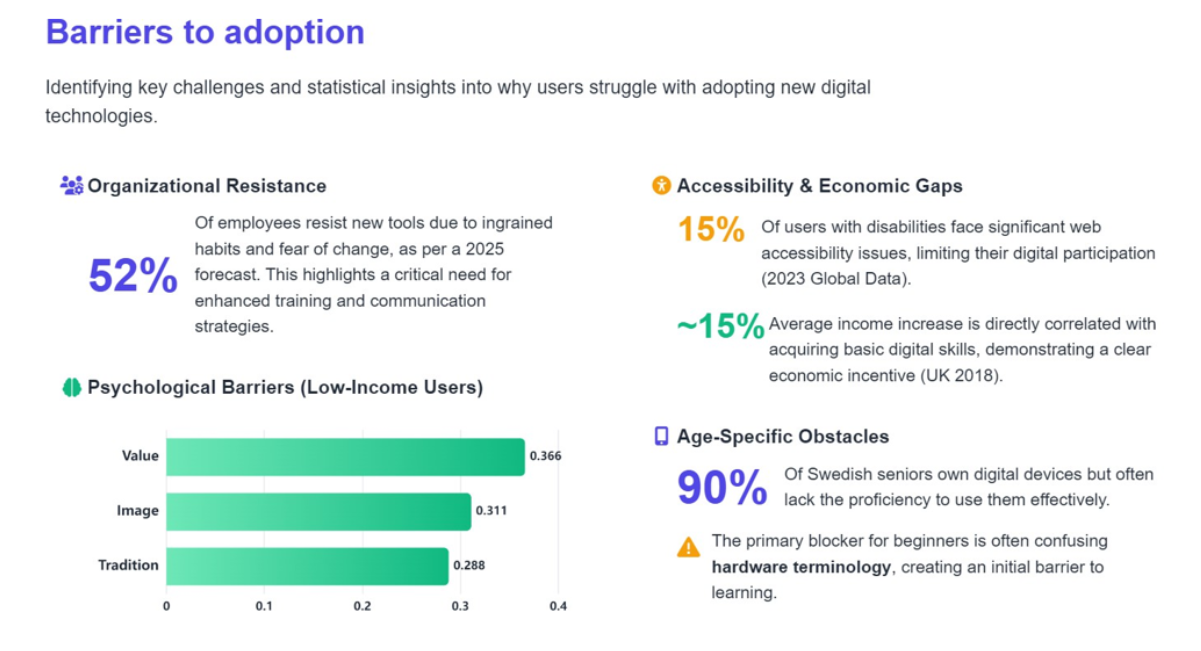
Figure 8: Challenge in adopting new technology [Source: https://mooncamp.com/blog/digital-transformation-statistics]
Figure 2.7.1 illustrates that more than half of the employees avoid new digital tools due to lack of habits and fear of change. This poses an urgent need for individual training and effective communication to mitigate the challenge associated with this shift. Studies estimate that 90% of Swedish seniors have digital devices but a majority of them lack the ability to use them efficiently. The reason being complex hardware terms that pose as obstacles. This suggests that dedicated education and simplified language are necessary to enhance digital literacy among older adults.
METHODOLOGY
In this chapter, the methods used to conduct the research is highlighted. In collaboration with Second Theatre, a projection of the virtual drama was planned by inviting participants aged from 24 to 31 within Tampere University. With their participation and experience in the virtual play, a mixed research method of qualitative and quantitative was conducted. They were given a set of research questionnaire to articulate their in hand experience about the usability, interactivity, accessibility and overall take on the virtual performance. The aim of the method is to identify and investigate the possible outcomes of the research question mentioned in the introduction section.
However, the feedback provides useful insights about user expectations, design considerations, and areas where accessibility feature can be integrated. Therefore, the absence of participants with disabilities has been acknowledged in the Limitation section below and recommendations have been made for future research to involve a diverse participant including the people with disabilities to ensure data accuracy.
Research Collaborator: Second Theatre
Key Business Concept and Modality: Second Theatre has recorded plays in the most prestigious European theatres, including Royal and National theatres and the most interesting independent theatres. Their opening act is a play by the Finnish National Theatre named “Hairdressers”. Portrayed by the Finnish National Theatre, this play is a poignant, humorous, and close-knit story of friends who are fighting to maintain their hair salon while coping with calamity, men, and family. The modality is that “Second Theatre” places their application in Meta Quest 2 and 3 goggles to be accessed by users After subscribing, the users can enjoy the uploaded content. They record the original plays in 3D with movie-grade cameras from manufacturers, including ARRI and RED. The three-dimensional illusion makes the experience immersive for individual audiences. This is the current business and operational scenario of the company after launching the first play. As they just launched this on their platform, the goal of this project is to identify what measures the company takes to provide an interactive and enjoyable theatre experience for the audience.
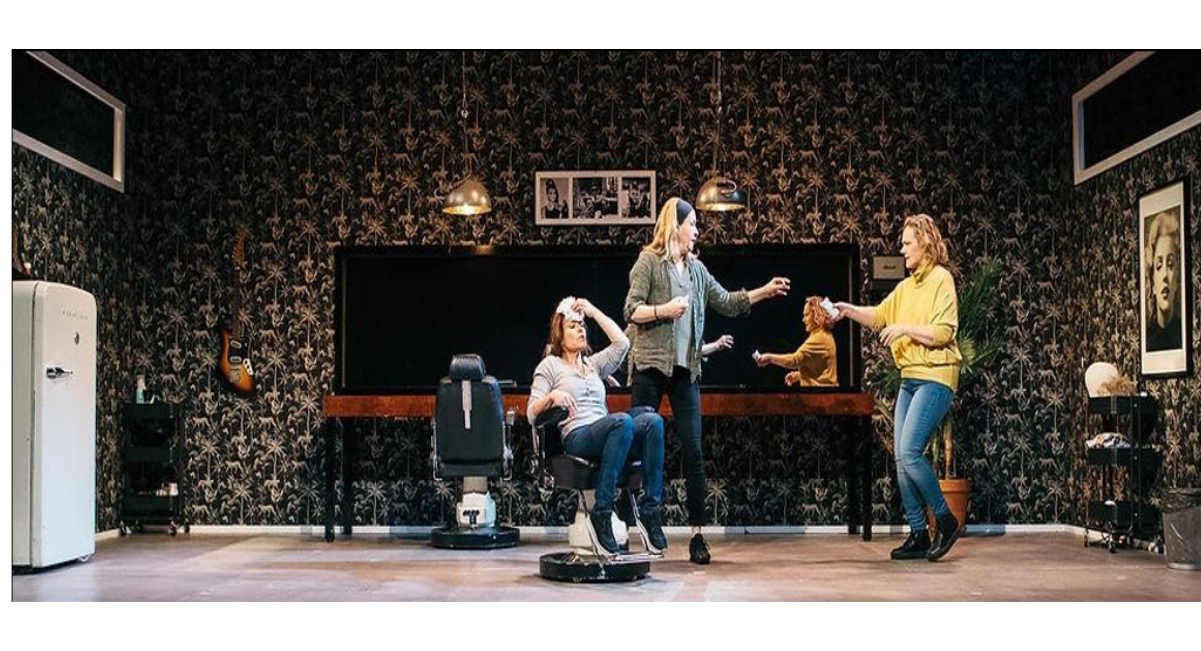
Figure 9: Clip from “Second Theatre’s” first play “Hairdressers” by The Finnish National Theatre
Current Scenario of Second Theatre: Recently, “Second Theatre” has launched the beta version of the application where they are offering test users to try their services. The organization says that even though the plays are virtually shown and the audience is not present physically, the power of storytelling still has an impact. Viewers may experience genuine emotions as if they were in the front row thanks to VR's flawless capture of these small details, which include facial expressions and passionate line delivery.
As a digital theatre platform, it gives the users the option to personalize the VR experience. They can change seats and angles virtually. Audiences can choose to keep a virtual audience around them or even watch it alone by occupying the whole theatre. The company also aims to partner with traditional theatre companies, artists, and producers to produce a variety of performances, including dramas, experimental theatre and musicals.
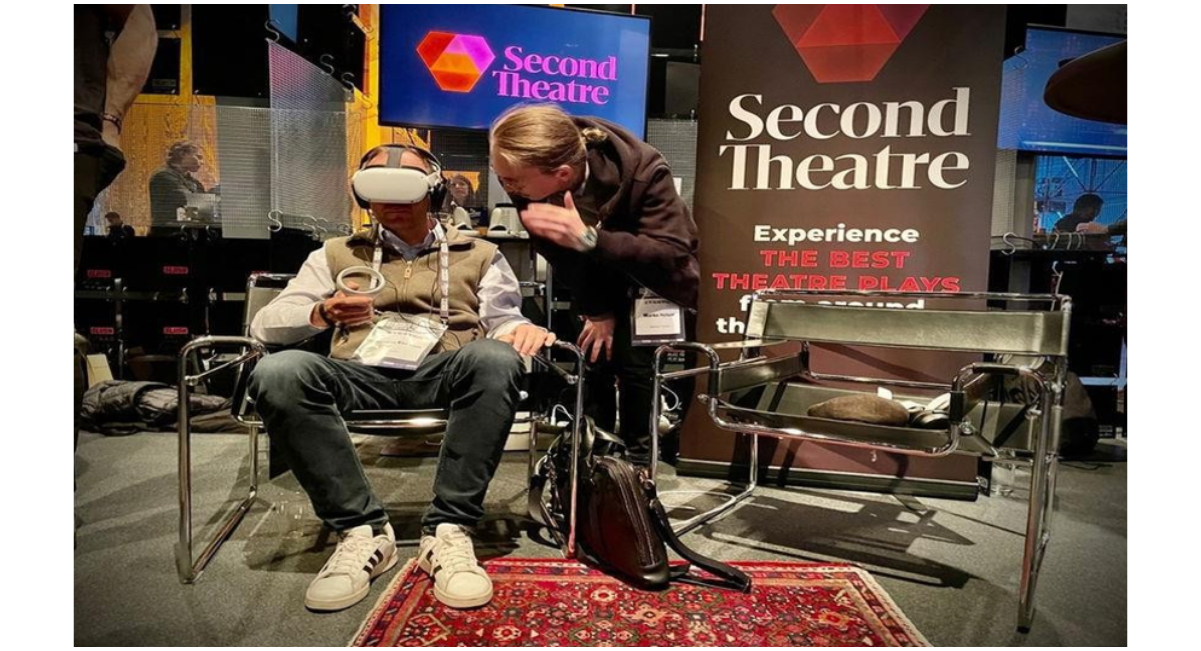
Figure 10: Audience experiencing virtual theatre
Upon discussing with the CEO, we have been informed that the company has a vision to improve the theatre experience both technically and content-wise. As far as the problems are concerned, the company is equally concerned about sustainability, and they plan on working on it. For now, the project focuses on the overall business strategy and the current issues faced by this new company. The organization says that even though the plays are virtually shown and the audience is not present physically, the power of storytelling still has an impact. Viewers may experience genuine emotions as if they were in the front row thanks to VR's flawless capture of these small details, which include facial expressions and passionate line delivery. As a digital theatre platform, it gives the users the option to personalize the VR experience. They can change seats and angles virtually. Audiences can choose to keep a virtual audience around them or even watch it alone by occupying the whole theatre. The company also aims to partner with traditional theatre companies, artists, and producers to produce a variety of performances, including dramas, experimental theatre and musicals. Second Theatre claims that it is possible for viewers to immerse themselves in lifelike 3D theatre productions with friends or total strangers. Not only can they view the same show simultaneously, but they can also easily chat with one another via the VR app. Because users can express their ideas in real-time, this social aspect adds an entirely new level of excitement.
Research Method
The main experiment follows the mixed method of data collection and audience research practice. This method utilizes both the qualitative and quantitative methods to establish a comprehensive understanding about the way technical adjustments and user behaviors can influence the final output. Previous research works on VR theatre utilized various methods with majority of them utilizing the mixed methods approaches that combines both the qualitative and quantitative data collection. This approach has been proven to be effective in exploring user experience, immersion, engagement, and address the technological challenges in virtual theatre contexts.The questionnaire consisted of quantitative questions to conduct survey and usability tests with closed-ended questions. This was done to measure the degree of feelings such as immersion, familiarity with device, comfort, fatigue, language barrier, sensory adjustments and interface features. Quantitative analysis provides a scope for comparing and identifying trend among various user .
Moreover, the qualitative set of questionnaires focussed on interview and open-ended questions that recorded the subjective perspective, accessibility barriers, platform familiarity and level of user literacy. Qualitative analysis helps to identify themes, personal opinion, and participants’ feedback on interface and accessibility features. conducted interviews with participants and analysed contents to investigate empathy and emotional connection within VR theatre setup. This helped to explore complex way of experiencing the storytelling which can be expressed beyond numerical measures. Besides this, quantitative research in VR theatre relies on structured surveys, experimental designs, and user testing to collect data numerically. This approach involves ratings, multiple choice questionnaires, and statistical analysis to identify patterns and general trends.
The questionnaire consisted of a set of 31 questions which is a mixture of both qualitative and quantitative questions. Any medium of entertainment such as Cinema, Theatre, Music are evaluated through audience/viewer reviews and feedback. In this experiment, the similar module has been adapted where the user feedback would act as the survey data to be used for the thesis. The question patterns were also designed in a way that they could express their immediate experience of the projection without having to think much. The questionnaire was prepared similar to a feedback form which the participants could fill out conveniently. The core idea of this experiment was to entertain the participants with the virtual play, introduce Second Theatre to a new section of audience and collect data as part of this thesis.
Experiment Setup
To facilitate the experiment, the author of this thesis proposed to the collaborator to conduct a virtual theatre projection session where participants would be chosen voluntarily and Second Theatre would coordinate along with the supervisors and researchers at Tampere University, City Centre Campus in Finland. The idea was to project a theatrical play named “Two Phone Calls” produced by Second Theatre to the participants via VR headsets. To initiate the experiment, an invitation was circulated within the Tampere University student community through online link. The experiment date was set on 29 April 2024 as a part of which a decent sized space was pre-booked and all the necessary equipment such as Virtual Reality device and headsets were booked, checked and prepared for the projection.
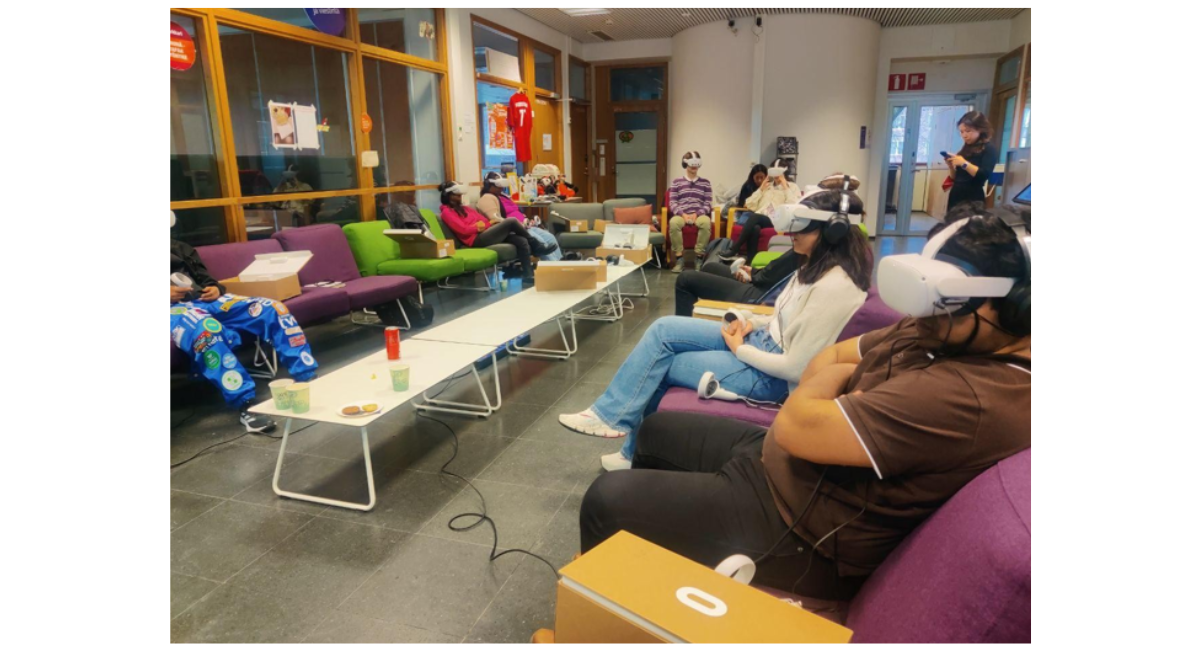
Figure 11: Participants experience VR theatre at Tampere University (April 2024)
Two Phone Calls is a virtual drama directed by Tuomo Rämö which ahs been produced for Second Theatre. The duration of the play is 55 minutes with the performance by Outi Condit and Iida-Maria Lindstedt. The act demonstrates how a phone becomes a powerful tool that has the power of deception, authority, and exposure. The actors are seen to use the phone as a primary object to show how power can be used, expressed and manipulated through telephonic conversations. Moreover, the play portrays the power of non-fiction in reflecting political power structures.
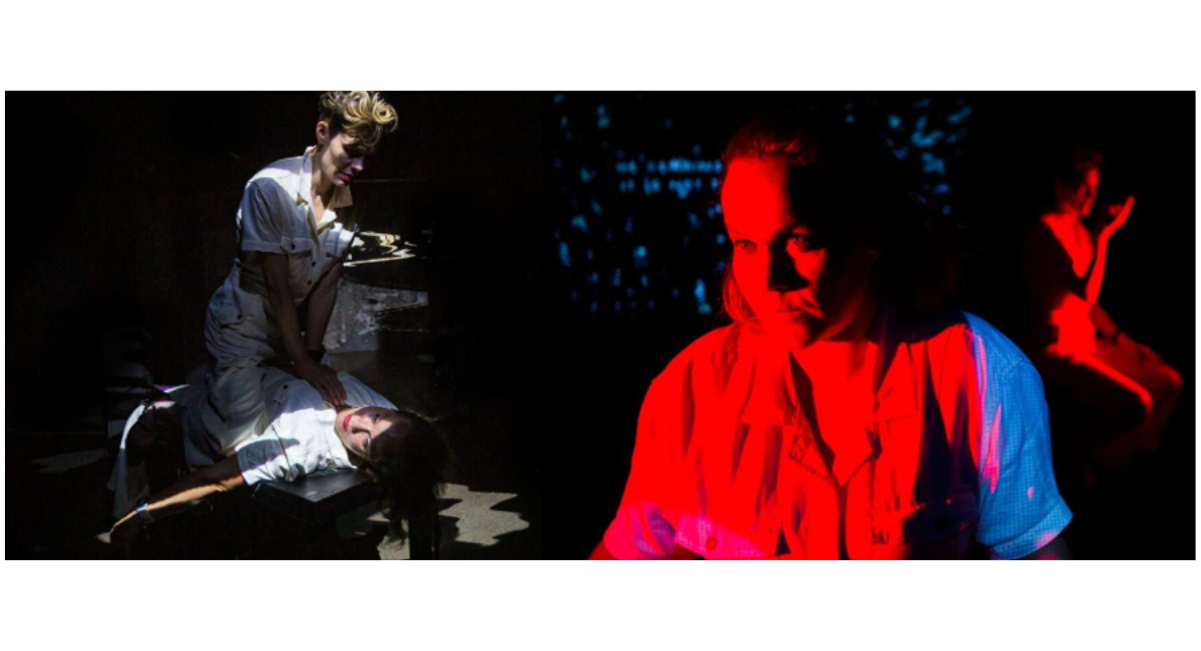
Figure 12: Clips from the play: Two Phone calls
Technical setting: Firstly, the participants were introduced to the project and briefed the activity. They were received by the volunteers and hosted in the designated area. Then the ten participants were handed over one Meta Quest 2 VR headset each. They were instructed on how to wear it and adjust as per their requirements. After the instruction when all the participants were ready, the pre-recorded play “Two Phone Calls” was played simultaneously in each VR devices. During the play, researchers and data collectors ensured a swift viewing experience by each participant by constantly monitoring the entire session. Some participants faced minor technical issues such as hardware glitches, synchronization and unfamiliar instructions which could disrupt the experience. This could be fixed with the help of the facilitators which can reset the intended setup and restore the flow (Nagele et al., 2021). During the projection, the team members from Second Theatre were proactively present with the research group to facilitate the experiment successfully. The idea of the session was to make them experience the interactivity and immersion of virtual theatre.
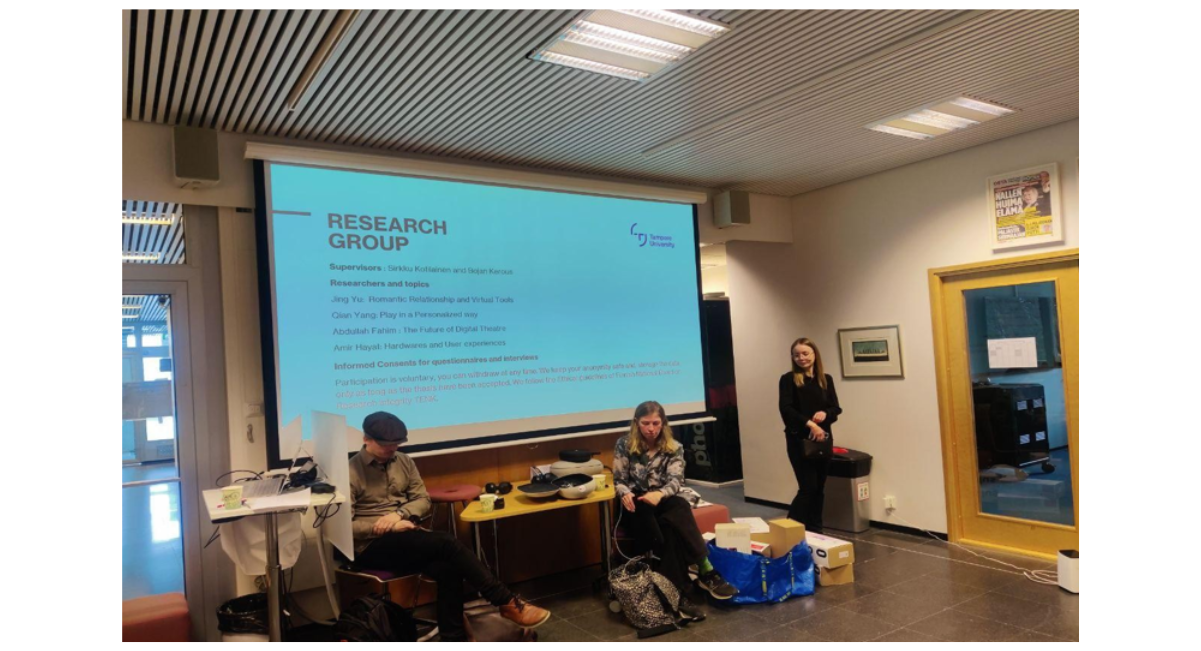
Figure 13: Team Second Theatre during the experiment
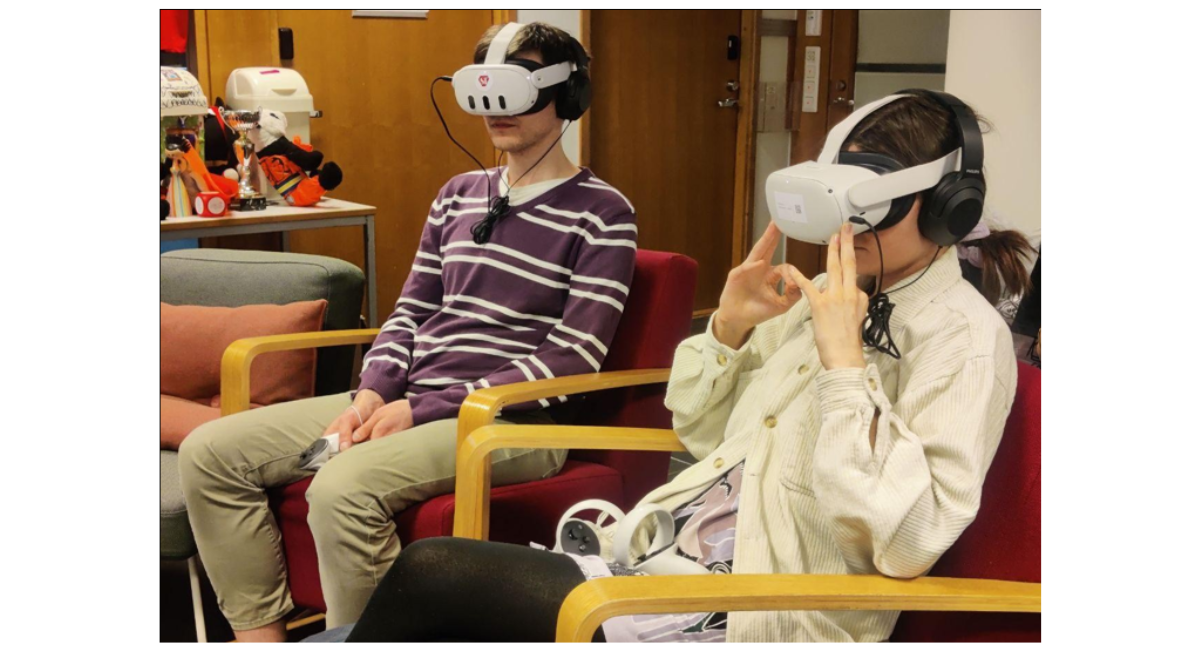
Figure 14: Participants in the middle of the play: Two Phone calls
Questionnaire breakdown and post experiment activity : Once the participants completed the experiment, they were given a set of questionnaires to be filled in. The questionnaire was already prepared which consists of basic introductory questions, prior experience about using VR device, comfort, immersion, interactivity, accessibility, engagement and overall user experience. The question about accessibility was given to address and understand the obstacle faced by users like sensory adjustments, subtitles, audio descriptions, and user interface. Moreover, all these elements play a crucial role to understand the accessible experience of the virtual theatre by different participants .
Furthermore, questions on interactivity were included to explore the level of interactive elements like participation, collaborative tasks, and engagement with performers and performance. Additionally, the survey included question to understand users’ immersion, spatial presence, and co-presence with fellow participants. It also helped to explore how real the participants felt in the VR environment Besides the possibility of losing the track of time and surroundings was also addressed through the question .Several questions were included to examine the usability of the device, comfort, emotional response (pleasure, anxiety, fatigue, or frustration), and technical problems experienced during the VR play.Lastly, the set also consists of questions focussing on the aspects of social interaction within VR space. It asked about the use of avatar, communication, and how the user felt by connecting to both the play and other viewers.
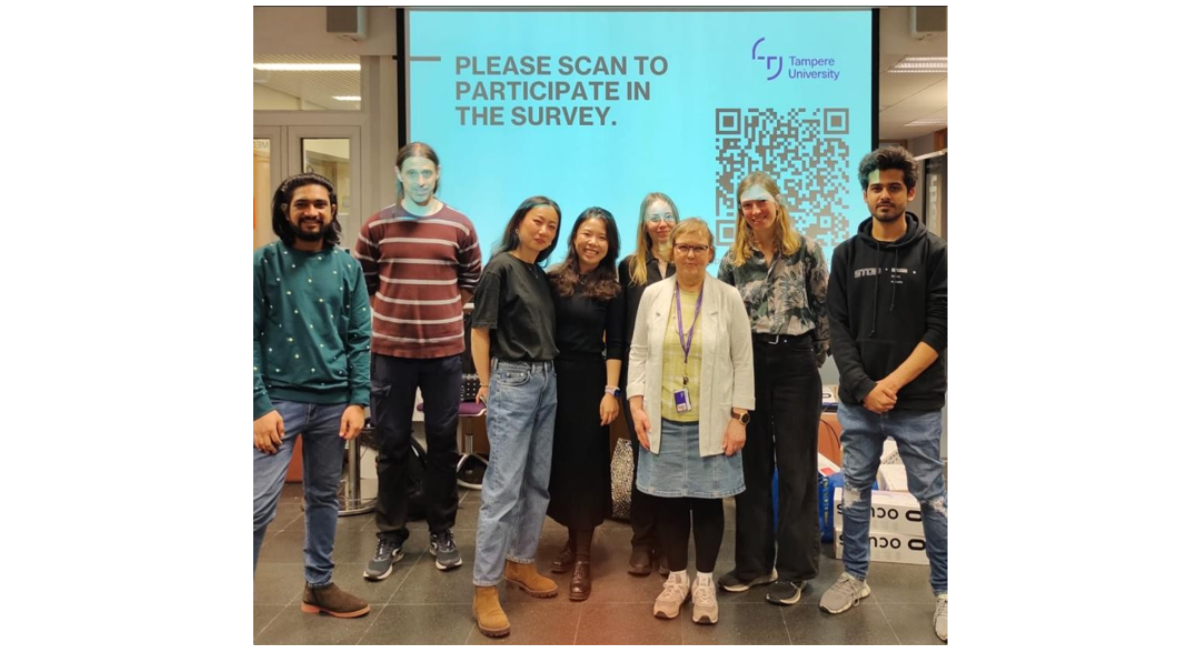
Figure 15: Tampere University research group with Second Theatre, April 2024
Participant selection criteria: The age group of the participants were determined by analyzing the nature of the study and considering the topic. Young adults are more familiar with the modern technology such as VR and AR. Considering this, an age range of 24 to 31 years was determined to invite participants. Young participants are chosen for VR theatre experiments as they have comparatively high digital literacy. Also, they are more familiar with new immersive technologies. This enables quicker adoption, reliable feedback, and active engagement in the survey. Research shows that young participants show better willpower and enthusiasm in using VR platforms. Moreover, they have lower rates of fatigue induced by technology. Further studies suggest that young participants can navigate VR much easily. Moreover, their participation can offer richer insights on immersion, interactivity, accessibility and engagement.
The selection was done based on the participants’ voluntary autonomy. Random individuals volunteered by accepting the invitation sent out to the general students. No primary filtration was done in selecting the participants as it was selected irrespective of backgrounds and study programme, gender and age. They were informed about the tentative duration of the study and about the experiment environment.
Data Collection and Documentation
Data collection in VR theatre research generally involves a blend of qualitative and quantitative methods to broadly provide understanding of user experience, usability, and technological interaction. Questionnaire often includes Likert scale, multiple choice, yes/no questions and/or open-ended questions. This helps researchers to systematically record participants’ feedback on immersion, usability, accessibility and engagement in VR theatrical experience .
Initially, the data was collected with the help of online survey tool after the participants finished watching the play. They were asked to scan and access the questionnaire digitally right after the play to acquire the freshly experienced raw information right form their recent memory. Besides the written documentation, the session also included casual discussion to know about the respondents’ immediate reaction to the experience.
The primary data was collected in the presence of the participants at the venue. The first five questions collected demographic data (age, native language), frequency of use, type of VR experience, and general interest in theatre. This section was necessary to profile participants’ familiarity with VR and theatre. Questions 6 to 8 resulted in data on the importance of interactivity and desired interactive features to be implemented near future. It also resulted in data on which elements participants found engaging or immersive. It aimed at identifying user preferences regarding interactive features of VR theatre. One of the most concerning questions was asked in questions 9 to 10 where participants’ preference for either traditional or virtual theatre was recorded.
However, the question 11 to 16 explore participants' intimate status during VR performance which is required by another co-researcher whose has a different research topic. This question was merged due to the joint nature of the data collection. Furthermore, questions 17 to 22 helped to acquire data on participants’ physical presence and feeling of being “there” in the VR environment and their desire to interact with the virtual performers. Also, data was collected about the content quality, feeling of motion sickness, and visual discomfort. Lastly the questions from 23 to 31 addressed topics such as language barriers, impact and usefulness of subtitle, clarity of language, and overall user interface. These segments gathered insights on the role of language understanding and accessibility features in VR experience and immersion.
The documentation involved careful organization and record to ensure data integrity.Most importantly, participant anonymity and ethical considerations were core focus of the data collection process. The multi method approach helps in VR theatre research to identify both measurable and experiential responses about the immersive performance.
Ethical Considerations
Ethical consideration in VR theatre research is crucial to ensure participants’ protection, respect, integrity and trust in the process. Scholars emphasize the significance of informed consent to brief the goal of the study, procedures, and possible risks like motion sickness, psychological impact, and data collection before their involvement. Considering this, the participants in this study were well informed about the entire process, possible discomfort, confidentiality and anonymity. Anonymity and confidentiality are fundamental requirement where personal and sensory data are concerned. Anonymity protects participant identities in quantitative, qualitative and mixed method of experiment. There are privacy frameworks like GDPR and CCPA which implement the policies in data collection, processing, and storage. Particularly in VR environments where the participants often provide their biometric and behavioral data. After carefully collecting the data, the data was shared among the research group and safely stored for the thesis purposes.
DATA ANALYSIS AND KEY FINDINGS
The data was collected with the help of mixed methodology. The questionnaire consisted of 31 questions that included data about participants’ demography, frequency and experience of using VR, traditional vs. virtual theatre preferences, interactivity, immersion, accessibility and overall experience about the session. As mentioned earlier, the ages of the participants varied from 24 to 31 years, and the gender was randomly selected.
Narrative analysis
Demographic: The responses have been described and discussed here in this section to provide a clearer idea about the data collected. The average age of the respondents was 27.8 years. The respondents had a prior VR exposure is common.
Interest in Theatre: Moreover, respondents were asked to rate their interest in watching live traditional theatres on a scale of 0 (no interest) to 5 (very high interest) and the results were:
(No interest): 2 respondents (20%),
(Low interest): 1 respondent (10%),
(Some interest): 1 respondent (10%),
(Moderate interest): 1 respondent (10%),
(High interest): 3 respondents (30%),
(Very high interest): 2 respondents (20%)
Interest in theatre as per the responses is polarized. Half showed strong enthusiasm (4–5), and 40% indicated low/no interest (0–1). This suggests that VR theatre may attract the traditional theatre enthusiasts.
Previous experience: Users was found to be 80% (8 out of 10 users) who used VR device before. When asked about the frequency of VR usage by the participants, 50% (5 out of 10) of respondents said that they are not regular whereas, 30% (3 of 10) of respondents said they use it rarely. 2 participants responded to use it weekly and daily respectively which comprises of 10% each. Among their usage, gaming is the most common prior VR activity (38%). However, respondents also shared diverse experiences like research, installations, and interactive applications that shows respondents were exposed to VR in different contexts. The type of usage as described by the respondents were:Game: 3 respondents (37.5%)
Game, development, videos: 1 respondent (12.5%)
Research: 1 respondent (12.5%)
Movie, interactive applications: 1 respondent (12.5%)
VR typing study: 1 respondent (12.5%)
VR installation in museum: 1 respondent (12.5%)
Importance of interactivity: When asked about the importance of interactivity in the Virtual environment in a scale of 0 to 5, the majority (70%) of the participants rated interactivity as very important (4–5). This shows that participants strongly value interactive elements to get engagement and immersion in VR theatre.
(Poor): 0 respondent (0%)
(Fair): 1 respondent (10%)
(Good): 3 respondents (20%)
(Very Good): 4 respondents (40%)
(Excellent): 3 respondents (30%)
Preferred interactive elements (Open ended): When asked to know the kind of interactive elements participants prefer to see included in a virtual theatre, some of the recorded responses were:
Participant X: “See others in audience who are watching at the same time”.
Participant Y: “Being with other people, changing the course of the plot somehow”.
Participant Z: “Live audience, different narrative roots (ludic elements)”.
In this section the responses of the participants indicate their preference for social and sensory interactivity. They prefer VR theatre to go beyond merely a passive experience. Rather they desire it to build connection with audience and/or, the performers.
Most enjoyed feature (Open ended): In this section, participants responded with subjective preference of the elements that they enjoyed during the session. Some of their responses were:
Participant A: “Being able to look around at different actor's expressions”.
Participant B: “During the play dark room blended in the video. I could adjust myself further from the stage”.
Participant C: “Sounds, different lightings (lighting came to the characters in different angles)”.
Participant D: “Being able to zoom in and switch seats. And lighting adjustments”.
Participant E: “Audio quality and immersiveness”.
Participant F: “Recording of the live audience”.
Participants mostly enjoyed the freedom of perspective and immersive design. Unlike traditional theatre, VR allowed participants the control of focus that resulted in better immersion.
Challenges faced: This part reflected on the challenges encountered by the participants while using the VR device and watching the play. When asked if they experienced any discomfort such as motion sickness, fatigue during the VR theatre session, the responses were:
(Yes): 4 respondents (40%)
(No): 6 respondents (60%)
Moreover, in the continued open-ended question, three of them responded to have faced eye strain and motion sickness, three of them faced discomfort due to the heavy weight of the headsets, two faced subtitle placement issues and two of them faced minor navigation confusion while using the interface. It reflects the physical comfort and accessibility of subtitles of the users. Additionally, they indicate the technical and ergonomic barriers that must be addressed for longer use.
Sense of presence and immersion: To gather the data on the respondents’ experience on the presence and immersion, they were asked to reflect on their sense of presence in VR theatre as compared to traditional theatre. For the sense of presence, majority (70%) reported a high sense of presence with a Likert scale of (4 to 5). It shows that VR theatre generated significant level of presence among the participants. The data of the respondents are:
(Poor): 0 respondent (0%)
(Fair): 1 respondent (10%)
(Good): 2 respondents (20%)
(Very Good): 4 respondents (40%)
(Excellent): 3 respondents (30%)
Besides evaluating the sense of presence, a similar question was asked to reflect on the sense of immersion. The chart below that, Half of the participants felt high immersion with a rating of (4). 20% responded with maximum rating (5). However, only 30% reported moderate to low immersion which shows that VR theatre successfully provided a convincing sense of immersion.
(Poor): 0 respondent (0%)
(Fair): 1 respondent (10%)
(Good): 2 respondents (20%)
(Very Good): 5 respondents (50%)
(Excellent): 2 respondents (20%)
Accessibility and User Interface: Respondents were asked to share their opinion on including accessible subtitles and features. The responses were:
(Poor): 0 respondent (0%)
(Fair): 1 respondent (10%)
(Good): 1 respondent (10%)
(Very Good): 5 respondents (50%)
(Excellent): 3 respondents (30%)
Most respondents (80%) have rated the clarity in text guidance with a scale (4 to 5). This suggests the effectiveness of the written instructions and subtitles. Only 20% noted difficulties, which indicate that text-based guidance is an accessible support. Moreover, language and accessibility comments were very practical. Many respondents reported that subtitles worked in making the play easily accessible and understandable. However, respondents also reported that “Participant M: captions follows my motion, it’s a bit less immersive with captions on.” It indicates that subtitles improve comprehension but can reduce the sense of immersion by distracting the viewer as it moves the attention away from the stage.
Participants were also asked to reflect on their take on the clarity and ease of the user interface which play a crucial role in shaping the overall experience. In particular, the question on image/icon and text guide was asked and 90% of the respondents were satisfied with the UI.
Post experiment discussion
After the VR theatre session, participants were asked for an informal, open-ended conversation about their experiences. It was done to their spontaneous reflections by going beyond structured questionnaire. The themes of the discussion are described below:
Novelty and enthusiasm: This has been the novice experience of VR theatre for all the participants. They somehow experienced watching different elements such as games and other entertaining videos in VR devices but not theatre until the experiment. When asked about their reaction, they showed immense enthusiasm and excitement while sharing their experience. Unlike other surveys and experiments, it was different and rewarding by nature since they got to experience a theatrical performance. One of the participants described as, “Participant N: I thought it might just feel like a screen tied to my face, but the immersion was deep. I felt futuristic”
Immersive experience: Looking around freely is something audiences in traditional theatre miss doing due to social etiquette and awkwardness. Most participants emphasized on their enjoyment in looking around freely. They also enjoyed controlling their point of view during the performance. Unlike traditional theatre, where attention is directed toward the stage, VR provided a sense of autonomy in choosing focus points. One participant described it as “Participant O: I felt like i am inside the scene rather than watching from the outside.”
Physical Concerns: Discussions also included how the participants physically and mentally felt right after the play was over. They mentioned that they felt a bit overwhelmed due to the heaviness of the headset and felt strain during long use. Two to three of them casually joked saying “Participant P: “there should be a neck training session before VR plays”. This lighthearted remark underscored a real barrier: while VR can be immersive, comfort remains a challenge. One responded said she almost felt nausea die to long use of the VR device.
Social aspects of theatre: The common observation among the audience was lack of social interaction and cheerful atmosphere created by the audience. In many parts of the world audiences cheer, laugh, applaud where even silence is collectively experienced. However, they feel this is not the same scenario in VR theatre. According to them, this makes VR theatre a personalized medium of experiencing performance. They felt isolated to an extent, though back in their minds they knew others were watching the same play simultaneously.
Accessibility Awareness: Though the participants were not identified as users with disabilities, they seem to have adequate knowledge on digital accessibility due to their academic background and personal interest. Some participants raised questions about how to integrate more accessible subtitles, audio descriptions and other features to make VR theatre more inclusive. Accessibility concerns were reflected through the discussions which are helpful for future research.
Research Findings
The acquired data supports the research question of this thesis: designing Virtual Theatre platforms that integrate accessibility features, address user literacy, and prioritize user comfort. The findings provide important insights by both data from the study and recent literature reviewed. From the findings, it can be confirmed that immersion is the key factor for user engagement in VR theatre. It is also reflected through earlier scholarly works that emphasized psychological state of “presence” as fundamental to VR’s impact. Survey data indicates that 70% of respondents reported a high sense of presence in the Likert scale with a marking of 4 or 5. It also reflects in their open-ended text responses where they value being able to “look around freely” and feel “inside the scene rather than watching from the outside.” Moreover, participants’ autonomy in controlling viewpoint made VR standout from traditional theatre. This supports the work of who describes VR is capable of merging reality and fiction to produce unique and participatory narratives.
Interactivity is considered as an enhancer of the user engagement and immersion as 70% of participants rated it as important. They valued both social and story-based interactivity. For instance, participants expressed a desire to see “Participant Q: others in the audience watching at the same time”. Additional findings demonstrate the importance of accessibility features like multilingual subtitles, clear UI which were well received (with 80% rating in guides and subtitles). Multiple respondents also found that subtitle placement impacted their immersion saying, “Participant R: captions follow my motion, it’s a bit less immersive with captions on”. Literature highlights the challenge of balancing accessibility and presence in VR environment .
The literature discussed in the paper strongly highlights the importance of adaptive accessibility features like real-time captioning, audio description, and user interface adjustments.In the respondents’ feedback on need for adjustable brightness, personalized audio, haptic feedback, and subtitle customization reflect on the need of digital accessibility.It is to note that, the participant group did not include any individuals with any sort of disabilities. This appears to be a major limitation in both the thesis and VR related literature. This indicates the need for direct inclusion of participants with disability to provide genuine universal design.
In the data, participants described the user interface as clear and accessible for the study. The experiment includes a bunch of young and digitally literate users where 90% were satisfied with the session. This assures that strong digital literacy is crucial, and it supports easily adoption of technology that results in a positive VR experience [136]. However, both the reviewed literature and responses indicate that older, people with disability or less tech-savvy people would require assistance with simplified user interface, icons, and guidance Among the other findings physical discomfort was a significant one that’s crucial for the study to make conclusions. Multiple respondents reported eye strain, neck fatigue, and mild nausea after long use of VR headsets. These issues were also reported in the literature which acts as barriers to user engagement. There has been a need for lighter headsets, adjustable fit, and better hardware cited by contemporary VR theatre research.
As per the participants, VR theatre provided autonomy and immersion during the play. However, the performance was also experienced as “personalized but isolating”. Participants expressed an absence of the shared emotional and social atmosphere that exists in the traditional theatre like cheering, laughter). Furthermore, literature identifies collective experience as a challenge for virtual platforms.The findings support research to incorporate tools to connect audiences virtually and to integrate real-time response.
Lastly, this thesis aligns with the current literature in suggesting that a well-designed VR theatre platform must integrate immersive and interactive features and prioritize accessibility features to offer intuitive user interfaces. Additionally, companies should also consider digital literacy and ensure physical comfort of the users. Social engagement tools and participatory design with audiences with disabilities are necessary to ensure a universal design for inclusion. By addressing these aspects, Virtual Reality can an accessible, engaging, and transformative theatre platform.
|
Theme |
Key Findings |
Interpretation |
|
Demographics |
Avg. age: 27.8 yrs; 80% had prior VR exposure; activities mainly gaming, research, installations. |
Sample was young, tech-aware, and familiar with VR contexts, though not specifically VR theatre. |
|
Interest in Theatre |
Ratings polarized: 50% strong interest (4–5), 40% low/no interest (0–1). |
VR theatre could appeal to both enthusiasts and less engaged audiences. |
|
Interactivity |
70% rated interactivity as very important (4–5). |
Interactive elements strongly valued to increase engagement and immersion. |
|
Preferred Interactivity |
Requests: social presence, live audience visibility, branching narratives, sensory input. |
Participants want VR theatre to go beyond passive watching and include social/sensory elements. |
|
Most Enjoyed Features |
Freedom to look around, zoom, adjust seats, lighting, immersive audio. |
Control over perspective and sensory richness are unique strengths of VR theatre. |
|
Challenges |
40% faced discomfort (eye strain, nausea, heavy headset); issues with subtitles and navigation. |
Ergonomic and accessibility barriers limit longer sessions. |
|
Sense of Presence & Immersion |
70% rated presence highly (4–5); immersion also high with 70% giving 4–5. |
VR theatre delivers convincing immersion, though headset and subtitle issues remain distractions. |
|
Accessibility & UI |
80–90% found text guidance/subtitles clear; some reported captions distracting immersion. |
Subtitles aid comprehension but customization is needed; UI largely effective but improvements required. |
|
Novelty & Enthusiasm (Discussion) |
All participants expressed excitement; described as futuristic and rewarding. |
Novelty plays a role in positive reception, highlighting VR theatre as an innovative medium. |
|
Immersive Experience (Discussion) |
Participants enjoyed free gaze and control of perspective; felt 'inside the scene'. |
Autonomy in attention creates unique immersion compared to traditional theatre. |
|
Physical Concerns (Discussion) |
Heaviness of headset, neck strain, nausea reported; casual jokes about 'neck training'. |
Hardware comfort is a major limiting factor for accessibility and sustained engagement. |
|
Social Aspects (Discussion) |
Participants missed shared audience reactions (applause, laughter, silence). |
VR theatre felt isolated, lacking the communal atmosphere of live theatre. |
|
Accessibility Awareness (Discussion) |
Participants suggested audio descriptions, customizable subtitles, assistive features. |
Accessibility recognized as important for inclusivity, even by non-disabled participants. |
Table 1: Key findings from the data and discussions
Suggested Improvement
The findings lack some aspects of the research data that was attempted to be acquired through the study. The identified factors are discussed below with suggestions to improve future research and data collection.
Expand Participant Diversity: Further study can include users with disabilities of any type to acquire a genuine perspective of the study. The findings in this thesis lack direct feedback from people with visual, mobility, hearing, or cognitive disabilities. Including participants from these groups will provide more accurate insights into real accessibility challenges in VR environment. There can be extended studies to include elderly individuals with lower digital literacy as well. This will unfold additional barriers that are faced by them during the studies. Moreover, this will help the researchers to acquire data on digital literacy and level of accessibility need which will help to build universal design for the VR interface.
Refined data collection method: The questionnaire may consist of specific accessibility measures to get focussed data on the topic. The questionnaire can include detailed and specific questions that focus on assistive features like audio descriptions, sign language interpretation, and customizable display options. Besides post-experience surveys, qualitative interviews can be conducted. Long open discussion can be an effective way to gather in-depth insight into user experiences and challenges in real time.
Address technical limitations: To mitigate the possibility of technical or ergonomic complication and difficulty, detailed user data should be collected about device comfort, weight and fitness. As virtual theatre requires prolonged use of the device, these factors are crucial to be analyzed. Researchers can collaborate with companies to optimize the longer sessions, especially for the sensitive or impaired users. It should be ensured that accessibility features do not deprive the users of immersion and content experience.
Incorporate social and cultural aspects: Future research can include questions to investigate the importance of effective tools for real-time audience interaction, virtual avatar, virtual applause to address the isolation that has been reported in the many findings. A diverse set of participants can be recruited to understand the input from different cultural and/or, language backgrounds about their VR theatre experience.
Conclusion: To ensure and sustain user engagement and satisfaction VR platform should integrate accessibility, mindful user literacy, and user comfort which are essential for sustaining user engagement and satisfaction. Immersion has been identified as a key factor of engagement throughout the study. Moreover, the importance of interactivity and accessible features, such as multilingual subtitles and easy user interfaces were also recognized. Moreover, literature and participant feedback present a need for assistive accessibility tools such as real-time captioning and personalized controls. This will ensure the engagement of a diverse group of audiences. Furthermore, usability and comfort issues such as physical fatigue underlines the requirement for ergonomic hardware improvements. As per the participants, the experience was immersive yet sometimes socially isolating.
DISCUSSION AND RECOMMENDATIONS
This research examined factors such as immersion, interactivity, accessibility, user interface, and comfort to discover how they shape user engagement in virtual reality theatre platforms. The findings contribute to the contemporary scholarly exploration on digital arts accessibility, immersive technology, and participatory theatre. This confirms the prior results and offer valuable new perspectives. This section presents a detailed discussion to compare the previous works in relation to this thesis, current research and the propositions and future implications.
The study, literature and the findings support that immersion is key appeal and impact of VR theatre. This factor aligns with Slater’s foundational work on presence in virtual environments. This also describes presence as a “psychological state of being there”Moreover, most of the participants reported a strong sense of presence and immersion that can be referred to the previous findings where immersive hardware and spatial audio-visual design facilitate deep psychological engagement This is reinforced by participant statements such as, “I felt like I am inside the scene rather than watching from the outside,” mirroring Mancini’s narrative immersion theory through hybrid theatre modalities.
Throughout the experiment, interactivity was one of the key factors for engagement that has been highlighted by the respondents. According to them, this factor resulted in user engagement. Additionally, users strongly valued the features to interact within the virtual environment and other audience. These results are parallel with McMahan et al. (2012), who proposed that audience engagement is enhanced by features like real-time feedback, branched narratives, and avatar movement in the context of digital theatre. The current study indicates that interactivity is not only an enhancement feature, but a desired aspect for contemporary VR theatre audiences. This reflects to the concept of dual audience–performer roles enabled by VR interaction by Dalsgaard and Hansen’s (2008).
Furthermore, findings on accessibility reflect on many current literatures on digital inclusion, such as the significance of subtitles and UI design highlighted by Laurenti (2025) and Yakub et al. (2024). However, this study provides empirical evidence that subtitle implementation is effective to comprehend the content. But it can distract users from immersion if the interface is not optimally designed. Observations from the collected data such as “captions follow my motion, it’s a bit less immersive with captions on” reflects to concerns in Hermosa-Ramírez (2024). It also aligns with the twin-goal challenge of accessibility and user focus. Similar to the previous studies of the findings in this thesis emphasize that it requires more than the basic features to make a platform accessible. It demands customizable and responsive design for the diverse needs and contexts. Simultaneously, the study lacks the inclusion of participants with disabilities that poses limitation in the field. This reinforces need for participatory design with communities of people with disability Similar to the previous studies the findings in this thesis emphasize that accessible platforms require not just the basic features, but the advanced, customizable and interactive design that can be responsive in various contexts.
Additionally, this thesis’s lack of participants with any disabilities shows the limitation that calls for participatory design with communities of people with disabilities.Furthermore, the thesis presents a comprehensive literature of user literacy and interface. Prior studies by UNESCO, 2018 and Ha & Kim, 2023 presented the significance of digital literacy for engagement as crucial factors. Also, present data supplements this by showing the significance of high digital literacy that provided positive experiences to the participants. Future implementations should address these gaps to support true universal design .
An important finding about physical comfort and ergonomics have been found as barriers for some of the participants that’s also found in past VR experiments . There has been a need for hardware improvements to reduce fatigue, motion sickness, and discomfort (Wales et al. 2024). The findings show that VR can provide deep immersive experiences. The lack of comfort limits longer uses and accessibility for wider audiences. Besides, this research reflects to the research conducted at the University of Suffolk (2024) which highlighted that VR theatre even being an immersive tool, often lacks the audience-mediated interactions like laughter, applause, group silence which are some of the key components of audience experience in traditional theatre. This inclines with the current debates about the challenges. Also, it proposes to recreate shared cultural experiences in digital formats.
The earlier studies rarely documented the different perspectives of the users on how their digital literacy influences accessibility and comfort. Additionally, little studies were found to determine the importance of engagement in a real-world VR theatre experiment. The paper shares nuanced participant feedback on disruption caused by subtitles and effect on immersion. It also brough a fresh perspective on the need for more nuanced, context centric accessibility solutions. This implies to elements such as adaptive subtitle placement and real-time user customization, instead of just static and single-sized implementations. Moreover, the study’s participants enjoyed autonomy in the VR settings. However, many users felt isolated in the VR setup compared to that of traditional theatre, despite of the technical possibilities for social engagement. Overall, the findings strongly highlight the research on existing digital arts and also it proposes for refinements. VR theatre shows significant potential as an immersive and interactive alternative to traditional theatre especially for young and digitally literate audiences. However, the user comfort, accessibility, and autonomy must be central concerns which should be continuously evaluated and improved as technologies evolve.
To reflect on the similar studies conducted previously, the experiment conducted on the play “You should have stayed home” is discussed in this section. The paper is a case study conducted by adapting a single theatrical production into VR, which analyzed audience interaction and the immersive play design. It portrays how user participation, agency, and embodiment intersect On the contrary, this thesis adopts a broader, scholarly perspective on VR theatre as a medium focussing on accessibility, digital inclusion, immersion, and user experience. It includes surveys of technological, social, and design factor to draw general findings and recommendations. The case study paper employs qualitative analysis of the play’s design which was informed by review and expert feedback within the performance (FOLDA festival). Whereas this paper implements mixed-method research with literature review, theoretical framework, and an applied user experiment to acquire both qualitative and quantitative feedback. The new take by the paper is that it offers a new framework for classifying VR theatre. Also, it draws distinctions among types of spectatorial and participatory media. It also proposes playful and participatory mechanics particularly prepared for immersive VR theatre. Whereas this thesis brings new data to the discussion from the immersive and interactive user experience perspective. It employs a case study with a real VR theatre platform (Second Theatre) to bring out recommendations for practical improvements (e.g., subtitles, multisensory features, interface clarity). It is also novel as emphasizes on digital sustainability and socio-scientific implications of VR. The table below shows the difference in both the papers.
Cimolino et al. (2022) in their discussion offer little on accessibility for users with hearing, visual, or mobility impairments. Also, they do not address how interface or design choices can enhance inclusivity. On the contrary, this thesis discusses about these features and the methods for implementation. In summary, the paper on the play “You should have stayed home” offers a design-centric perspective on VR theatre performance with little attention to broad accessibility.
Additionally, this thesis also relates to the similar work done under the same project with the collaborator “Second Theater”. This thesis also complements the earlier thesis by Hayat, A. (2025) by moving the focus from his thesis topics on feasibility and user attitude to accessibility, user literacy, and user comfort in VR theatre. The earlier work by Hayat (2025) shed light on how VR is a viable medium for theatre and how users usually feel about VR performances.
The author also used a mixed-method experiment with Second Theatre, similar to this thesis. Hayat’s thesis focused on identifying immersion, presence, usability, interactivity, and overall satisfaction in a young adult sample. Whereas this thesis investigates what is required in terms of concrete accessibility features and inclusive UX design to make VR theatre meaningfully usable for audiences with mobility, visual, hearing, and language access needs. Additionally, it also highlights the scenario with users with different levels of digital literacy.
Methodologically, both the studies share common grounds, structured questionnaires, descriptive statistics, and thematic analysis of user responses collected from a VR theatre experiment with Second Theatre. Hayat’s work demonstrates that VR theatre can deliver strong sense of presence, time distortion, and high willingness to attend again by the users. Also, in the contrary, it documents limitations like motion sickness, headset discomfort, and the desire for more interactivity and social features in VR system. This thesis highlights these findings to a significant extent.
However, it re-frames them as accessibility and inclusion challenges, motion sickness and eye strain as comfort barriers, static interaction design as a barrier of engagement, and the lack of adaptive features (e.g., subtitle customization, assistive-device compatibility, alternative input modes) as obstacles for disabled and low-literacy users. Doing so, it shifts the project’s emphasis from “Is VR theatre feasible and engaging?” to “Who and under what condition is it feasible for, and how can platforms be redesigned to include those are excluded currently?”
Therefore, this thesis plays a specific role in redirects general feasibility and UX insights of Hayat’s thesis into an accessibility-oriented universal design agenda for Second Theatre and similar platforms. Hayat’s study identifies interactivity, UX design, and immersion as key indicators for successful VR theatre whereas, this thesis specifies how those levers should be configured by utilizing accessible interfaces, multimodal support, comfort-oriented choices, and prioritizing literacy guidance.
Implementation of these aspects will enhance immersion and engagement for a broader and diverse audience. In summary, this thesis operationalizes Hayat’s proposed insights by identifying the specific accessibility and literacy barriers that should be addressed to serve not only digitally savvy, but also audiences with diverse needs and capabilities.
|
Aspect |
"You Should Have Stayed Home" |
This Thesis on VR Theatre |
|
Focus |
Single case (play in VR) |
Multiple factor-centric |
|
Methodology |
Qualitative, event-based |
Mixed-methods, user study |
|
Accessibility |
Limited, mostly unaddressed |
Central focus, empirical |
|
Digital literacy |
Briefly mentioned |
In-depth analysis |
|
Design Frameworks |
Participation, embodiment |
Inclusion, Universal Design |
|
Empirical Data |
Event feedback/anecdotal |
User testing, survey data |
|
Practical Solutions |
Future design suggestions |
Recommendations on study |
Table 3: Distinction between this thesis and “You should have stayed home”
Limitations: The study attempted to establish an exploratory perspective on accessibility and user experience concerning virtual reality theatre. However, the thesis also acknowledges limitations in the study conducted. Firstly, the initial group session with Second Theatre consisted of ten participants aged 24–31. None of the participants were identified as user with disability. Although the findings provide adequate insights about immersion, comfort, and overall user experience, they did not represent the experiences of users with disabilities directly. Since the participation of individuals with disability play the key role in any research related to accessibility to obtain genuine data, future studies may be conducted to fulfil this gap. As there was an identified research problem stated in the introduction, “Limited support and features in the existing VR theatre platforms for the users with mobility, visual, hearing, and language accessibility needs”, the thesis was unable to establish adequate solution and recommendation to this problem.
Second, accessibility-related questions were not explicitly included in the questionnaire as they had to be created in a way that it combines the research type of the other researchers and their areas of exploration. To reduce the shortcoming and limitation, a supplementary individual experiment can be conducted with more participants to gather feedback on accessibility features like subtitles, audio descriptions, sensory adjustments, and overall user experience. However, the feedback from the future experiment may remain limited if the data will be collected from participants with no disabilities.
Altogether, the limitation persists due to relatively small sample size and the narrow age range (24- 31 years). This is an obstacle to establishing generalized findings. There are scopes of future research by including participants from a diverse group including different levels of abilities, age groups, and cultural backgrounds. This will provide more detailed and broader understanding of accessibility and inclusivity in the virtual environment.
Recommendations: Based on the data found from the experiment and the reviewed literature, this thesis suggests that VR theatre can integrate features that can benefit a diverse range of users. Also, it suggests the following recommendations for future research to be conducted in similar fields.
VR theatre should prioritize universal accessibility from the very initial stage of development, not just an extension of the service. It should integrate multilingual subtitles, audio descriptions, and support for hearing or lens correction This can make the user experience more inclusive for people with various impairments.
Moreover, developers must focus on ergonomic and user interface improvements because the majority of participants experienced discomfort, motion sickness, and reported subtitle placement to impact their immersion. These can be solved by providing lighter headsets, better navigation, and easy user interface.
Future initiatives should implement interactive features where audiences can virtually socialize during the plays virtually. This will help to enhance the sense of connection that is missing in current virtual theatre platforms.
Dedicated studies and research on user experience of the people with disability will certainly benefit this field. Additionally, user feedback from individuals with visual, hearing, mobility or cognitive impairments would result in an improved and inclusive environment for all. These are crucial for genuine progress toward inclusivity and universal design in digital performance.
The structuring of research tools, questions focusing on accessibility features like sign-language interpretation and sensory adjustments should be included.
Summary: This thesis provides an inclusive, socio-scientific perspective by considering accessibility, usability, and digital literacy including experimental data. The integration of detailed analysis of the paper with the accessibility-centric approach along with empirical work of the thesis offers a holistic framework for the emergence of VR theatre research in the future.
CONCLUSION
The thesis "Investigating Immersion, Interactivity and Accessibility in Virtual Reality Theatre" presents a comprehensive perspective into the evolution of traditional theatre. Also, it addresses the emergence of digital theatre and technologies. It specifically focusses on how Virtual Reality (VR) can make theatrical experiences more immersive and accessible. The study explores inclusivity, user interface, and the changing dynamics of audience engagement via empirical research. It has been done in collaboration with Second Theatre that involved VR user testing at Tampere University.
Virtual Reality theatre stands to be a transformative medium that can offer access to cultural experiences by overcoming geographical barriers, mobility, and sensory limitations. The evidence from this thesis presents a vivid idea that VR enables deep immersion among the users. Digital literacy has been considered as a key factor in determining the degree of enjoyment and accessibility. If user literacy is not considered in the further research, it can deepen the gaps and cause exclusion. Notably, audience interactivity and social connection remain underdeveloped aspects of today’s VR theatre in the current practices.
The findings suggests that VR theatre appeals strongly to younger, digitally literate audiences. However, it can offer an immersive, autonomous, and customizable storytelling experiences beyond the traditional experiences. Moreover, VR enables new forms of engagement which allows users to choose their focus, and way of interaction within performances. This enables them to experience narratives as they prefer.
The scope of study of this thesis is multifaceted as it offers a broad exploration of Virtual Reality (VR) as an immersive platform. Throughout the thesis, accessibility and user experience the research were specially highlighted. The thesis addressed both technical and socio-cultural aspects of VR theatre by employing mixed methods in the experiment. It approached by integrating qualitative inquiry, quantitative surveys, and case studies. However, the research highlights that the full potential of VR theatre depends on the way the challenges are addressed. User comfort, ergonomics of headsets and proneness to motion sickness remain some notable barrier among broader audiences. More critically, accessibility features such as adaptive subtitles, sign-language support, and inclusive user interface must be integrated as the fundamental element at the development, not just add-ons later. This needs to be ensured if VR theatre is to become an inclusive platform for people of all abilities. Social interaction is a crucial element of traditional theatre that still lacks in many VR implementations. To improve this, new tools can facilitate audience connectivity and shared emotional experiences in digital environments.
Scope of the thesis extends to the technical and socio-cultural aspects of virtual theatre as it compares the traditional and digital theatre experiences. The thesis also addressed the impact of immersion and its role of digital literacy in audience participation. The thesis overall explores the transformation of traditional theatre into virtual by highlighting how VR technology presents new forms of art and audience engagement. Moreover, immersion provided by VR, user interface and the impact of interactivity, presence, comfort, and overall enjoyment during theatrical experiences were the key areas of exploration. Therefore, the scope of study can extend by analyzing user interactions, including real-time participatory features, avatar customization, and the influence of assistive technologies like subtitles and audio enhancements.
The foundation of the study lies in promoting digital inclusion. It’s also committed to assess how VR platforms can normalize theatre for individuals with physical, sensory, or cognitive disabilities. The thesis evaluates current accessibility practices, such as multilingual subtitles, adaptive audio-visual tools and identifies limitations of the existing VR theatre platforms. There are scopes to study how users with disabilities, remote dwellers, and non-traditional audiences can benefit from advanced technology.
VR theatre has the scope to play crucial role in promoting social sustainability by overcoming the limitations of in-person attendance like in traditional theatres. It explores VR’s capacity in promoting cultural exchange, social inclusion, and global participation in arts. Digital literacy is specifically addressed as it strongly influences user’s confidence, perceived accessibility, and meaningful engagement with both art and audiences in virtual spaces.
This thesis is interdisciplinary in nature as it is exploratory in its approaches. It’s guided by both interpretivist and constructivist paradigms. The research methods included surveys, open-ended questionnaires and live sessions with actual VR theatre performances. The session was supplemented by the collaborator- Second Theatre. Though the data collection involved only the university students, the research design paves way to include a broader user in the future work. This can include the elderly, children, and people with various level of digital proficiencies and disabilities.
In summary, the thesis identifies both the findings and research gaps to strongly suggest the above-mentioned scopes of study. It frames a research agenda for future inquiry about the adaptive technologies, socialization within VR, and cross-cultural artistic exchange. It attempts to provide the foundation for both immediate improvements and further multidisciplinary academic investigation for the future of digital arts. Further projects and research demand much more user-centric, adaptive, and inclusive approach to ensure smooth VR theatre experience. This can be ensured not just by refining hardware and software but also by involving a broader participant base in design and experiments. This will ensure innovative entertainment and a sustainable cultural space for everyone. Also, the future of VR theatre can be improved by ensuring user-centric design that emphasizes on participatory research with audiences of diverse groups, abilities, ages, and cultural backgrounds. VR theatre can become an accessible, dynamic, and transformative form of digital art by balancing immersion, comfort, accessibility, and social engagement. This will make culture across the globe more innovative and widely available to diverse communities.
REFERENCES
- Ahmi A. Bibliometric analysis of global scientific literature on web accessibility. International Journal of Recent Technology and Engineering. 2019 Jan 1. [Google Scholar]
- Fahim A. INVESTIGATING IMMERSION, INTERACTIVITY AND ACCESSIBILITY IN VIRTUAL REALITY THEATRE. [Google Scholar]
- Axel ES, Levent NS, editors. Art beyond sight: a resource guide to art, creativity, and visual impairment. American Foundation for the Blind; 2003. [Google Scholar]
- Baños RM, Botella C, Garcia-Palacios A, Villa H, Perpiñá C, et al. Presence and reality judgment in virtual environments: a unitary construct?. CyberPsychology & Behavior. 2000 Jun 1;3(3):327-35. [Google Scholar]
- Barata A, Escudeiro P, Duarte V, Lino J. Inclusion through digital arts: Creating a community of practice. InMulti Conference on Computer Science and Information Systems, MCCSIS 2019-Proceedings of the International Conferences on ICT, Society and Human Beings 2019 (pp. 145-152). [Google Scholar]
- Becker SA. A study of web usability for older adults seeking online health resources. ACM Transactions on Computer-Human Interaction (TOCHI). 2004 Dec 1;11(4):387-406. [Google Scholar]
- Ha S. Is digital world accessible to all? A Comprehensive Review of Digital Accessibility Research (1996-2024). [Google Scholar]
- Benford S, Flintham M, Drozd A, Anastasi R, Rowland D, et al. Uncle Roy All Around You: Implicating the city in a location-based performance. Proc. Advances in Computer Entertainment (ACE 2004). 2004 Jun 3;21:47. [Google Scholar]
- (2021, March 4). The National Theatre’s Immersive Storytelling Studio. [Google Scholar]Bluff A, Johnston A. Devising interactive theatre: trajectories of production with complex bespoke technologies. InProceedings of the 2019 on designing interactive systems conference 2019 Jun 18 (pp. 279-289). [Google Scholar]
- Botelho FH. Accessibility to digital technology: Virtual barriers, real opportunities. Assistive Technology. 2021 Dec 1;33(sup1):27-34. [Google Scholar]
- Peterson AC. Reconsidering" Liveness": Interactivity and Presence in Hybrid Virtual Reality Theatre (Master's thesis, The Ohio State University). [Google Scholar]
- Bryman A. Social research methods. Oxford university press; 2016. [Google Scholar]
- Burgstahler SE, Cory RC, editors. Universal design in higher education: From principles to practice. Harvard Education Press; 2010. [Google Scholar]
- Kim Y. Virtual Reality Data and Its Privacy Regulatory Challenges. California Law Review. 2022 Jan 1;110(1):225-56. [Google Scholar]
- Camilleri G. Virtual Reality in Theatre: A Survey of Audiences’ Empathy. [Google Scholar]
- Spurava G, Kotilainen S. Digital literacy as a pathway to professional development in the algorithm-driven world. Nordic Journal of Digital Literacy. 2023 Apr 11(1):48-59. [Google Scholar]
- Causey M. Theatre and performance in digital culture: from simulation to embeddedness. Routledge; 2007 Jan 24. [Google Scholar]
- Cimolino G, Graham TN, Levin L, Wales M, Wheeler M. You Should Have Stayed Home: How to Captivate an Audience in VR Theatre. InExtended Abstracts of the 2022 Annual Symposium on Computer-Human Interaction in Play 2022 Nov 2 (pp. 333-338). [Google Scholar] [PubMed] [Crossref]
- Cheiran JF, Bandeira DR, Pimenta MS. Measuring the key components of the user experience in immersive virtual reality environments. Frontiers in Virtual Reality. 2025 Jun 4;6:1585614. [Google Scholar]
- Conrad M, Kablitz D, Schumann S. Learning effectiveness of immersive virtual reality in education and training: A systematic review of findings. Computers & Education: X Reality. 2024 Jan 1;4:100053. [Google Scholar]
- Coulombe A, Gochfeld D, Bradley B, Laibson K, Long R, Miletitch R. Virtual reality live theatre on no budget: A model for independent theatrical productions using open-source social vr. InACM SIGGRAPH 2021 Educators Forum 2021 Aug 9 (pp. 1-2). [Google Scholar]
- Creed C, Al-Kalbani M, Theil A, Sarcar S, Williams I. Inclusive AR/VR: accessibility barriers for immersive technologies. Universal Access in the Information Society. 2024 Mar;23(1):59-73. [Google Scholar]
- Dalsgaard P, Hansen LK . Performing perception—staging aesthetics of interaction. ACM Transactions on Computer-Human Interaction (TOCHI). 2008 Dec 11;15(3):1-33. [Google Scholar]
- Davis TC, Balme CB. A cultural history of theatre: A desideratum. Theatre Survey. 2016 Sep;57(3):459-70. [Google Scholar]
- Dixon S. A history of virtual reality in performance. International Journal of Performance Arts and Digital Media. 2006 Jan 1;2(1):23-54. [Google Scholar]
- Barata A, Escudeiro P, Duarte V, Lino J . Inclusion through digital arts: Creating a community of practice. InMulti Conference on Computer Science and Information Systems, MCCSIS 2019-Proceedings of the International Conferences on ICT, Society and Human Beings 2019 (pp. 145-152). [Google Scholar]
- Freina L, Ott M. A literature review on immersive virtual reality in education: state of the art and perspectives. InThe international scientific conference elearning and software for education 2015 Apr 23 (Vol. 1, No. 133, pp. 10-1007). [Google Scholar]
- Fryer L, Cavallo A. Integrated access in live performance. Routledge; 2021 Nov 21. [Google Scholar]
- Fullerton T. Game design workshop: a playcentric approach to creating innovative games. AK Peters/CrC Press; 2024 Apr 19. [Google Scholar]
- Gray S, Bevan C, Cater K, Gildersleve J, Garland C, Langdon O. Developing arts-based methods for exploring virtual reality technologies: A university–industry case study. Research for All. 2021;5(2):246-70. [Google Scholar]
- Ha S. Is digital world accessible to all? A Comprehensive Review of Digital Accessibility Research (1996-2024). [Google Scholar]
- Ha S, Kim S. Developing a conceptual framework for digital platform literacy. Telecommunications Policy. 2024 Apr 1;48(3):102682. [Google Scholar]
- Hammami H. Exploring the mediating role of user engagement in the relationship between immersive experiences and user satisfaction in virtual reality gaming. International Review of Management and Marketing. 2025;15(1):9. [Google Scholar]
- Heater C. Being there: The subjective experience of presence. Presence Teleoperators Virtual Environ. 1992 Jan 1;1(2):262-71. [Google Scholar]
- Hermosa-Ramirez I, Reviers N . From accessibility to inclusion in the theatre: exploring the spectrum between traditional audio introductions and mainstream theatre podcasts. Universal Access in the Information Society. 2024 Jun;23(2):561-75. [Google Scholar]
- Andrew AM. Virtual Reality: Exploring the Brave New Technologies of Artificial Experience and Interactive Worlds from Cyberspace to Teledildontics by Howard Rheingold Seeker and Warburg, London, 1991, Hard cover, 415 pp.(£ 16.99). 1992 May;10(3):278-9. [Google Scholar]
- Iudova-Romanova K, Humenyuk T, Horevalov S, Honcharuk S, Mykhalov V. Virtual reality in contemporary theatre. ACM Journal on Computing and Cultural Heritage. 2023 Mar 14;15(4):1-1. [Google Scholar]
- Kaplan-Rakowski R, Gruber A. The impact of high-immersion virtual reality on agency, enjoyment, cognitive load, and incidental vocabulary learning. [Google Scholar]
- Kolmar C. 25+ amazing virtual reality statistics [2023]: The future of vr+ ar. Accessed on. 2023 May;7(14):2023. [Google Scholar]
- Pietroszek K, Rebol M, Lake B. Dill pickle: Interactive theatre play in virtual reality. InProceedings of the 28th ACM Symposium on Virtual Reality Software and Technology 2022 Nov 29 (pp. 1-2). [Google Scholar]
- Kuhlen T, Dohle C. Virtual reality for physically disabled people. Computers in Biology and Medicine. 1995 Mar 1;25(2):205-11. [Google Scholar]62. Fahim A. INVESTIGATING IMMERSION, INTERACTIVITY AND ACCESSIBILITY IN VIRTUAL REALITY THEATRE. [GoogleScholar]
- Law NW, Woo DJ, De la Torre J, Wong KW. A global framework of reference on digital literacy skills for indicator 4.4. 2. [Google Scholor]
- Lee S, Viola I, Rossi S, Guo Z, Reimat I, Ławicka K, Striner A, Cesar P. Designing and evaluating a vr lobby for a socially enriching remote opera watching experience. IEEE Transactions on Visualization and Computer Graphics. 2024 Mar 4;30(5):2055- [Crossref] [Google Scholor] [Pub Med]
- Leong WY. Fostering creative thinking through immersive virtual reality environments in education. Educational Innovations and Emerging Technologies. 2024 Nov 12;4(3):8-25. [Google Scholor]
- Fahim A. INVESTIGATING IMMERSION, INTERACTIVITY AND ACCESSIBILITY IN VIRTUAL REALITY THEATRE [Google Scholor]
- Levordashka A, Eastman J, Skoulikari EA, Salagean A, Cosker D, Stanton Fraser D. An exploration of theatre rehearsals in social virtual reality. InExtended Abstracts of the 2023 CHI Conference on Human Factors in Computing Systems 2023 Apr 19 (pp. 1-7). [Google Scholor]
- Barata A, Escudeiro P, Duarte V, Lino J. Inclusion through digital arts: Creating a community of practice. InMulti Conference on Computer Science and Information Systems, MCCSIS 2019-Proceedings of the International Conferences on ICT, Society and Human Beings 2019 (pp. 145-152). [Google Scholor]
- Lindeman R, Bruder G, Iwai D. Ethical Considerations for the Use of Virtual Reality: An Evaluation of Practices in Academia and Industry. [Google Scholor]
- Llobera J, Beacco A, Oliva R, Şenel G, Banakou D, Slater M. Evaluating participant responses to a virtual reality experience using reinforcement learning. Royal Society open science. 2021 Sep 15;8(9):210537. [Google Scholor]
- Luro FL, Navarro D, Sundstedt V. Ethical considerations for the use of virtual reality: an evaluation of practices in academia and industry. InICAT-EGVE'17 Proceedings of the 27th International Conference on Artificial Reality and Telexistence and 22nd Eurographics Symposium on Virtual Environments, Adelaide 2017 (pp. 141-148). ACM Digital Library [Google Scholor]
- Ward L, David C, Bucarey L. Designing for storyliving experiences: Tinker, A case study. InACM SIGGRAPH 2021 Immersive Pavilion 2021 Aug 5 (pp. 1-2 [Google Scholor]
- Lyons DV, Davis CL, Butchko S, Frank W, Tull B, Roy B. et al. Gumball dreams: Live theatre in vr. InACM SIGGRAPH 2023 Immersive Pavilion 2023 Jul 23 (pp. 1-2). [Google Scholor]
- Macdonald SJ, Clayton J. Back to the future, disability and the digital divide. Disability & Society. 2013 Jul 1;28(5):702-18. [Google Scholor]
- Mahmud MR, Stewart M, Cordova A, Quarles J. Auditory feedback for standing balance improvement in virtual reality. In2022 IEEE Conference on Virtual Reality and 3D User Interfaces (VR) 2022 Mar 12 (pp. 782-791). IEEE.. [Google Scholor]
- Fahim A. INVESTIGATING IMMERSION, INTERACTIVITY AND ACCESSIBILITY IN VIRTUAL REALITY THEATRE [Google Scholor]
- Masura N. Digital Theatre. Springer International Publishing; 2020. [Google Scholor]
- McDowell E. Mixing methods in audience research practice: A multi-method (ological) discussion. InRoutledge Companion to Audiences and the Performing Arts 2022 Apr 5 (pp. 264-277). Routledge [Google Scholor]
- McMahan RP, Bowman DA, Zielinski DJ, Brady RB. Evaluating display fidelity and interaction fidelity in a virtual reality game. IEEE transactions on visualization and computer graphics. 2012 Mar 9;18(4):626-33. [Crossref] [Google Scholor] [Pub Med]
- Holtkamp BM. A Framework for Measuring and Improving VR Competency. [Google Scholor]
- Szlavi A, S. Guedes L. Gender inclusive design in technology: case studies and guidelines. InInternational Conference on Human-Computer Interaction 2023 Jul 9 (pp. 343-354). Cham: Springer Nature Switzerland [Google Scholor]
- Mitra R . Decolonizing Immersion: Translation, spectatorship, rasa theory and contemporary British dance. Performance Research. 2016 Sep 2;21(5):89-100. [Google Scholor]
- Fahim A. INVESTIGATING IMMERSION, INTERACTIVITY AND ACCESSIBILITY IN VIRTUAL REALITY THEATRE. [Google Scholor]
- Moreno L, Martinez P. Overlapping factors in search engine optimization and web accessibility. Online information review. 2013 Aug 2;37(4):564-80 [Google Scholor]
- 65Muhonen NE. Exploring immersive and theatrical elements in virtual reality. Journal of Immersive Arts. 2024;2(1):45-63 [Google Scholor]
- Nagele AN, Bauer V, Healey PG, Reiss JD, Cooke H, Cowlishaw T, Baume C, Pike C. Interactive audio augmented reality in participatory performance. Frontiers in Virtual Reality. 2021 Feb 12;1:610320. [Google Scholor]
- Adebayo M, Bush C, Carr A, Donnelly J, Franzmann V, Naylor H, Muir A, Poet F, Semerciyan S, Thompson C. National Theatre Connections 2020: Plays for Young People. Bloomsbury Publishing; 2020 Jun 25. [Google Scholor]
- Fahim A. INVESTIGATING IMMERSION, INTERACTIVITY AND ACCESSIBILITY IN VIRTUAL REALITY THEATRE. [Google Scholor]
- Fahim A. INVESTIGATING IMMERSION, INTERACTIVITY AND ACCESSIBILITY IN VIRTUAL REALITY THEATRE [Google Scholor]
- Pearson M. Haunted house: Staging the Persians with the British army. Performing site-specific theatre: Politics, place, practice. 2012 Dec 31:69-83. [Google Scholor]
- Pool CR. A new digital literacy a conversation with Paul Gilster. Educational leadership. 1997 Nov 1;55:6-11.. [Google Scholor]
- Fahim A. INVESTIGATING IMMERSION, INTERACTIVITY AND ACCESSIBILITY IN VIRTUAL REALITY THEATRE. [Crossref] [Google Scholor]
- Reaney M. Virtual scenography: The actor, audience, computer interface. Theatre Design and Technology. 1996;32:36-43. [Google Scholor]
- Baía Reis A, Ashmore M. From video streaming to virtual reality worlds: an academic, reflective, and creative study on live theatre and performance in the metaverse. International Journal of Performance Arts and Digital Media. 2022 Jan 2;18(1):7-28. [Google Scholor]
- Ruta D, Jordan L, Fox TJ, Boakes R. WebSight: Using AR and WebGL shaders to assist the visually impaired. InProceedings of the 15th International Web for All Conference 2018 Apr 23 (pp. 1-2). [Google Scholor]
- Santhosh, S. V. (2023). Virtual reality and the arts: Opportunities for creativity and innovation. https://doi.org/10.17605/OSF.IO/HK4JQScandurra, I., Hujer, F., & Procter, R. (2021). Inclusive design in information systems: A systematic literature review. Universal Access in the Information Society, 20(1), 129-148. [Google Scholor]
- Slater M. Place illusion and plausibility can lead to realistic behaviour in immersive virtual environments. Philosophical Transactions of the Royal Society B: Biological Sciences. 2009 Dec 12;364(1535):3549-57. [Crossref] [Google Scholor] [Pub Med]
- Slater M, Wilbur S. A framework for immersive virtual environments (FIVE): Speculations on the role of presence in virtual environments. Presence: Teleoperators and virtual environments. 1997 Dec 1;6(6):603-16.. [Google Scholor]
- Spina C, Oling RO. Digital Accessibility Handbook for Libraries. American Library Association; 2025 Nov 5. [Google Scholor]
- Reeves S, Benford S, O'Malley C, Fraser M. Designing the spectator experience. InProceedings of the SIGCHI conference on Human factors in computing systems 2005 Apr 2 (pp. 741-750). [Google Scholor]
- Suraksha N, & Manju B. (2024). Accessibility in AR and VR: Ensuring inclusivity for all users. [Crossref] [Google Scholor] [Pub Med]
- Sutherland I E, (1965). The ultimate display. In Multimedia: From Wagner to virtual reality. Norton. [Google Scholor]
- Teófilo M R S, Lourenço A B, Postal J, Silva Y M L R, & Lucena V F, (2019 ). The raising role of virtual reality in accessibility systems. Procedia Computer Science, 160, 671–677. [Crossref] [Google Scholor]
- Tender Claws. (2019). The under presents [PC game]. Tender Claws. Tender Claws, Los Angeles, USA. [Google Scholor]
- The Andy Warhol Museum. 2019. ‘Out Loud + Tactile Art Reproductions’. The Andy Warhol Museum. The Andy Warhol Museum. [Google Scholor]
- Tompkins J, (2014). Theatre’s heterotopias. Palgrave Macmillan UK. [Google Scholor]
- UNESCO Institute for Statistics (2018), A Global Framework of Reference on Digital Literacy Skills for Indicator 4.4.2 [Google Scholor]
- University of Suffolk. (2024, September 16). VR theatre improves accessibility to live performance, new research finds. [Google Scholor]
- Van den Broeck J,(2005). Data cleaning: Detecting, diagnosing, and editing data abnormalities. PLoS Medicine, 2(10), e267. [Google Scholor]
- VOXReality, (2025, February 16). The rise of immersive technologies in theatre. [Google Scholor]
- Wales M, Wheeler M, Cimolino, G, Levin L, Mees J, & Graham T, et al (2024). Process, roles, tools, and team: Understanding the emerging medium of virtual reality theatre. In Proceedings of the 2024 CHI Conference on Human Factors in Computing Systems. [Google Scholor]
- Wands, Bruce. 2006. Art of the Digital Age. Thames & Hudson [Google Scholor]
- Ware C, Arthur K, & Booth K S, (1993). Fish tank virtual reality. In Proceedings of the INTERACT ’93 and CHI ’93 Conference on Human Factors in Computing Systems (pp. 37–42). Association for Computing Machinery [Google Scholor]
- Watling S, (2011). Digital exclusion: Coming out from behind closed doors. Disability & Society, 26(4), 491–495. [Google Scholor]
- Ward L, David C, & Bucarey L, (2021, August). Designing for storyliving experiences: Tinker, a case study. In ACM SIGGRAPH 2021 Immersive Pavilion (SIGGRAPH ’21, Article 15).WGBH. (2019). Thy Father's Spirit: Introducing Hamlet In 360-Degree Virtual Reality. https://www.wgbh.org/specials/2019-01-22/thy-fathers-spirit-introducing-hamlet-in-360-degree-virtual-reality. [Crossref] [Google Scholor] [Pub Med]
- Webb A L M, Moghnieh, A, Bogg T, & Tickle-Degnen L, (2024). Immersive-360° theater: User experience in the virtual auditorium and platform efficacy for current and underserved audiences. [Google Scholor]
- Psychology of Aesthetics, Creativity, and the Arts. Advance online publication. Worthen W B, (2021). Zoom; or, obsolescence. TDR, 65(3), 181–200 [Google Scholor]
- Yakub M, (2024 ). Cultural Representation in Modern Theater. International Journal of Arts, Recreation and Sports, 3(5), 53–66 [Google Scholor]
- Yesilada Y, Brajnik G, Vigo M, & Harper S, (2015). Exploring perceptions of web accessibility: A survey approach. Behaviour and Information Technology, 34(2), 119–134 [Google Scholor]