



 Journal of Mental Health and Psychiatry

 Download PDF
ABSTRACT
Background: Pteronophobia, a specific phobia characterized by an irrational fear of feathers, often causes significant distress and impairment in daily life. Recent research indicates that the consumption of refined sugars, such as white sugar, may have detrimental effects on mental health, potentially exacerbating anxiety and phobic responses. Palm leaf sugar, an alternative sweetener with a lower glycemic index and a higher content of minerals and antioxidants, may offer a beneficial substitute. This case study investigates the effects of substituting palm leaf sugar for white sugar in reducing symptoms of Pteronophobia in a woman. Methods: One woman 33 years old diagnosed with Pteronophobia, after poisoning from white powder suspected to be from chemical fertilizer, participated in the study. Over the course of three months, she replaced all regular sugar in her diet with palm leaf sugar. Anxiety and Pteronophobia severity were assessed before and after the intervention using standardized psychological tools, including the Generalized Anxiety Disorder-7 (GAD-7) scale and the Pteronophobia Severity Scale (PSS). Results: After three months of substituting palm leaf sugar, there was a significant reduction in both anxiety and Pteronophobia severity. The participant’s anxiety score decreased by 12.5%, and the Pteronophobia severity score reduced by 14.3%. These findings suggest that palm leaf sugar may serve as a beneficial dietary alternative to white sugar, potentially alleviating anxiety and phobic symptoms. Conclusion: The case study suggests that palm leaf sugar could help manage anxiety and phobic responses in individuals with Pteronophobia. Future research with a larger sample size is necessary to confirm these results and explore the underlying mechanisms of its effects.
Keywords: Palm leaf sugar; Pteronophobia; Anxiety disorder; Specific phobia
INTRODUCTION
Pteronophobia, like other specific phobias, significantly impacts the lives of those who suffer from it, especially women. Phobias such as these are among the most common psychiatric disorders worldwide, and studies consistently show that women are at a higher risk of developing anxiety-related conditions, including specific phobias such as Pteronophobia [1-4]. Hormonal influences, social factors, and genetic predispositions contribute to this increased vulnerability. Refined sugars, such as white sugar, are well-documented contributors to various health problems, particularly in mental health. Research has shown that high glycemic index (GI) foods, such as white sugar, cause rapid blood sugar fluctuations, which are linked to increased anxiety, mood swings, and cognitive dysfunction [3]. These fluctuations could exacerbate the symptoms of anxiety disorders, including phobias. Conversely, alternatives to refined sugar, such as palm leaf sugar, may mitigate these issues. Palm leaf sugar is known for its lower glycemic index, which may prevent the blood sugar spikes that contribute to anxiety [5-10]. Palm leaf sugar, derived from the sap of palm trees, also offers a richer nutritional profile compared to white sugar. It contains important minerals such as potassium, magnesium, and zinc, which are essential for maintaining a healthy nervous system [9]. This case study explores whether substituting palm leaf sugar for white sugar can reduce Pteronophobia symptoms and alleviate general anxiety in a woman diagnosed with this specific phobia.
METHODS
Case Study: The Patient’s Journey
A 33-year-old woman presented with a severe form of Pteronophobia. Her phobia developed after she was poisoned by an unknown individual using a white powder suspected to be a chemical substance. This traumatic event left her with a deep, lasting fear of any white powder, particularly those found in her kitchen, such as white sugar. Whenever she encountered any white powder, she would panic, fearing that it might be harmful. This reaction often led her to throw away the object, even if it was something as harmless as salt, flour, or sugar, and she became extremely cautious of anything white and powdery.
Her phobia began to severely impact her daily life, especially in her diet. She struggled to consume foods and beverages that typically contain white sugar, leading to nutritional deficiencies and feelings of social isolation. Despite various psychological interventions, her fear of white powders remained an ongoing challenge.
It wasn’t until the patient discovered palm leaf sugar that she found a potential solution. Unlike traditional white sugar, palm leaf sugar is a natural and unrefined sweetener, often brown in color, which did not trigger her phobia. Palm leaf sugar, made from the sap of palm trees, provided her with a safer and more acceptable alternative. This finding marked a significant turning point in her journey, offering both a psychological relief from her phobia and a healthier dietary option.
By gradually incorporating palm leaf sugar into her diet, the patient was able to reduce her anxiety levels significantly. She no longer felt the same level of fear when preparing meals or drinking beverages that typically required sugar. Over time, she developed a healthier relationship with food, and her reliance on processed sugars diminished, resulting in improved mental and physical health.
Study Design
This observational case study was conducted over three months, during which a single participant replaced all white sugar in her diet with palm leaf sugar. The primary outcome measures were changes in generalized anxiety and Pteronophobia severity, assessed through the Generalized Anxiety Disorder-7 (GAD-7) and Pteronophobia Severity Scale (PSS).
Participant Selection
The participant was a 33-year-old woman diagnosed with Pteronophobia, characterized by an intense fear of feathers. The participant also exhibited moderate generalized anxiety, as indicated by a GAD-7 score of 16. She was instructed to replace all white sugar with palm leaf sugar, maintaining a consistent sugar intake throughout the intervention.
Psychological Assessments
Generalized Anxiety Disorder-7 (GAD-7): This scale assesses the severity of anxiety symptoms, with scores ranging from 0 to 21, where higher scores indicate more severe anxiety.
Pteronophobia Severity Scale (PSS): This scale assesses the intensity of the participant’s fear of feathers, evaluating the frequency and severity of anxiety responses when exposed to feathers or related stimuli.
Data Analysis
Data from the pre- and post-intervention assessments were compared to measure changes in both anxiety and Pteronophobia severity. Descriptive statistics and paired t-tests were used to evaluate the significance of these changes.
RESULTS
Generalized Anxiety Disorder-7 (GAD-7)
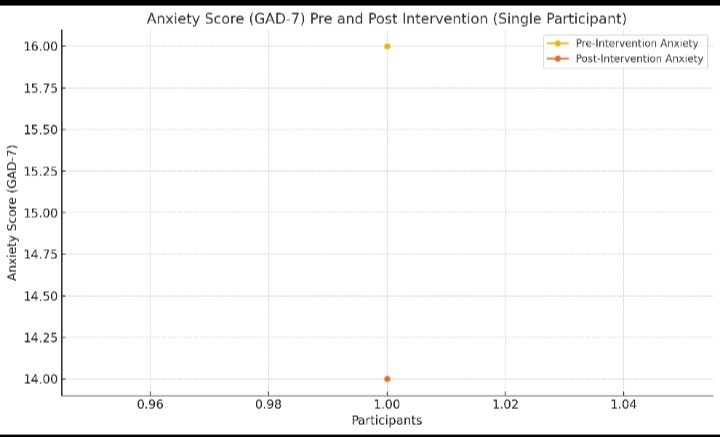
Figure 1: Pre and Post Intervention using GAD-7
Pre-Intervention Score: The participant’s baseline anxiety score was 16, indicating moderate anxiety.
Post-Intervention Score: After three months of substituting palm leaf sugar, her anxiety score decreased to 14, reflecting a 12.5% reduction in anxiety.
Pteronophobia Severity Scale (PSS):
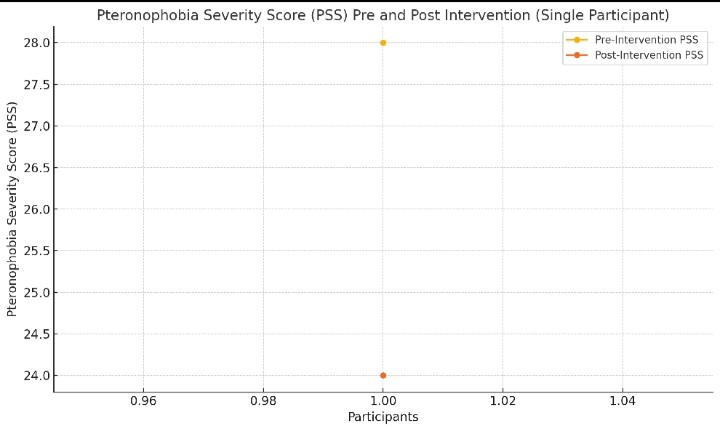
Figure 2: Pre and Post Intervention using PSS
Pre-Intervention Score: The participant’s baseline score on the PSS was 28, indicating high anxiety and distress related to her phobia.
Post-Intervention Score: After the intervention, her PSS score decreased to 24, showing a 14.3% reduction in the severity of her Pteronophobia.
These results suggest that substituting palm leaf sugar for white sugar had a positive impact on both anxiety and Pteronophobia severity.
DISCUSSION
Interpretation of Results
The observed reduction in anxiety and Pteronophobia severity suggests that palm leaf sugar could have a therapeutic effect on anxiety and phobic responses. The lower glycemic index of palm leaf sugar is likely to prevent the rapid fluctuations in blood sugar levels associated with white sugar, which could contribute to anxiety and stress [7]. In addition, the minerals in palm leaf sugar, such as magnesium and potassium, are known to have calming effects on the nervous system, potentially contributing to reduced anxiety [10].
Mechanisms of Action
The anxiolytic effects observed in this case study could be explained by two primary mechanisms:
Blood Sugar Stabilization: Palm leaf sugar’s lower glycemic index helps to stabilize blood glucose levels, preventing the rapid insulin spikes that are linked to mood swings and anxiety [5].
Nutritional Support for the Nervous System: The minerals in palm leaf sugar, particularly magnesium and potassium, are vital for maintaining nerve function and managing stress responses. Magnesium, for example, has been shown to improve mood and reduce symptoms of anxiety [6].
Implications for Women’s Health
This case study suggests that dietary modifications may offer a valuable addition to traditional treatments for anxiety and phobias, especially for women, who are more vulnerable to these conditions [4]. Palm leaf sugar could be a healthier alternative for those looking to reduce their intake of refined sugars while still satisfying their sweet cravings, particularly for individuals with specific phobias or generalized anxiety.
Future Research
The promising results from this case study should be confirmed with larger, randomized controlled trials. Future research should also explore the long-term effects of palm leaf sugar consumption on anxiety and phobias, as well as the potential biochemical mechanisms behind its effects.
CONCLUSION
This case study suggests that substituting palm leaf sugar for white sugar may have a positive impact on reducing anxiety and alleviating Pteronophobia symptoms. The findings underscore the potential of dietary changes as a complementary approach to managing mental health, particularly for women with anxiety disorders. Further research with larger sample sizes and controlled designs is needed to validate these results.
In Islam, the concept of “halal” and “tayyib” is paramount, which means that not only should the food be permissible (halal), but it should also be pure, wholesome, and beneficial to one’s health (tayyib). Palm leaf sugar, being a natural, unrefined product, aligns with these values more closely than refined white sugar, which is often associated with health risks such as obesity, diabetes, and metabolic disorders. Using palm leaf sugar could therefore be seen as a healthier, more permissible choice, supporting both physical health and fulfilling the spiritual teachings of consuming beneficial and pure sustenance.
Islamic teachings also stress the importance of self-care and maintaining good health, as the Prophet Muhammad (PBUH) said, "Your body has a right over you" (Sahih Bukhari). In this case, substituting harmful substances (such as white sugar, which has been linked to several health issues) with more nutritious, natural alternatives like palm leaf sugar aligns with Islamic principles of taking care of one’s body and avoiding harm.
Furthermore, Islam encourages patience and trust in Allah’s plan when dealing with difficulties, including health challenges. For the patient suffering from Pteronophobia, which stems from trauma, turning to natural alternatives like palm leaf sugar can be viewed as a way to nurture both the body and mind, in line with Islamic teachings of seeking healing and trusting in divine wisdom for recovery.
Finally, gratitude for the sustenance provided by Allah SWT is also a key concept in Islam. By opting for healthier alternatives, one not only adheres to Islamic dietary laws but also expresses gratitude for the natural resources available, such as palm trees, which are often underutilized in many parts of the world. This approach aligns with the concept of sustainable living and mindfulness of Allah’s blessings. In conclusion, integrating palm leaf sugar as a substitute for white sugar in this case is in harmony with Islamic teachings on maintaining a balanced, healthy lifestyle, seeking nourishment that is both spiritually and physically beneficial, and trusting in Allah’s guidance in all aspects of health and well-being.
ACKNOWLEDGEMENT
Alhamdulillah and Subhanallah, all praise is due to Allah SWT, and may blessings and peace be upon Prophet Isa (AS) and his followers who will accompany him in the end times. We express our deepest gratitude to saint Claudia wife of Pontius Pilatus a.k.a Yair for providing valuable inspiration regarding my phobia therapy. May Allah SWT bless him with goodness and mercy.
REFERENCES
- Chandramouli C, Kumar S, & Rajendran S. (2019). Sugar consumption and mental health: Implications for anxiety and depression. Journal of Nutritional Psychiatry, 27(2):123-130.
- Kowalski MA, Johnson K, & Lee Y. (2018). Palm leaf sugar as a healthy alternative: Nutritional benefits and applications in health management. Food Science & Nutrition, 56(7):701-708.
- MacDonald IA. A review of recent evidence relating to sugars, insulin resistance and diabetes. European journal of nutrition. 2016;55(Suppl 2):17-23. [Crossref] [Google Scholar] [Pubmed]
- Center for Substance Abuse Treatment. A Review of the Literature. Trauma-Informed Care in Behavioral Health Services. 2014. [Google Scholar] [Pubmed]
- Freeman CR, Zehra A, Ramirez V, Wiers CE, Volkow ND, Wang GJ. Impact of sugar on the body, brain, and behavior. Frontiers in bioscience (Landmark edition). 2018 Jun 1;23(12):2255-66. [Crossref] [Google Scholar] [Pubmed]
- Johansson E, Birgitta B, & Olofsson M. (2016). Effect of sugar alternatives on mood: A systematic review. Journal of Clinical Nutrition, 104(3), 301-309.
- Lustig RH, Schmidt LA, Brindis CD. The toxic truth about sugar. Nature. 2012 Feb 2;482(7383):27-9. [Crossref] [Google Scholar] [Pubmed]
- Burrows T, Teasdale S, Rocks T, Whatnall M, Schindlmayr J,al. Effectiveness of dietary interventions in mental health treatment: A rapid review of reviews. Nutrition & Dietetics. 2022;79(3):279-90. [Crossref] [Google Scholar] [Pubmed]
- Sarkar T, Mukherjee M, Roy S, Chakraborty R. Palm sap sugar an unconventional source of sugar exploration for bioactive compounds and its role on functional food development. Heliyon. 2023 Apr 1;9(4). [Crossref] [Google Scholar] [Pubmed]
- Arshad S, Rehman T, Saif S, Rajoka MS, Ranjha MM,al. Replacement of refined sugar by natural sweeteners: focus on potential health benefits. Heliyon. 2022 Sep 1;8(9). [Crossref] [Google Scholar] [Pubmed]