open access
Journal of Dermatology and Psycho-dermatology

Peer-Reviewed Bi-Annual (Two issues per year)
×

Contact Emails

dermatology@globalmeetx.net
support@globalmeetx.com
editorial@globalmeetx.com
finance@globalmeetx.com

Article Processing Timeline

2-7 Days
Initial Quality & Plagiarism Check
15 Days
Peer Review Feedback
80-85%
Acceptance Rate (after peer review)
30-45 Days
Total article processing time

About the Journal

Overview

The Journal of Dermatology and Psycho-dermatology (JDPD) is an internationally recognized, peer-reviewed, open-access scholarly journal specializing in the area of dermatology and mental health. The journal examines the complex and interrelated issues concerning skin conditions and mental, emotional and/or psychological disorders. JDPD offers dermatologists, psychiatrists, psychologists, neuroscientists, and other healthcare professionals involved in skin conditions the opportunity to engage in and share original research, clinical documentation, and novel treatment techniques. The journal seeks to foster an integrated approach to healthcare that is patient-centered and considers the biological, psychological, and social aspects of health and disease related to the skin.

Aim and Scope

The Journal of Dermatology and Psycho-Dermatology (JDPD) publish original research articles, review papers, short communications, case reports, and clinical perspectives that examine the scientific, clinical, and psychosocial dimensions of skin health and disease. The journal serves as a multidisciplinary platform addressing the interaction between dermatological conditions and psychological, psychiatric, and behavioral factors.

The journal welcomes submissions covering a broad range of specialized and interdisciplinary areas, including but not limited to:

Psycho-Dermatological Disorders & Psychocutaneous Medicine

Classifying, diagnosing, and managing psychodermatological conditions and primary psychodermatologic disorders, secondary psychodermatological disorders with chronic dermatologic conditions, somatoform disorders, and psychodermatologic delusions.

Psychological Stress, Emotions, & Skin Diseases

While under stress, people suffer many consequences involving their emotional/mental state, such as feelings such as anxiety, depression, or trauma, or their overall well-being. Skin conditions are exacerbated or made worse while under stress, and the stress can be from many, different situations. Skin conditions can also be due to a person having a chronic inflammatory disease or to a person with chronic skin conditions already. The skin also can affect the mental or emotional state of a person with chronic skin conditions. The mental, emotional, and physical stresses combined can be the disease the person is dealing with. These combined stresses can also be used as a mechanism to deal with/cope with the disease, such as trying to build up certain resilience.

Neuro-Immuno-Cutaneous Interactions

Mechanisms of neurocutaneous signaling, neurotransmitters, neuropeptides, and immune mediators in dermal pathology, Psychoneuroimmunology of inflammatory and autoimmune skin disorders, Neuroscience and dermatology translational studies.

Clinical Dermatology and Psychiatric Comorbidities

Psychiatric comorbidities in psoriasis, eczema, acne, vitiligo, alopecia, and chronic urticaria, Impact of visible skin disorders on mental health and social functioning, Screening, assessment, and integrated management strategies, , Multidisciplinary clinical care models.

Behavioral Dermatology and Habit-Related Skin Conditions

Trichotillomania, skin-picking disorder, nail-biting and compulsive disorders, Body-focused repetitive behaviors and disorders of impulse control, Strategies of cognitive and behavioral interventions, Outcomes of patient education and adherence.

Therapeutic Approaches in Psycho-Dermatology

Engagement in counseling services in combination with therapeutic and mindfulness-based counseling, Enhancement roles of medications in skin problems, Multi-focal and all-inclusive methods, evaluating patient-centered outcome measures and assessing quality of life.

Pediatric, Geriatric, and Special Population Psycho-Dermatology

The Psyche in child and adolescent dermatologic disorders, dermatologic disorders in aging, mental health and the outlook of the elderly, psycho-dermatologic medical conditions of the elderly. Ethnicity, culture, and gender in psycho-dermatology. Ethical issues and stigma of dermatologic disorders.

Interdisciplinary, Translational, and Applied Research

Looking at clinically applied psycho-dermatology and basic science Translational research, public health perspectives on skin and mental health, Digital health tools, tele-dermatology, and AI-assisted psychosocial assessment, Policy, education, and ethical issues in dermatology and mental health care.

Editorial and Peer-Review Policy

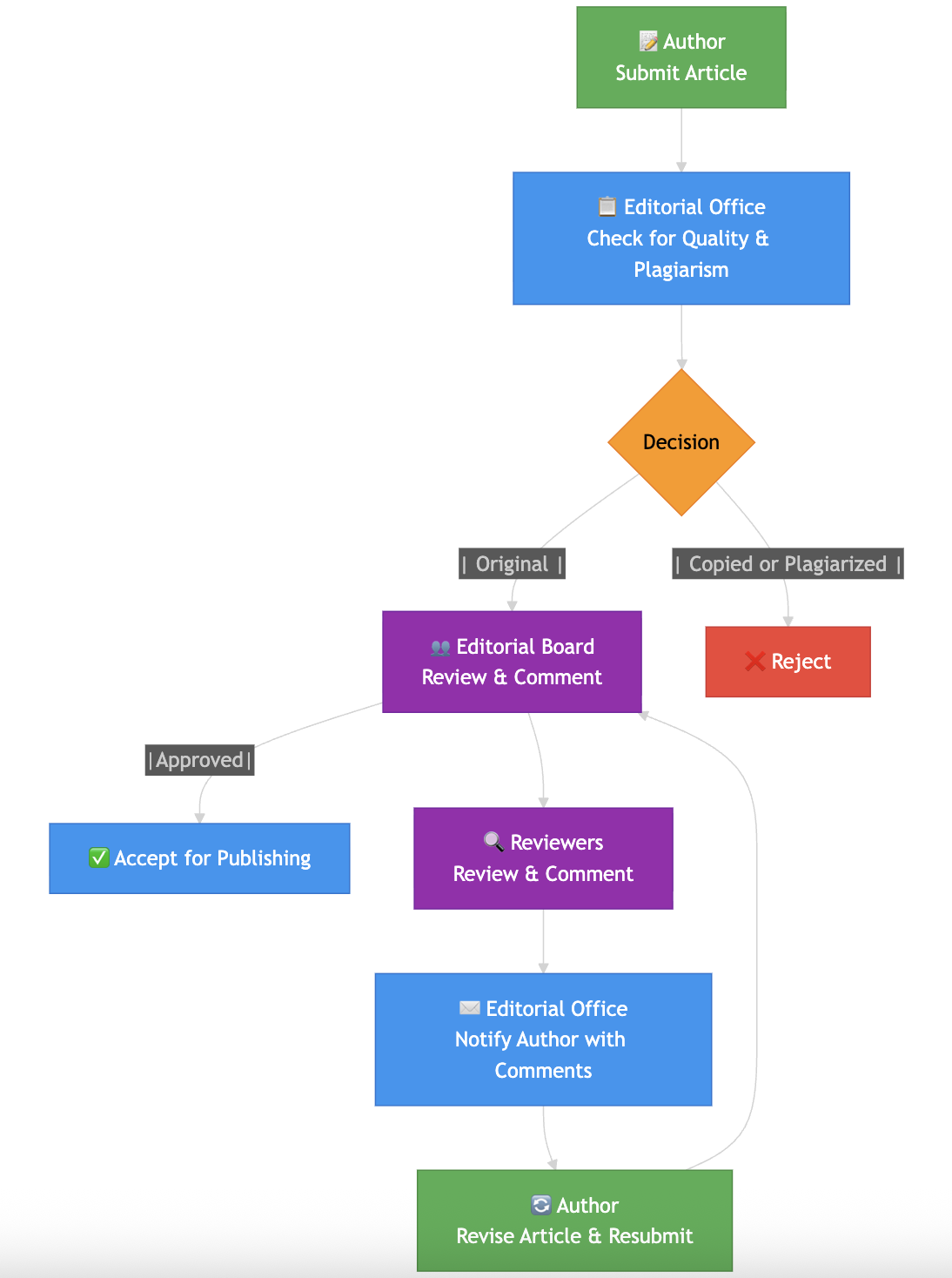
Journal of Dermatology and Psycho-dermatology adheres to a strict single-blind peer-review process to maintain the quality, integrity, and scientific validity of all published work.

Key features include:

  • Each manuscript is reviewed by at least two independent experts in the field, along with an academic editor.
  • Reviewers know who the authors are, but the authors remain unaware of the reviewer's identities.
  • The evaluations emphasize scientific merit, originality, methodological rigor, ethical compliance, and how well the work fits within the journal's scope.
  • Every submission goes through plagiarism checks and ethical compliance assessments before the review process begins.
  • The final decision on publication is based on the reviewer's recommendations and the editor's evaluation.

Publication Frequency & Format

This journal comes out Bi-Annual (Two issues per year). Accepted articles are made available online in both HTML and PDF formats, ensuring that scholarly work is accessible and disseminated promptly.

Open Access Policy

Journal of Dermatology and Psycho-dermatology operates under a fully open access model. This means all published content is freely accessible to readers around the globe, without any subscription or paywall. Authors maintain the copyright to their work, and the content is shared under an appropriate open-access license.

Indexing & Archiving

Journal of Dermatology and Psycho-dermatology is dedicated to upholding high standards with the goal of being included in reputable scientific indexing and abstracting services. The journal also ensures long-term digital preservation through recognized archives and repositories, guaranteeing permanent access and discoverability.

Manuscript Submission

Authors are encouraged to submit their manuscripts through the journal's Online Submission System (Submit Manuscript) or by emailing them directly to the Editorial Office at support@globalmeetx.com.

Manuscripts must adhere to the journal's author guidelines regarding structure, formatting, referencing style, ethical approvals, and necessary disclosures (such as conflicts of interest and funding).

Publication Ethics & Integrity

Journal of Dermatology and Psycho-dermatology follows internationally recognized standards for publication ethics and research integrity, which include (but are not limited to):

  • Make sure you have ethical approval.
  • Ensure informed consent and guarantee confidentiality.
  • Declare any conflicts of interest.
  • Be transparent about data availability.
  • Clarify authorship criteria and the roles of contributors.
  • Conduct anti-plagiarism checks.
  • Have a clear policy for retraction and correction.

JOURNAL PARTICULARS

Title Journal of Dermatology and Psycho-dermatology
Frequency Bi-Annual (Two issues per year)
ISSN Coming Soon
Publisher Name Globalmeetx Publishing
Publisher Address Radha Residency, 4th Floor, Sai Priya Gardens, Madhurawada, Visakhapatnam, 530041, Andhra Pradesh, India
Starting Year 2026
Subject Medical Sciences
Language English
Publication Format Online
Email support@globalmeetx.com
Mobile No (+91) 9177731784

Current Issue Highlights

Coming soon

Journals Indexed In

Google Scholar ResearchBib Sindexs OAJI

Submit Manuscript

Submit manuscript at Online Submission System or send as an e-mail attachment to the Editorial Office at support@globalmeetx.com

Peer Review Process